
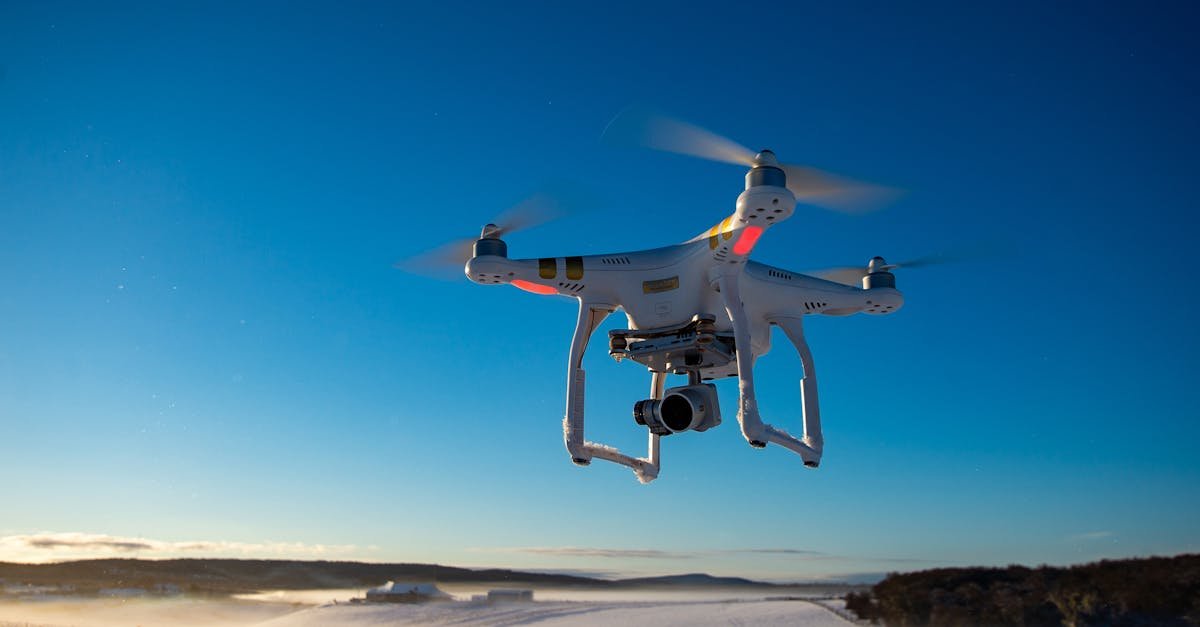




Cold Star Drill Tests Drone and Counter-Drone Tech
In Madhya Pradesh this October, India will stage Exercise Cold Star to evaluate the performance of both drones and counter-UAS technologies across the three armed services. The drill, led by the Headquarters Integrated Defence Staff, aims to move beyond isolated lab tests by validating sensors, shooters, and decision making in joint, border-to-battlefield scenarios. The exercise underscores a broader push toward drone defense testing that bridges research, procurement, and real-time operations.
Recent Trends
- Growing emphasis on inter-service collaboration in defense tech
- Rising investments in counter-UAS systems globally
- Industry-university-government partnerships accelerate drone security solutions
Taking place in the central Indian state from October 6 to 10, Cold Star is designed to weave together capabilities from across services, including air, land, and naval components where relevant. Senior officials from the defense establishment describe the drill as a proving ground for drone defense testing that emphasizes interoperability among radars, electronic warfare tools, data links, and command-and-control architectures. The event also spotlights stronger ties with industry partners, research institutions, and academia as part of a national strategy to accelerate usable, field-ready solutions.
Speaking at a recent air defense systems conference, Air Marshal Rakesh Sinha, Deputy Chief of Integrated Defence Staff (Operations), highlighted the lessons from Operation Sindoor and stressed the importance of staying ahead in military strategy and planning. The emphasis is not merely on technology for its own sake, but on how new drones and countermeasures integrate into multi-domain operations where timing, sensing, and decision speed can define outcomes. For defense planners, the message was unmistakable: invest in coordinated drone defense testing that pairs advanced sensors with rapid, joint decision-making capabilities.
Participants will span the three services, with industry partners, R&D entities, and academic institutions contributing to live demonstrations and simulated scenarios. The format seeks to validate how well a layered defense can detect, track, and deter both friendly and hostile aerial platforms while preserving civil aviation safety and minimizing collateral effects. This approach reflects a broader market trend toward Rapid Integrated Defense Testing, where pilots can push the boundaries of sensor fusion, autonomy, and engagement workflows under realistic conditions.
Operational Focus
Cold Star will simulate a spectrum of tasks from early detection to deliberate engagement. Key focal points include sensor fusion across multiple domains, robust command and control that can withstand contested environments, and the reliability of counter-UAS tools under cluttered radio-frequency and GPS-denied conditions. The drill will also explore the practicality of both software-centric countermeasures such as geofencing and RF jamming, and kinetic options when required. The net effect is a more mature ecosystem around drone defense testing, where hardware, software, and policy interact to deliver defendable outcomes in real time.
Policy, Industry, and Market Implications
For industry participants, Cold Star signals a growing appetite for proven, field-certified counter-UAS solutions and secure, scalable integration with existing air defense networks. The exercise also spotlights the need for clear procurement pathways, standardized testing protocols, and robust public-private partnerships that can sustain technology maturation from lab concepts to battlefield-ready systems. From a policy vantage, the drill aligns with international momentum on counter-drone governance, data security standards, and cross-border cooperation in security technology development. As drone defense testing moves from a niche capability to a core military priority, operators and suppliers will increasingly align around interoperable architectures, common data standards, and shared threat intelligence feeds.
Conclusion
Exercise Cold Star embodies a pivotal shift in the way defense forces evaluate and deploy drone and counter-drone technologies. By weaving together inter-service cooperation, industry partnerships, and research ecosystems, India signals that drone defense testing is no longer a theoretical exercise but a practical, ongoing program of modernization. The drill will likely shape procurement priorities, influence global industry benchmarks, and set the tempo for future multi-domain security operations. For readers across civil, military, and policy circles, the takeaway is clear: the race to secure airspace is accelerating, and success will hinge on integrated, field-proven solutions that can adapt as swiftly as the threats evolve.

















