
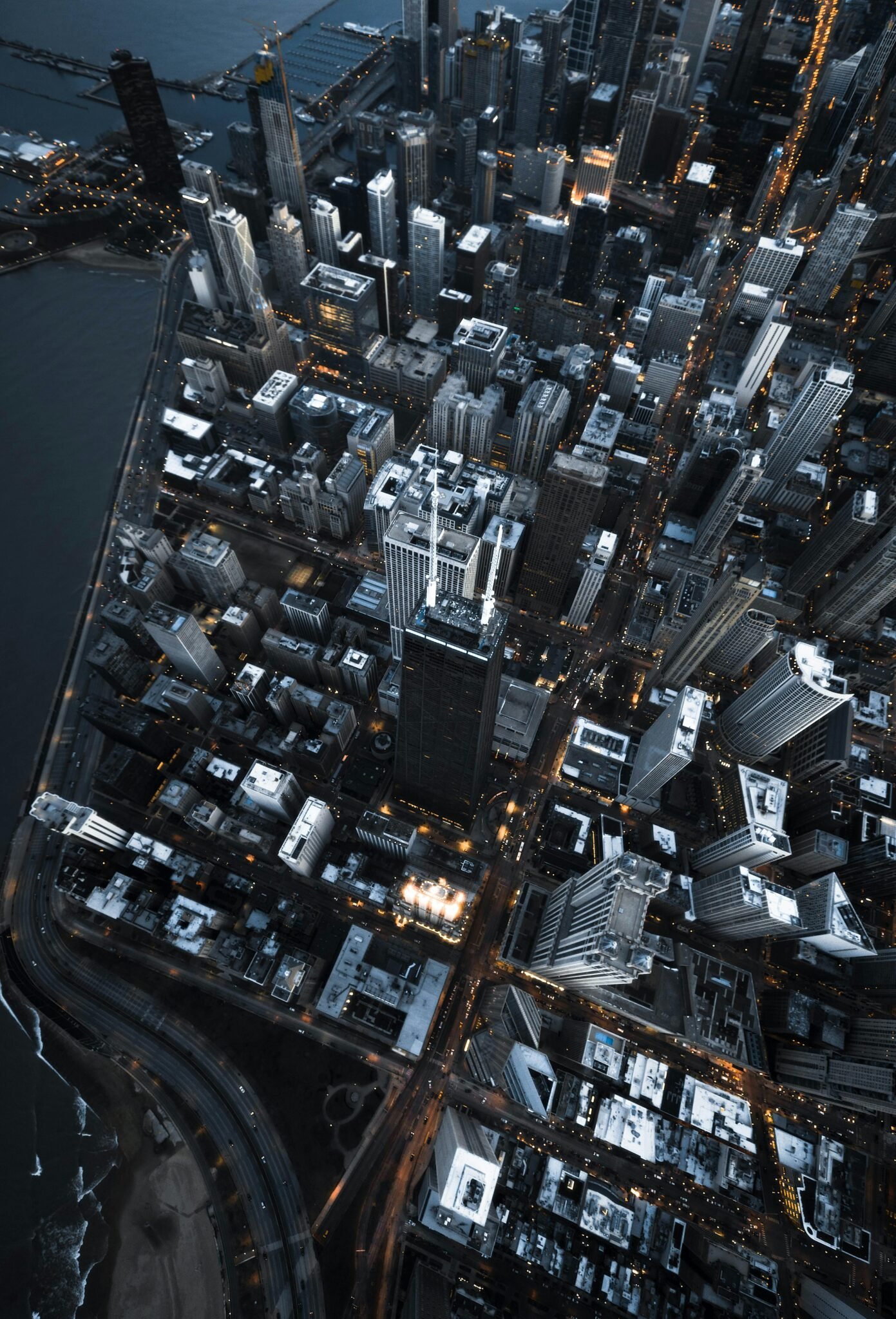




A sudden airspace clampdown over Chicago is sending ripples through the drone community. As authorities tie the move to public safety amid a crackdown on immigration enforcement, operators face new limits that could affect inspections, deliveries, and routine flights. The developments underscore how quickly regulatory risk can shift for commercial drone work in major metropolitan areas.
Recent Trends
- Rising airspace restrictions by authorities
- Increased CBP-FAA coordination on drone policy
- Growth in drone detection and geofencing tech
U.S. Customs and Border Protection says it requested sweeping restrictions on drone usage within the Chicago area because of a ‘credible threat of small, unmanned aircraft systems being used against law enforcement.’ The agency did not disclose specifics about the threat, leaving operators to navigate a landscape of evolving compliance requirements. This is a developing story that speaks to a broader shift in how airspace is managed in and around sensitive missions.
What triggered the restrictions
The central trigger cited by CBP is a credible threat against law enforcement tied to immigration enforcement actions. While officials have not released details or locations, the implication is clear: authorities want buffers around critical corridors and facilities. For drone operators, that means a tighter, sometimes patchwork set of flight rules rather than a single, citywide ban. The exact scope of the restrictions is still being clarified, but the signal is tangible: Chicago‑area airspace is moving toward greater control during sensitive operations.
Implications for operators
- Monitor NOTAMs and local advisories continuously. Temporary flight restrictions can appear with little advance notice.
- Geofenced areas around government facilities and immigration enforcement checkpoints may be more aggressive, affecting routine maintenance flights, inspections, and deliveries.
- Operators should reassess risk management plans, equipment readiness, and insurance coverage in light of tighter airspace controls.
- Ground-based detection and remote ID systems may play a larger role in demonstrating compliant operations in urban environments.
- Consider alternative methods for time-sensitive operations, such as using manned aircraft or coordinating with local authorities for sanctioned missions.
Beyond the operational impact, the shift nudges the market toward more proactive airspace awareness tools. Operators who previously relied on broad, generic flight planning must now factor in rapidly changing regulatory overlays and potential enforcement actions. For readers in the drone services sector, the message is simple: adapt quickly or be sidelined when the airspace tightens around security-driven actions.
According to Chicago Tribune reporting republished by Biztoc, the restrictions reflect a broader pattern of authorities leveraging security concerns to tighten drone access during sensitive operations. This attribution follows early coverage that highlighted the threat narrative while leaving many practical details unsettled for operators.
Policy and industry context
These restrictions sit at the intersection of national policy and local enforcement. The FAA has long encouraged a risk-based approach to drone operations, but in practice users must navigate a patchwork of federal, state, and police advisories. In recent years, incidents near critical events and sensitive infrastructure have accelerated the adoption of temporary flight zones and heightened geofencing. The Chicago case fits a broader trend where security-driven concerns drive airspace controls, even as innovations in detection, remote identification, and data-sharing ecosystems promise clearer, faster clearance in the future.
For operators, this development is a reminder that urban airspace is not a static asset. It evolves with security agendas, political context, and real-time incidents. Companies serving construction, utilities, or logistics in metro areas should build regular airspace risk reviews into project planning and bid scoping. Partnerships with public agencies and constant compliance training will be differentiators in a market where access can be time-bound and location-specific.
What it means for policy and industry
The Chicago episode could foreshadow a more prescriptive approach to drone airspace in other major cities. If credibility of threats is used to justify expanded controls, expect more proactive publishing of restricted zones and faster deployment of risk-based routing in commercial platforms. The industry will likely respond with stronger emphasis on remote ID compliance, smarter geofencing, and more robust emergency response coordination with law enforcement. In the near term, operators should expect more frequent updates to airspace rules and increased documentation requirements for missions near sensitive areas.
For defense planners and policy analysts, the takeaway is clear: airspace governance is tightening in ways that could shape international norms as other jurisdictions weigh similar security concerns. The Chicago situation illustrates how national security narratives can translate into practical constraints that alter everyday drone operations for businesses and public agencies alike.
Conclusion
The Chicago drone restrictions are a real-time test of how authorities balance public safety with the growing role of drones in urban operations. While details remain scarce, the move signals a trend toward tighter, more localized airspace controls around sensitive enforcement activities. Operators should treat this as a calendar item rather than an anomaly: plan for rapid changes, prioritize compliance tools, and stay connected with regulators and public agencies to navigate the evolving airspace landscape.

















