
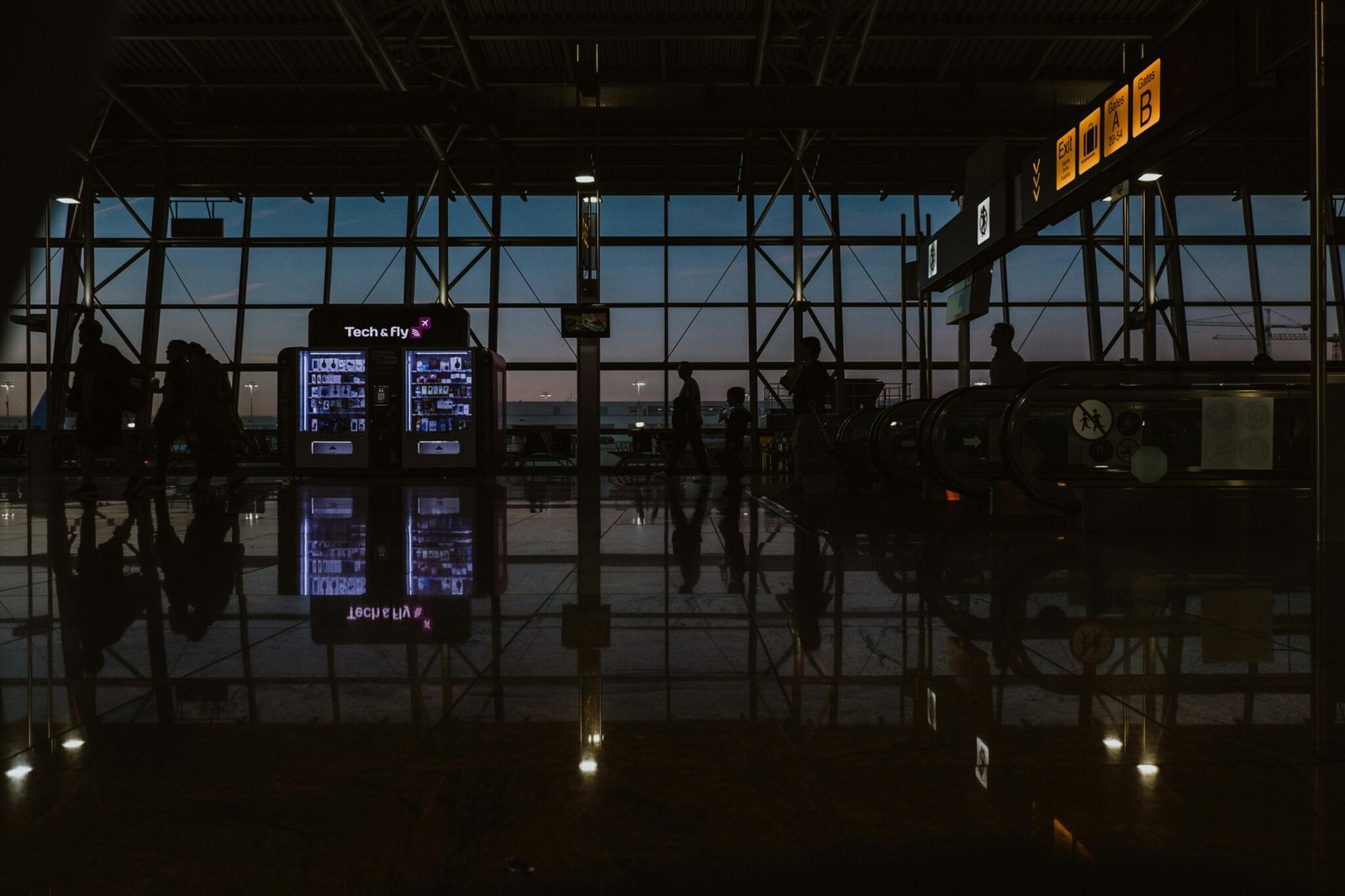




Brussels woke to a drone-related disruption as the city’s main hub paused flights and rerouted operations to keep travelers safe. In the hours after the sightings, roughly 80 flights were canceled or delayed, and 400 to 500 passengers spent the night on site or in nearby hotels. The stoppage illustrates how vulnerable air traffic can be to aerial intrusions near critical infrastructure, even when authorities suspect non-technical causes such as weather or misidentified objects.
Recent Trends
- Airports expand drone detection and rapid-response protocols
- Regulators push standardized counter-drone rules
- Investments in security tech accelerate as air travel resilience gains prominence
Brussels Airport Drone Incident: Security and Resilience Tested
What happened and immediate impact
The incident forced the suspension of numerous flights as authorities assessed the risk and cleared airspace. A spokesperson indicated that normal operations were expected to resume by Wednesday, reflecting a rapid return-to-service mindset. The disruption rippled through crew rosters and passenger itineraries, underscoring how even a single drone sighting can cascade through an entire network of connections.
According to Euractiv, the spokeswoman said operations would resume on Wednesday after the sightings prompted the pause. The decision to halt departures and landings was part of a precautionary approach to ensure safety before reopening runways.
For the brussels airport drone episode, the immediate priority was safety, but the episode also highlighted how quickly a security event can become a financial and logistical challenge for an international hub.
Why this matters for the industry
The brussels airport drone event emphasizes a growing tension in aviation: the need to protect critical infrastructure without crippling commerce. Drone technology offers significant benefits for inspection, logistics, and security, yet misused or misidentified unmanned aircraft can close airports, trigger passenger disruption, and strain air traffic control systems. Airports are increasingly layering detection, verification, and response tools to distinguish real threats from misperceptions and harmless operations. This incident becomes a reference point for resilience planning at major hubs worldwide.
Tech and policy context
Industry observers see this as a catalyst for broader adoption of counter-drone measures. Tools like radar, RF sensors, and EO/IR cameras are moving from pilot projects to standard components of airport security architectures. The brussels airport drone episode also feeds into regulatory discussions about how to balance safe skies with the legitimate use of drones in commercial and civil applications. In Europe, regulators are pushing toward harmonized standards that can reduce response times and minimize unnecessary flight disruptions during incidents.
What to watch next
Expect a push for more robust incident drills, clearer incident reporting, and faster communications with passengers during security events. Airlines and airports will likely accelerate investments in detection networks, data analytics for post-event learning, and cross-agency coordination. For operators, the lesson is simple: resilience means readiness, not just response.
FAQs
- Are drones banned near airports?
- Most jurisdictions prohibit flying within specified radii of airports and require authorization for operations in controlled airspace.
- What technologies detect drones?
- Radar, RF detectors, electro-optical/infrared cameras, and acoustic sensors are common. Some systems integrate with air traffic control to hold flights if needed.
- Will this affect future schedules at Brussels or other hubs?
- Disruptions can lead to updated security playbooks and drills; schedules typically normalize once airspace is verified safe.
Conclusion
The Brussels incident shows how quickly drone-related risks can pause travel, yet it also demonstrates the industry’s capacity to rebound with disciplined safety protocols and rapid restoration of service. The takeaway for defense planners, policymakers, and operators is clear: layered detection, swift decision-making, and transparent communication are essential to keeping air travel safe and reliable in a world where drones are ubiquitous.

















