
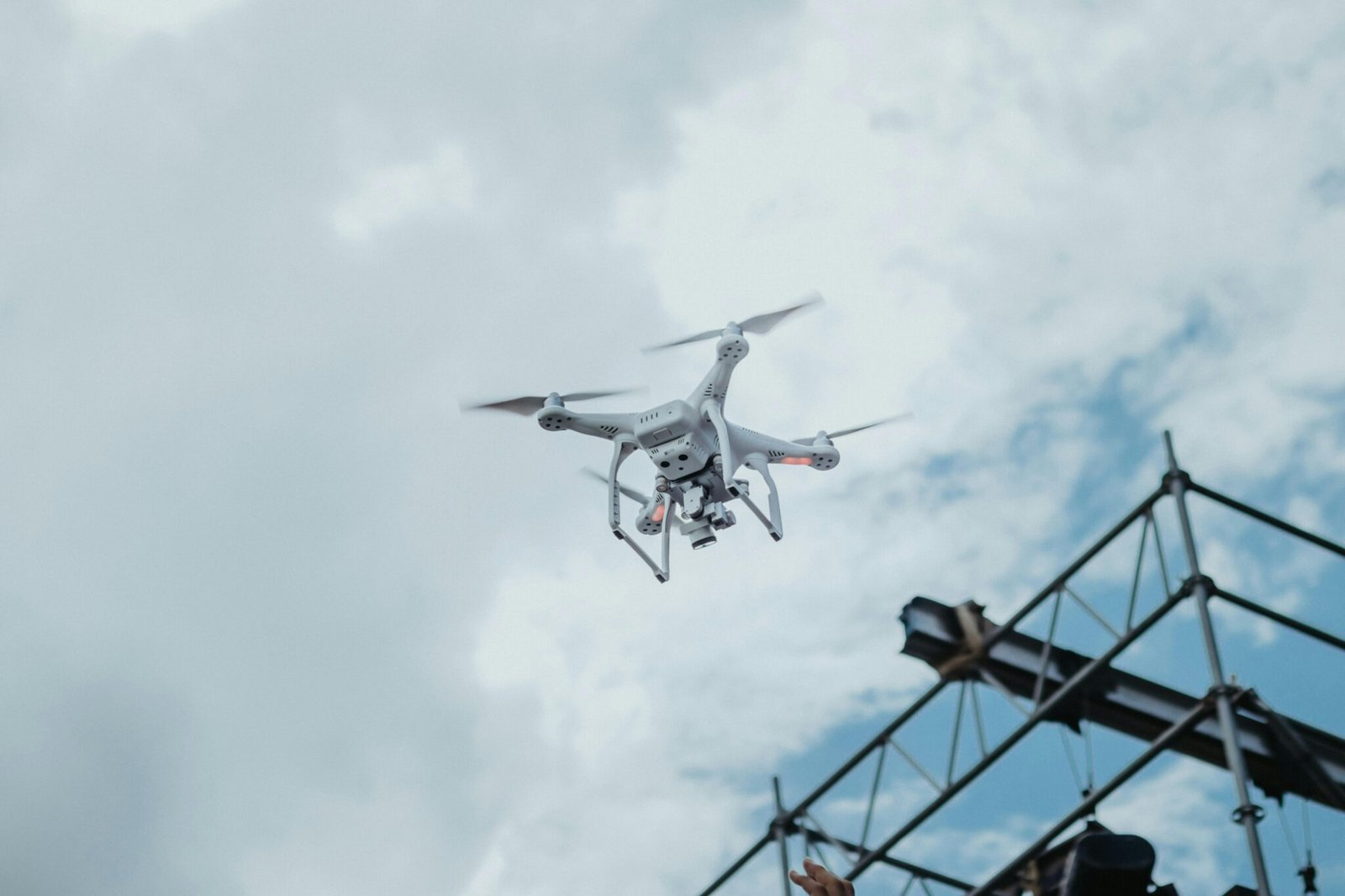




A spate of unauthorized drone flights over Belgian skies has jolted regulators and operators alike, underscoring gaps in real-time monitoring. The incidents have accelerated a plan to upgrade how the air is watched and how drone traffic is managed across key corridors.
Recent Trends
- Growing EU harmonization of UTM standards
- Increased use of geofencing by regulators
- Real-time airspace data sharing between agencies
Airspace surveillance upgrades in Belgium
Belgian authorities are moving to expand detection capabilities, improve identification of unmanned aircraft, and broaden data-sharing with European partners. The goal is a more connected, real-time picture of who and what is in the sky, reducing the chance of close encounters with manned aircraft or critical infrastructure. In practice, this means more radar coverage, enhanced automatic identification, and faster dissemination of alerts to operators and air traffic control centers.
The plan also envisions closer alignment with EU standards for unmanned traffic management (UTM) and cross-border cooperation with institutions such as the European Union Aviation Safety Agency (EASA) and EUROCONTROL. Those platforms are increasingly central to how regulators balance innovation with safety as drone use expands beyond hobbyist flyers into logistics, public safety, and commercial inspection missions.
According to Reuters, the initiatives include faster processing of flight plans, tighter licensing for operators, and tougher penalties for non-compliance. The cross-border nature of drone operations means Belgium cannot act in isolation; the reforms are meant to harmonize rules with neighboring states and the broader European framework. For defense planners, the message is clear: expect a Sky that is more closely watched, with real-time data flowing across borders and agencies.
What this means for operators
- Stay on top of new flight-plans submissions and real-time airspace updates through UAS traffic management (UTM) feeds. Operators will need to adapt routing to dynamic restrictions and newly defined corridors.
- Invest in compliance tools and training to satisfy stricter licensing and remote identification requirements. This is especially important for commercial operators expanding into cross-border work.
- Use geofenced routes to avoid restricted zones around airports, critical infrastructure, and trial sites. Expect tighter enforcement for violations and clearer penalties.
- Monitor the evolving drone regulations europe landscape. A unified approach across the EU will streamline international operations but raise the bar for local operators.
Policy and technology implications
- EU-wide UTM standards become more integrated with national rules, reducing friction for cross-border flights and improving safety across skies.
- Regulators push for real-time data sharing between agencies and operators, accelerating response times to incidents and anomalies.
- Public-private collaboration grows as industry provides sensors, software, and analytics to support surveillance and decision-making.
- Rising emphasis on regulatory updates and continuous operator education to keep pace with evolving requirements and technology capabilities.
For operators, the takeaway is clear: stay compliant, stay informed, and plan routes with live airspace data in hand. In the Belgian case, the emphasis on surveillance and traffic management illustrates a shift from ad hoc responses to proactive risk management. This is not just about punishment for missteps; it is about building a safer, more predictable airspace for both cargo drones and emergency responders.
reader-facing note: this trend matters for any business considering drone operations in Europe. A stronger regulatory backbone does not just restrict; it also opens doors to scalable, legally protected operations if you invest in proper systems.
Conclusion
Belgium’s move reflects a broader trend toward tighter, data-driven drone governance in Europe. As authorities expand airspace surveillance and UTM capabilities, operators must adapt to a more transparent and safer operating environment. The real payoff is clearer skies for compliant flights and a foundation for future growth in drone-enabled services across the continent.

















