
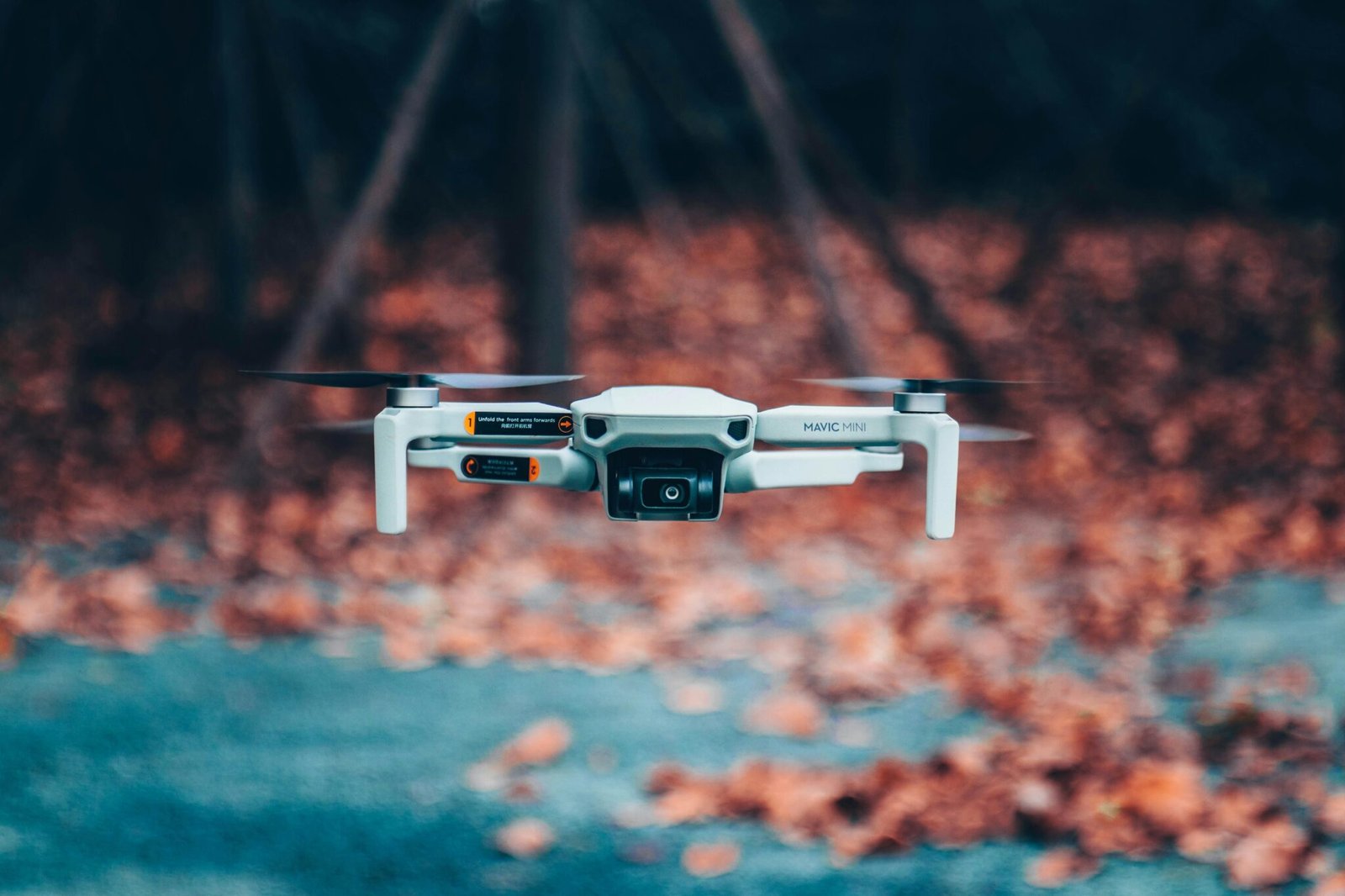




In Bengaluru’s dawn, a drone lifts off with quiet precision, a sign that autonomous flight is moving from lab benches to real-world missions. The scene is becoming familiar as startups and engineering teams push drones to operate with less human input, guided by sophisticated software rather than manual piloting. This shift is at the heart of a broader wave toward autonomous UAVs that can conduct inspections, deliveries, and critical reconnaissance with minimal on-site intervention.
Recent Trends
- Autonomous flight expands in civil sectors like inspection and logistics
- Indian deeptech firms push AI-enabled UAVs
- Regulatory pilots accelerate with industry players
Inferigence Quotient, a Bengaluru-based deeptech startup, is building an autonomous UAV platform with a modular AI stack that spans perception, planning, and control. The company emphasizes a configurable autonomy core so drones can be adapted quickly to different mission profiles—from industrial inspection to disaster response. In practical terms, that means a drone can sense its environment, decide on a safe flight path, and execute tasks with limited operator input, all while maintaining secure communications and robust fault tolerance.
The roadmap behind this approach centers on a few core pillars. First, a perception layer that fuses sensor data—cameras, lidar, and possibly radar—to form a reliable world model. Second, a planning and decision-making module that can generate flight strategies in real time, considering energy constraints, no-fly zones, and mission goals. Third, a control stack that keeps the aircraft stable under varying wind conditions and sensor noise. Fourth, a modular AI core that can be updated as drones learn from more missions, reducing the need for hand-tuning with every new use case. Finally, emphasis on safety and compliance, including secure command and data handling to meet civilian flight rules and, where applicable, defense standards.
According to StartupNews, Bengaluru-based Inferigence Quotient is pursuing a scalable platform that can serve multiple verticals without rebuilding the drone stack for each new customer. The emphasis on an open, composable autonomy layer is designed to shorten development cycles and accelerate time-to-market for new capabilities. For operators, that translates to faster field deployments and more predictable performance across diverse tasks. For defense planners, it signals a path to more capable, safer autonomous systems that can operate under limited supervision in complex environments.
For readers outside the startup scene, the underlying takeaway is simple: autonomous UAVs are moving from a niche capability to a reproducible business model. The growth hinge is not only the hardware airframe but the software brain that can adapt to real-world conditions. A modular autonomy stack lowers the barrier to entry for customers who need reliable, repeatable drone performance without building custom flight software from scratch. This trend is reinforced by broader investments in AI-enabled robotics across India’s tech hubs, with Bengaluru as a focal point for both engineering talent and collaboration between startups and research institutions.
As a practical example, consider how a civil infrastructure operator might use an autonomous UAV platform for bridge and tower inspections. The drone could autonomously plan flight lines that maximize coverage, capture standardized imagery, and upload data for rapid analysis. In parallel, emergency responders could rely on the same platform to map a disaster area, track changes over time, and coordinate subsequent missions with minimal human input. For defense applications, these capabilities could enable rapid assessment in contested or hard-to-reach zones, provided the system meets required security standards and mission approvals. For readers in the industry, the message is unmistakable: the demand for reliable autonomous flight is rising, and capable software stacks will determine which players win contracts and scale.
Readers should note a broader context: the push toward autonomous UAVs aligns with global trends in smart sensing, edge AI, and cloud-connected operations. It also intersects with regulatory evolutions that favor safe autonomous operation, incremental testing, and clear data handling rules. If you are a drone operator, supplier, or regulator, the implications are clear. Expect more off-the-shelf autonomy features, better mission-planning tools, and easier integration of AI modules into existing fleets. For defense and civilian users alike, the path forward is a combination of better perception, smarter planning, and a more resilient control system that keeps people out of harm’s way when possible. For readers, the core takeaway is practical: autonomy is becoming a purchasable capability—not just a research milestone.
In closing, Inferigence Quotient’s Bengaluru-based approach highlights how a focused deeptech hub can translate advanced AI into tangible flight capabilities. It also signals that the next wave of drones will be defined less by hardware innovation alone and more by software that lets machines reason, adapt, and act with confidence in the real world. For defense, logistics, and infrastructure alike, autonomous UAVs will reshape how missions are planned, executed, and evaluated in the months ahead.
Conclusion
The rise of autonomous UAVs is accelerating, powered by modular AI and smarter perception. Inferigence Quotient’s roadmap illustrates how a Bengaluru-based team aims to turn this technology into scalable, real-world solutions across civil and defense markets. Operators should watch for broader adoption of autonomous capabilities, tighter safety standards, and faster integration cycles as the drone software ecosystem matures.

















