
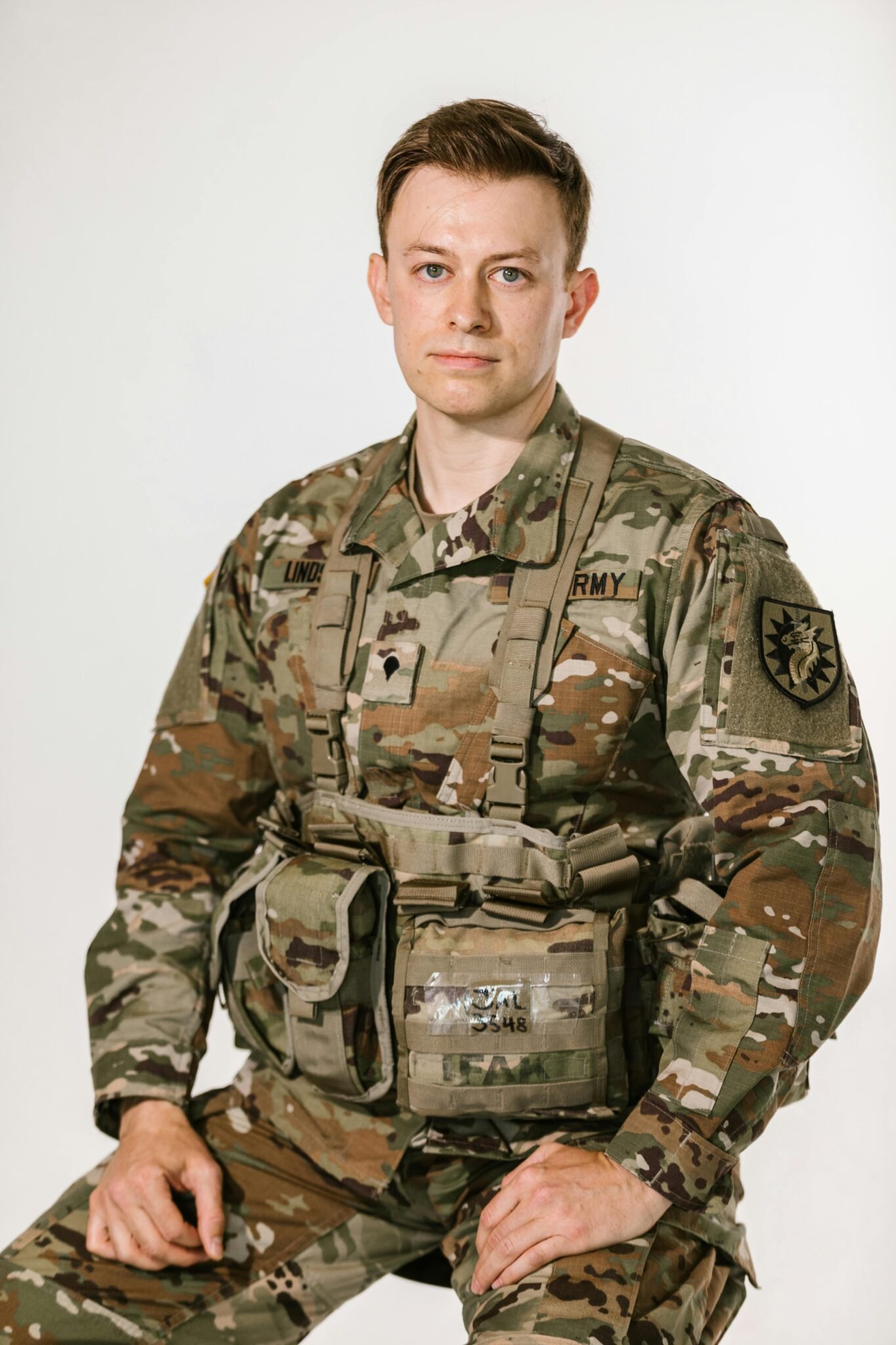




In a newsroom-wide buzz of drone buzz and battlefield lessons, the Army faces a far reaching question: should counter drone work be absorbed as a general skill or carved into a specialized Military Occupational Specialty, a CUAS MOS? The implications reach training curriculums, budgeting, and how fast the force can respond to evolving aerial threats that range from small quadcopters to coordinated drone swarms. The debate mirrors a broader push across modern militaries to codify high-tech tasks into dedicated career paths rather than leaving them as add-on duties for stressed units.
Recent Trends
- Specialized CUAS roles gain policy attention
- Training pipelines adapt to new defense MOS
- Interoperability between maneuver units and CUAS assets expands
Defense News highlights a central tension: dedicating resources to a specialized CUAS MOS could sharpen defensive operations for maneuver formations and keep enemy UAS from compromising unit positions. Capt. Peter Clifton, writing for the Army’s Air Defense Artillery Journal, argues that a CUAS MOS would allow frontline units to maneuver freely while dedicated specialists counter enemy UAS assets and ISR efforts. This idea is not merely academic. It is tied to real world exercises and observed gaps in how the Army trains to counter aerial threats under stress.
According to Defense News, the push for specialization aligns with a broader critique of current training. The Army has admitted that counter-drone training often lags behind maneuver and combined arms tactics, and reports from the Center for Army Lessons Learned show that exercises at the National Training Center tend to relegate C-UAS tasks to a secondary role. The result is a patchwork approach: soldiers might get a few hours on jammers or small arms air defense, but there is no consistent, standardized playbook when a drone swarm looms over a brigade headquarters.
To ground those observations in practice: at the National Training Center in Fort Irwin, California, soldiers are exposed to CUAS concepts in the course of live training, yet the emphasis remains on maneuver and live-fire exercises. A recent Army assessment notes the need for standardized tactical SOPs, refined battle drills, and dedicated planning personnel for counter-drone operations. The picture, then, is clear—without a formal MOS, C-UAS tasks compete with other duties and risk becoming ad hoc responses rather than repeatable, scalable operations.
Still, the counter-drone MOS proposal comes with trade-offs. A CUAS-focused track could yield deeper expertise, better integration with maneuver forces, and ongoing update cycles to reflect new drone technologies. A 2023 think tank study from the Center for Strategic and International Security warned that while specialists bring speed and precision, they could also create bottlenecks: only authorized operators would counter threats, potentially delaying responses if manpower is constrained. The math is simple: more training time means more budget, time away from primary MOS duties, and higher logistical costs. Readers across the industry might think: for defense planners, the message is unmistakable.
Beyond doctrine and budget, the concept has a human edge. Clifton argues that a CUAS MOS might also be a powerful recruiting tool, tapping into tech-savvy youths who feel comfortable with gaming-style interfaces. If recruits are already predisposed to systems like the Xbox controller, the learning curve could flatten, and cost per trainee could fall. The Army, in short, weighs not only capability but also the talent pipeline needed to sustain it over years of conflict and modernization.
In practice, the Army already uses a mix of devices and protocols to counter drones, from anti-drone jammers to small arms and ISR-aware tactics. The question is whether that mix should become a formal career path. A dedicated CUAS MOS would have three practical effects: it would institutionalize counter-drone training, it would enable more frequent drills and updates, and it would provide a clear career track for soldiers who want to specialize in air defense beyond the basics. The debate, in other words, is about how to balance speed, specialization, and manpower across a force that increasingly fights with, and against, unmanned systems.
To visualize the stakes, consider a recent training event at the National Training Center, where drone threats and jamming exercises intersect with live-fire scenarios. The scene underscores a larger point: counter-drone capabilities are not just a niche capability but a core component of modern mission assurance. If the Army formalizes the CUAS MOS, the service will need to design a curriculum that stays current with rapidly evolving drone tech, ensure there is the budget for ongoing training and equipment, and build a command and control architecture that avoids bottlenecks during surprise events. For defense planners, the conclusion is not simply about a new job title; it is about how to embed a resilient, scalable defense against air threats into every formation that moves on the battlefield.
What does this mean for the Army’s modernization timeline? It means a reexamination of risk versus reward, and a closer look at how training pipelines scale with demand. It means clarifying when a unit should call in CUAS specialists versus when it should expect its own soldiers to counter a threat through integrated air defense drills. It means rethinking how to measure readiness: is a unit ready if it can deter drones, or only if it can counter them quickly and decisively? The debate is ongoing, but one point is loud and clear: counter-drone expertise is moving from the periphery to the core of Army modernization and doctrine.
Conclusion
As the Army weighs a dedicated CUAS MOS, the Broad Army community watches closely. A formal specialty could accelerate the integration of drone defense into maneuver warfare, but it requires disciplined budgeting, updated SOPs, and a commitment to realistic, repeatable training. The outcome will shape how quickly the Army can adapt to a world where unmanned systems are not a novelty but a daily reality on the battlefield. In the end, the key question remains: can a specialized MOS deliver timely, scalable defense without compromising unit readiness and broader mission effectiveness?
What is a CUAS MOS?
A CUAS MOS would be a defined career path focused on counter-unmanned aerial system operations, including sensor fusion, electronic warfare techniques, and tactical integration with maneuver units.
Training and budget implications
Creating a CUAS MOS implies longer, more specialized training and higher ongoing costs, but could yield faster, more reliable responses to drone threats and improved interoperability with other air defense assets.

















