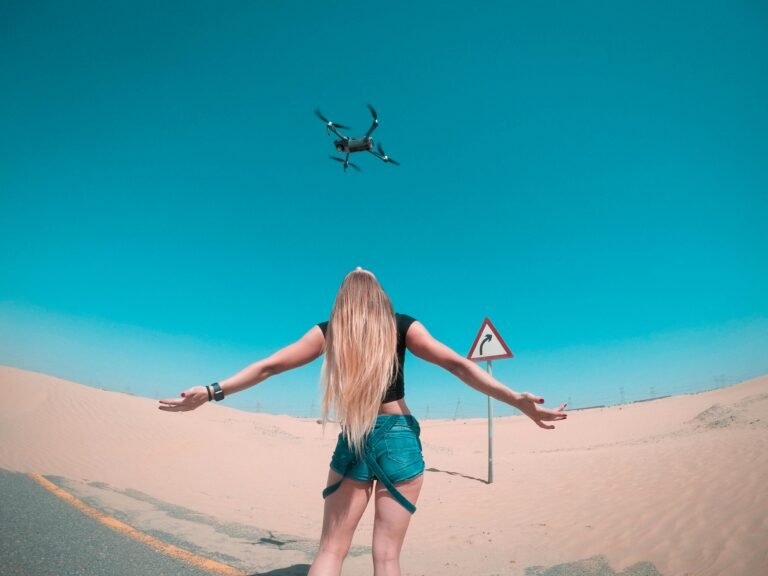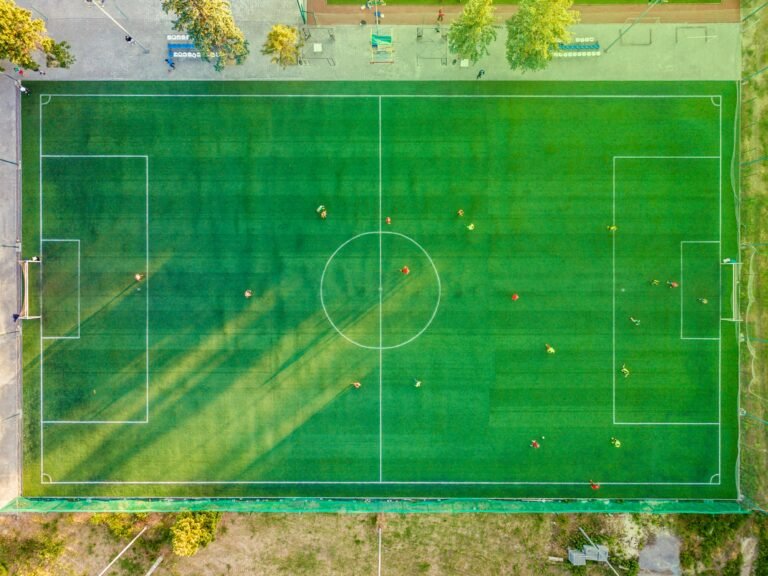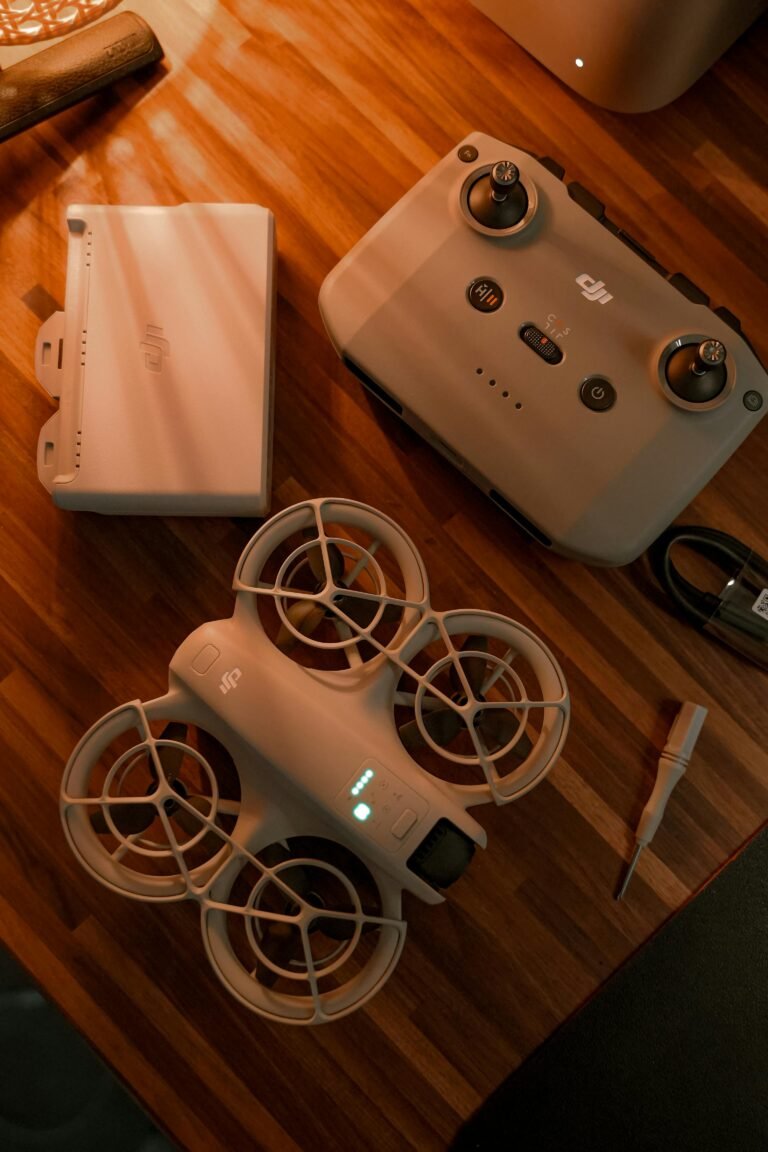
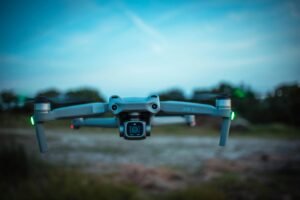


From live events to emergency response, aerial footage has always been about capturing more of the scene. The latest leap promises to redefine what a drone can show, not just where it flies. The Antigravity A1 is now available and touts the world’s first 8K 360-degree video capture. Operators can stitch footage as the drone circles a subject, offering a near-infinite panorama that used to require multiple passes.
Recent Trends
- Ultra high resolution aerial footage expanding the industry
- 360 degree imaging gains mainstream use in live broadcasts
- Drones push for more integrated onboard processing and AI stitching
8K 360 drone disrupts conventional framing with complete spherical capture
What makes the A1 a milestone is its ambition to deliver a truly immersive view without the need for external rigs. The claim is simple in concept: capture every angle at once, then present a stitched, cinema-grade panorama that professional crews can edit in real time. For practice, this means productions could sidestep complex multi-pass shoots and rely on a single flight to cover angles that would normally require multiple drones or heavy post-production work.
Industry observers will want to hear about the data challenge behind such capability. An 8K frame rate with full spherical coverage generates enormous amounts of footage. Operators will need robust storage, fast on-board processing, and high-bandwidth links to keep live feeds smooth. In the studio, this could translate into faster turnarounds for broadcast-ready cuts and more flexible framing decisions on set or on location.
According to PetaPixel, the A1 positions itself as a first-of-its-kind platform. That framing matters because it signals where the market could move: toward truly all-encompassing drone footage that reduces the need for multi-drone rigs and heavy stabilization systems. If accurate, the A1 could become a go-to tool for high-end sports broadcasts, large-scale live events, and cinematic shoots where coverage from every angle is critical. The technology also invites a broader ecosystem of services—advanced stitching software, cloud-based review, and optimized data pipelines for quick edits and delivery.
What makes the A1 different
At its core, the 8K 360 drone concept hinges on three pillars: image fidelity, complete spherical capture, and streamlined workflow. The A1 purports to balance these with a design that keeps the drone nimble enough for dynamic shots while delivering broadcast-grade image quality. For crews, the appeal lies in the simplicity: fewer flights, less logistics, and one file set to manage rather than dozens of separate takes. For readers new to this space, think of it as moving from a standard camera to a rig that can orbit a subject and capture a seamless, 360-degree canvas in true 8K resolution.
Use cases and deployment considerations
- Live sports and concerts where on-site angles matter as much as the main broadcast feed
- Film and documentary work that benefits from immediate spherical coverage during a single take
- Disaster response or search-and-rescue scenarios where situational awareness from every direction is critical
Beyond the hype, operators must weigh practical needs: payload capacity, battery life, data handling, and regulatory constraints. In many regions, flight must still adhere to local rules for commercial drones, including airspace clearance and operator licensing. The U.S. FAA Part 107 framework and corresponding weight-based rules will shape when the A1 can be used for certain missions. European operators will face their own set of approvals and privacy considerations. The bottom line: cutting-edge capability often comes with added responsibility and complexity.
The technology also raises questions about data security and ethics. A drone capable of streaming 8K resolution from every direction could capture sensitive details in ways that challenge privacy norms. As with other high-end imaging systems, buyers should plan for secure data handling, controlled access, and clear usage policies with clients and audiences.
Regulatory and practical hurdles
For defenders of safe skies, the A1 sits at the intersection of capability and compliance. Regulators will likely emphasize flight permissions, automatic return-to-home safeguards, and robust geofencing to prevent misuses. Practically, teams will need new workflows for handling raw 8K footage: faster networks, specialized editing rigs, and efficient color-grading pipelines to preserve the spherical look without artifacts. These changes will push training and operations toward a more integrated, professional-grade drone ecosystem.
Frequently asked questions
- What makes an 8K 360 drone different from traditional drones? It captures footage in 8K resolution across a full 360-degree field, enabling complete spherical framing and easier post-production.
- Who would benefit most from this technology? Broadcast teams, filmmakers, large-scale event productions, and emergency responders seeking panoramic situational awareness.
- What should operators consider before buying? Data storage and bandwidth, battery life, payload capacity, software for stitching, and regulatory approvals.
Conclusion
The Antigravity A1 marks a notable inflection point for the drone industry: when a single platform promises to deliver what previously required multiple tools and complex setups. If the 8K 360 drone concept holds up in real-world use, expects faster workflows, richer storytelling, and new business models around spherical aerials. For defense planners, the message is clear: higher resolution, wider angles, and smarter processing are reshaping how we see the sky and the stories we tell from it.