
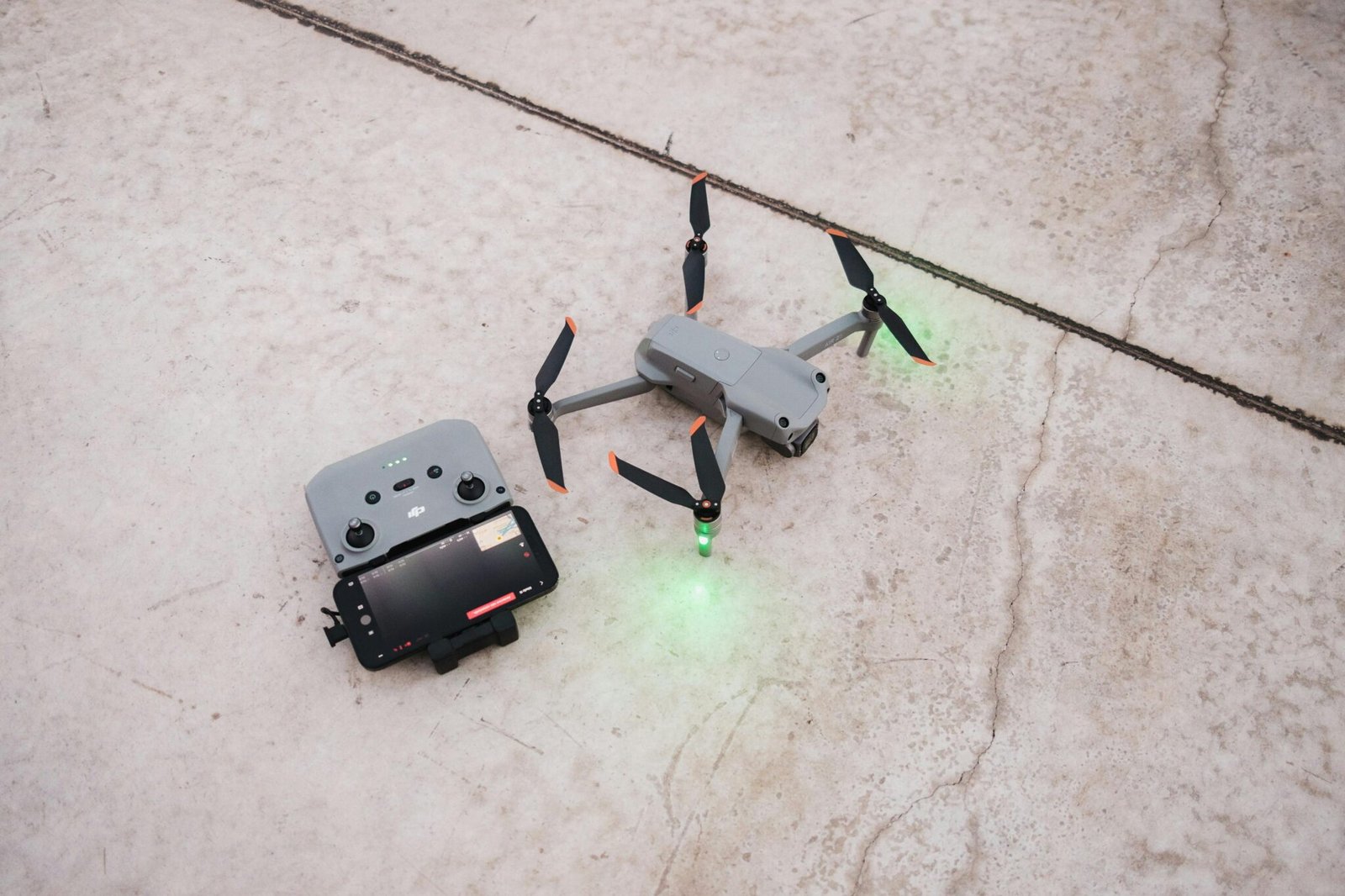




A quiet shift is reshaping how the drone industry tests counter-measures: Hardware-in-the-Loop testing platforms are moving from lab benches into real-world validation pipelines. Allen Control Systems has unveiled an advanced HIL platform designed to support industry-wide counter-drone tracking development and validation, a move that could reshape how operators prove detection and response readiness.
Recent Trends
- HIL gains traction
- Counter-drone standards
- Validation platforms expand
Hardware-in-the-Loop Testing for Counter-Drone Validation
Hardware-in-the-Loop testing means coupling real hardware under test with simulated environments in real time. In practice, the platform lets teams connect sensors such as radar, cameras, and RF links to synthetic data that mimics live conditions, letting researchers validate detection and tracking algorithms without risking airspace. The result is repeatable, safer testing that shortens development cycles while exposing edge cases that might only appear in complex flight scenarios. This approach also helps bridge gaps between academic research and field deployments, letting regulators and operators see how a system behaves under controlled, repeatable conditions.
Why this matters: the counter-drone mission spans defense, critical infrastructure protection, and commercial airspace safety. A flexible HIL platform accelerates iteration for detection, identification, and tracking, then validates responses from mitigation options or autonomous responses. According to Businesswire, Allen Control frames the system as modular and scalable, designed to plug into existing testbeds and support end-to-end validation across multiple use cases. In practice, this kind of platform reduces the guesswork that can slow procurement and deployment, especially when drones and countermeasures must operate in tandem across diverse environments.
Industry impact and use cases are broad. Universities, government labs, defense primes, and security integrators can leverage a common, repeatable testing fabric to compare algorithms and sensor fusion approaches. By standardising interfaces and data models, the platform reduces integration friction and invites more vendors into the counter-drone ecosystem. For defense planners, the message is clear: better testing tools translate into clearer risk assessments and faster procurement cycles. The implications extend to critical infrastructure operators looking for verifiable performance claims before embracing new counter-drone solutions, a concern that regulators worldwide are increasingly prioritizing as drone traffic grows.
Platform capabilities and how it changes workflows
- Real-time simulation engine that mirrors field conditions
- Modular hardware rails with plug-in sensors
- Open APIs for data exchange and algorithm validation
- Data analytics dashboards and exportable datasets for training
- Repeatable test scenarios covering swarms, fast-flyers, and mixed environments
Real-world impact and next steps
With this platform, operators can create end-to-end tests that couple detection, tracking, and response modules in a fully controlled setting. That matters for both civil applications—like airport perimeter protection and large-event security—and military research where rapid validation of new sensor fusion methods can shorten timelines from concept to fielding. The practical upshot is a faster feedback loop: developers learn what works, what doesn’t, and where standards need tightening before mass adoption occurs. For readers who manage risk in airspace, the core takeaway is that more robust testing tools lead to more reliable protection and fewer surprises in real operations.
FAQ and practical considerations
- What makes Hardware-in-the-Loop testing different?
- It combines real hardware with simulated, real-time models to validate performance under representative conditions without deploying live drones.
- Who should care about this platform?
- Researchers, defense and security operators, and vendors who need fast, repeatable validation of sensing and response systems.
- Where can this approach be applied?
- University labs, private test sites, and integrated defense ecosystems where controlled testing is essential.
Conclusion
Allen Control’s Hardware-in-the-Loop testing platform marks a notable step toward more reliable, scalable counter-drone validation. By accelerating testing cycles and enabling ecosystem-wide comparisons, the system could reshape how the industry proves detection accuracy, resilience, and decision speed as drones become more capable and prevalent.

















