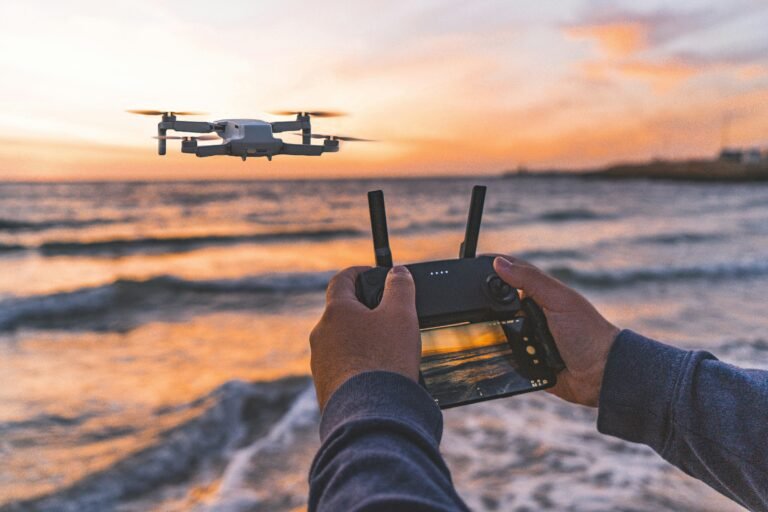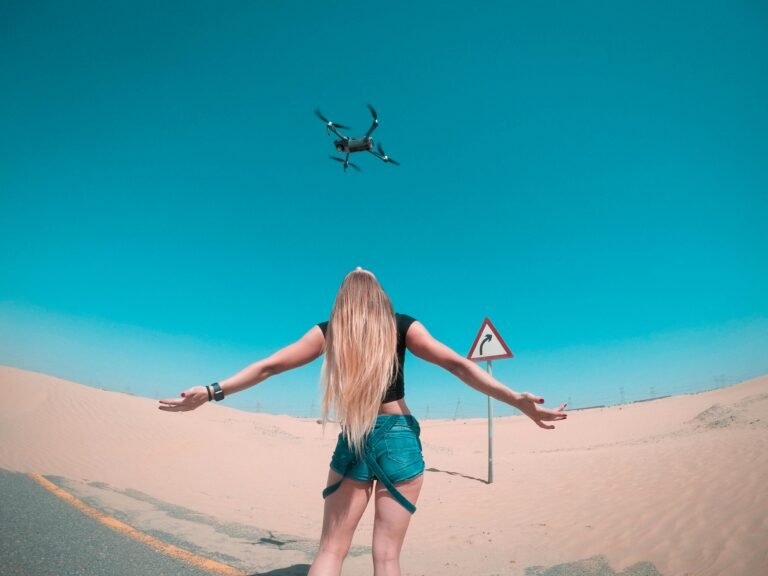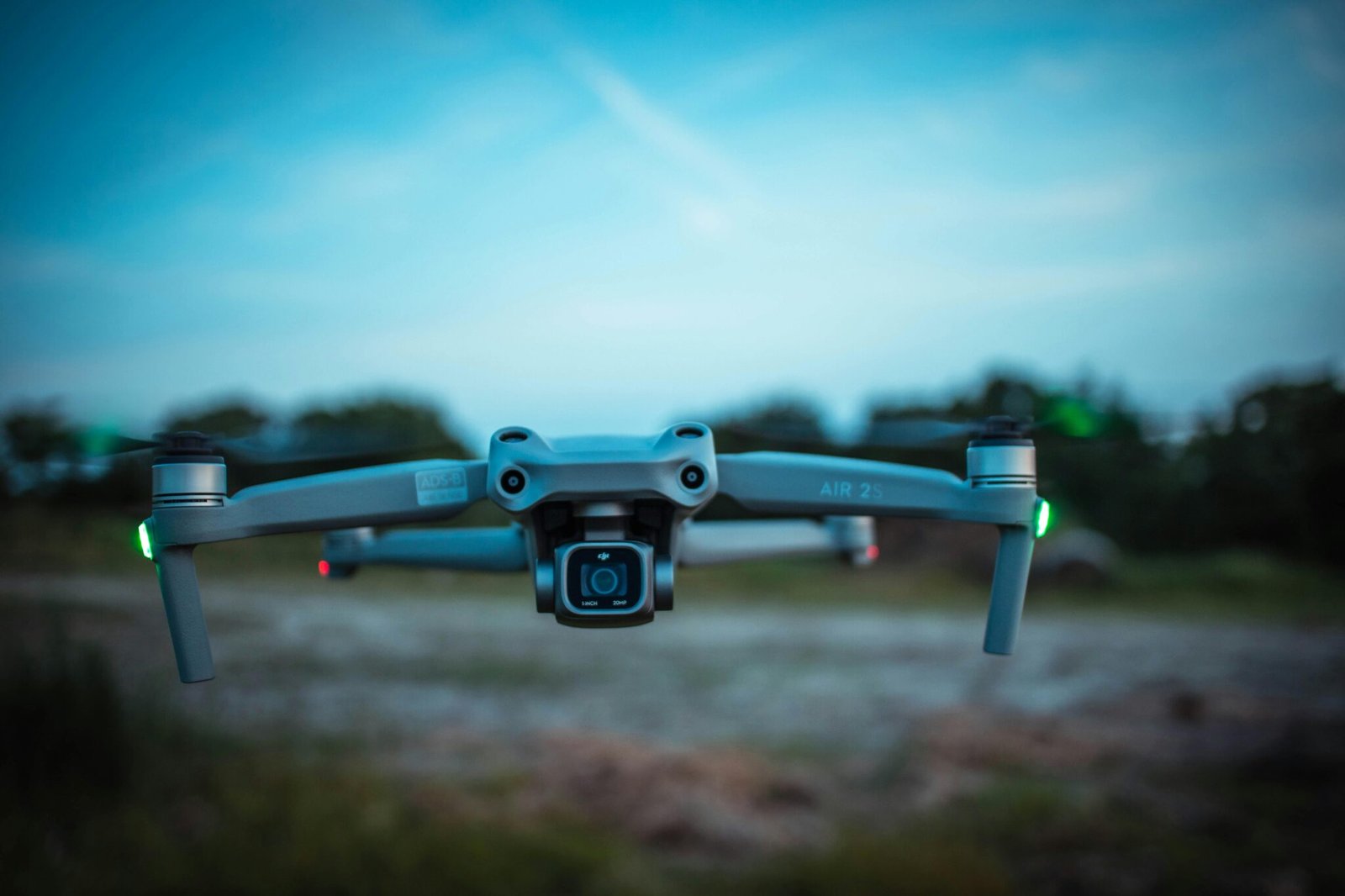



A drone sweeps over a quiet field as a flock of wild turkeys shifts in unison, its sensors catching micro-movements that humans might miss. What looks like a simple flight sits at the edge of a new frontier in wildlife study. Researchers are now using AI-powered drones to observe turkey behavior in real time, tracking foraging, flocking, and social displays. The goal is to gather data without disturbing the animals, a shift that could reshape ecology, conservation, and farm management.
Recent Trends
- AI powers wildlife monitoring via drones
- Noninvasive studies gain traction
- Ethical and airspace policy debates grow
AI Drone Monitoring in Wildlife Research
At the heart of this work is edge AI, where the drone processes data locally rather than sending it to a distant server. This approach speeds up analysis and can help protect privacy and data sovereignty in fieldwork. According to Gettysburgtimes, the project demonstrates how edge AI can lower latency and keep sensitive data local while still producing timely insights into animal behavior. This AI drone monitoring approach accelerates discovery while reducing the need for bulky, centralized processing.
The onboard computer runs a compact neural network that classifies behaviors from visual and thermal data. The combination of visible light imagery and infrared helps distinguish a turkey from a similar bird or a moving leaf, reducing mislabeling. For researchers, this AI drone monitoring pipeline means more reliable data and longer observation windows when weather or light conditions change. The system is designed to be flexible enough to adapt to different habitats and species with minimal retooling.
Technology behind the capability
The core is a compact onboard computer running a lightweight neural network trained to recognize turkey behaviors. By combining computer vision with thermal imaging, the system can operate in low-light conditions, a common reality during dawn and dusk when turkey activity often peaks. This dual-sensor setup helps differentiate a turkey from a similarly sized bird or a moving leaf, which is crucial for reducing false positives in behavior tagging. This is a practical example of AI drone monitoring in action, showing how hardware and software work together to deliver meaningful field data.
Industry players see several benefits. For universities conducting field ecology courses, such a platform lowers the barrier to student-led research. For farmers, it could become a decision-support tool for efficient land-use planning. And for the broader drone sector, it demonstrates a practical path from lab-grade AI to rugged field deployments. A number of startups are exploring off-the-shelf AI models that can be adapted to local wildlife, which lowers cost and accelerates adoption. The takeaway for practitioners is that you can get meaningful wildlife insights without a custom-built science drone every time. This continues to push the capabilities of drone technology into mainstream research settings.
Implications for policy and practice
With more drones studying animals, regulators are paying closer attention to privacy, airspace safety, and animal welfare. While wildlife surveillance in rural areas typically faces fewer privacy concerns than urban applications, the data management aspect is still important. Researchers must ensure that AI tagging and data storage comply with local wildlife permits and environmental guidelines. For industry, this reinforces the push toward standardized data formats and transparent AI model reporting to help reviewers assess accuracy and bias in animal-behavior labeling. The rise of AI drone monitoring also invites thoughtful dialogue on ethics, data ownership, and long-term ecological impact.
For readers in the field, the practical message is simple: start with a clear study plan, choose sensors that match your targets, and test models in controlled settings before widespread deployment. The example from Gettysburg Times shows how a careful combination of vision and AI can illuminate subtle behaviors without intrusive methods. For readers and decision makers, the trend is unmistakable: AI-powered drones are becoming a normal, productive tool for wildlife science, not just a novelty.
What this means for the future
Expect broader adoption across biodiversity monitoring programs, particularly in landscapes where human presence is disruptive. The turkey study offers a blueprint for scalable wildlife observations—collections of short, repeatable flights tracking specific animal groups over time. As models improve and batteries get longer lived, expect longer observation windows and more granular behavioral catalogs. That could feed into conservation planning, habitat connectivity studies, and even agricultural policy that balances yield with ecological health. The ongoing integration of autonomous drones with edge AI is poised to raise the bar for field research worldwide, enabling teams to monitor more species with fewer resources.
FAQ
- What is AI drone monitoring?
- Using drones equipped with artificial intelligence to observe, identify, and interpret animal behavior in real time or near real time.
- Why study turkeys with drones?
- Turkeys are a good proxy for understanding flock dynamics and responses to habitat changes, offering insights that can apply to other ground-dwelling birds.
- Is edge AI safer for wildlife studies?
- Yes, processing data on the drone reduces data transfer and keeps sensitive information local, which can lower risk and delay.
Conclusion: The blend of AI and drone hardware is pushing wildlife research from occasional field notes to data-rich, repeatable studies. For researchers, funders, and policymakers, the trend offers a path to deeper understanding with less disruption to animals and habitats.
Conclusion
AI drone monitoring is transforming wildlife science into a data-driven, scalable practice that respects animals and habitats while expanding what researchers can learn.