
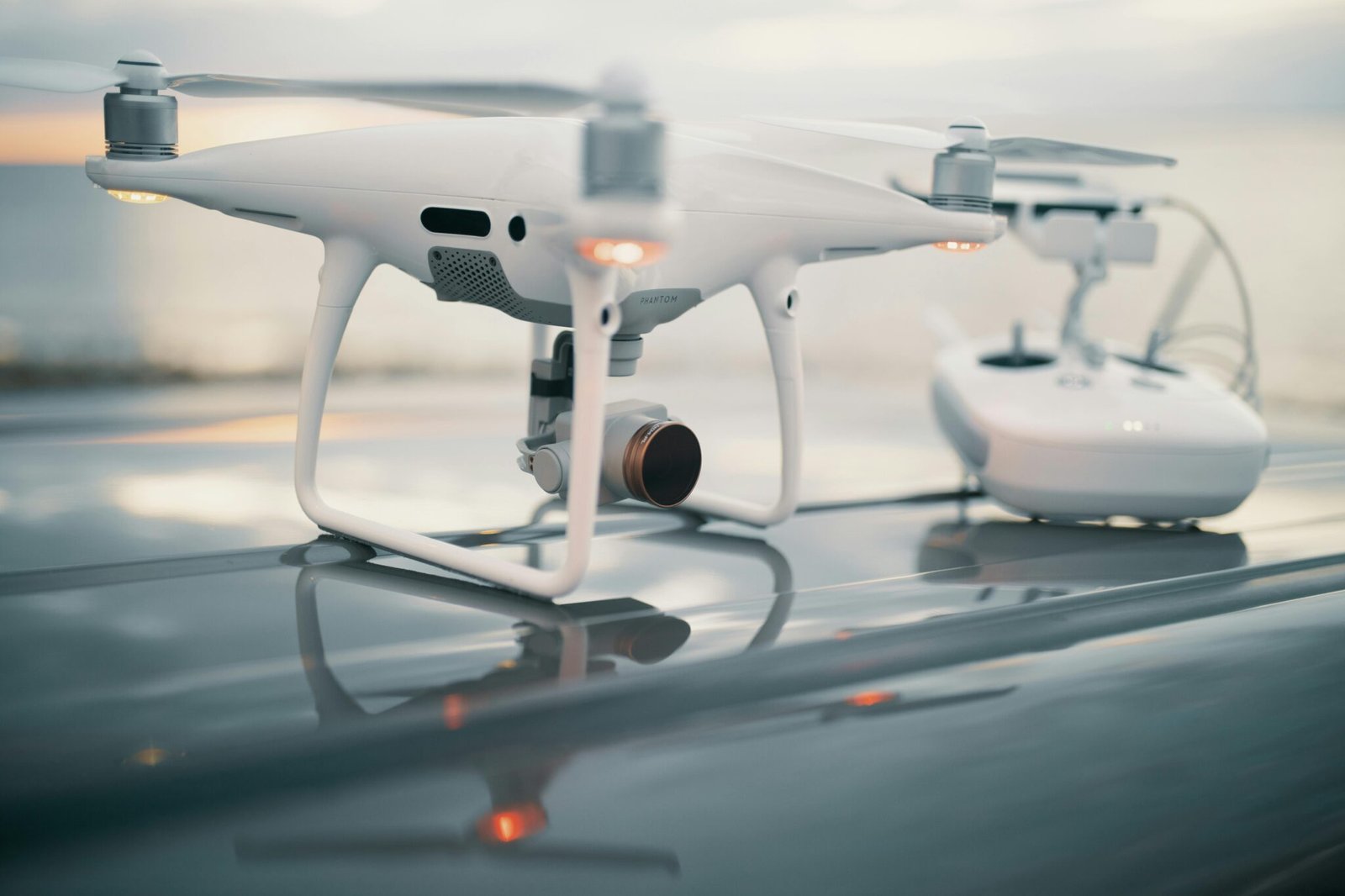




Aalborg Airport Closes After Drone Sightings
In Denmark’s North Jutland, Aalborg Airport was temporarily shut after drone sightings were reported nearby. North Jutland Police said the drones were spotted in the vicinity, prompting a precautionary closure to protect flight operations. The disruption sent several departures and arrivals on hold and led to rerouting of some flights to neighboring airports. The incident underscores the rising risk profile in real-time EU airspace as authorities track growing drone activity.
Recent Trends
- Drone sightings near airports are prompting tighter airspace controls
- EU and national authorities accelerate real-time risk monitoring
- Airports invest in geofencing and staff training for drone incidents
What happened
The North Jutland Police confirmed drone activity near Aalborg Airport, triggering a temporary closure of the facility while air traffic controllers assessed risk and safety measures. While authorities did not report any injuries, the halt disrupted dozens of flights and forced carriers to adjust schedules and ground operations. The Aalborg drone closure illustrates how quickly airspace safety protocols can be activated when unmanned aircraft enter critical aeronautical zones. The airport later communicated that operations would return to normal as authorities completed risk assessments, but the interruption highlighted the fragility of surface-to-air operations in busy regional corridors.
Regulatory and risk context
Across Europe, regulators are tightening oversight of drone activity as drone technology becomes more capable and accessible. Authorities emphasize geofencing, remote identification, and real-time situational awareness to prevent near misses with manned aircraft. Incidents like this one at Aalborg feed into a broader push to align national procedures with EU rules on drone operations, accountability, and cross-border coordination. For operators, the event underscores the importance of complying with airspace restrictions and keeping drones within permitted altitudes and zones to avoid triggering disruptive closures.
Implications for airport safety and operations
The Aalborg drone closure has immediate operational implications: flight schedules become volatile, security perimeters tighten, and airlines must rapidly reroute or delay flights. Beyond the immediate disruption, the episode reinforces how sensitive regional hubs remain to errant drone activity even during routine weather and traffic days. For regional airports, it highlights the need to invest in detection capabilities, staff training, and robust incident-response playbooks to minimize downtime and protect passenger safety.
Impact on people and policy
From a policy perspective, the incident adds pressure on European authorities to streamline cross-border data sharing and harmonize enforcement standards for drones operating near airports. In practice, that means enhanced cooperation between police, air traffic management, and aviation regulators to rapidly classify threats and execute proportional responses. For travelers, the takeaway is clear: airport operations can be interrupted by unmanned aircraft, even when drones are small and hobbyists are not intent on causing harm. For defense planners and safety officers, the message was unmistakable: drones remain a real, evolving risk to critical infrastructure beyond military domains.
What drone operators should know
Operators should treat airport airspace as sacred airspace with stringent restrictions. The Aalborg drone closure demonstrates the consequences of noncompliance, including temporary loss of access to the skies, fines, and potential criminal charges if intent to threaten safety is suspected. The best practice is to respect geofenced zones, enable remote ID where required, and maintain visual line of sight in permitted contexts. As drone technology and AI-enabled sensors become more capable, we can expect more proactive monitoring and faster incident response across the EU’s airspace network.
For operators, the Aalborg drone closure is a reminder to review operation plans, preflight risk assessments, and contingency procedures. When near-airport operations are planned, ensure you have official approvals, flight plans filed, and awareness of any temporary flight restrictions. Staying compliant not only protects people and property, it preserves the credibility of legitimate drone activities and reduces the risk of future closures.
Conclusion
The Aalborg drone closure is a timely reminder that unmanned aircraft, even at hobbyist scales, can disrupt essential transportation infrastructure. While investigations determine the source and intent of the sightings, the broader trend is clear: regulators and operators must converge on safer, more interoperable airspace management. Airports will continue to adapt with better detection, clearer geofencing rules, and more precise cooperation with law enforcement. For the industry at large, the incident reinforces a simple truth: the drone era demands vigilance, precision, and disciplined safety culture to keep skies open for legitimate, productive uses.

















