
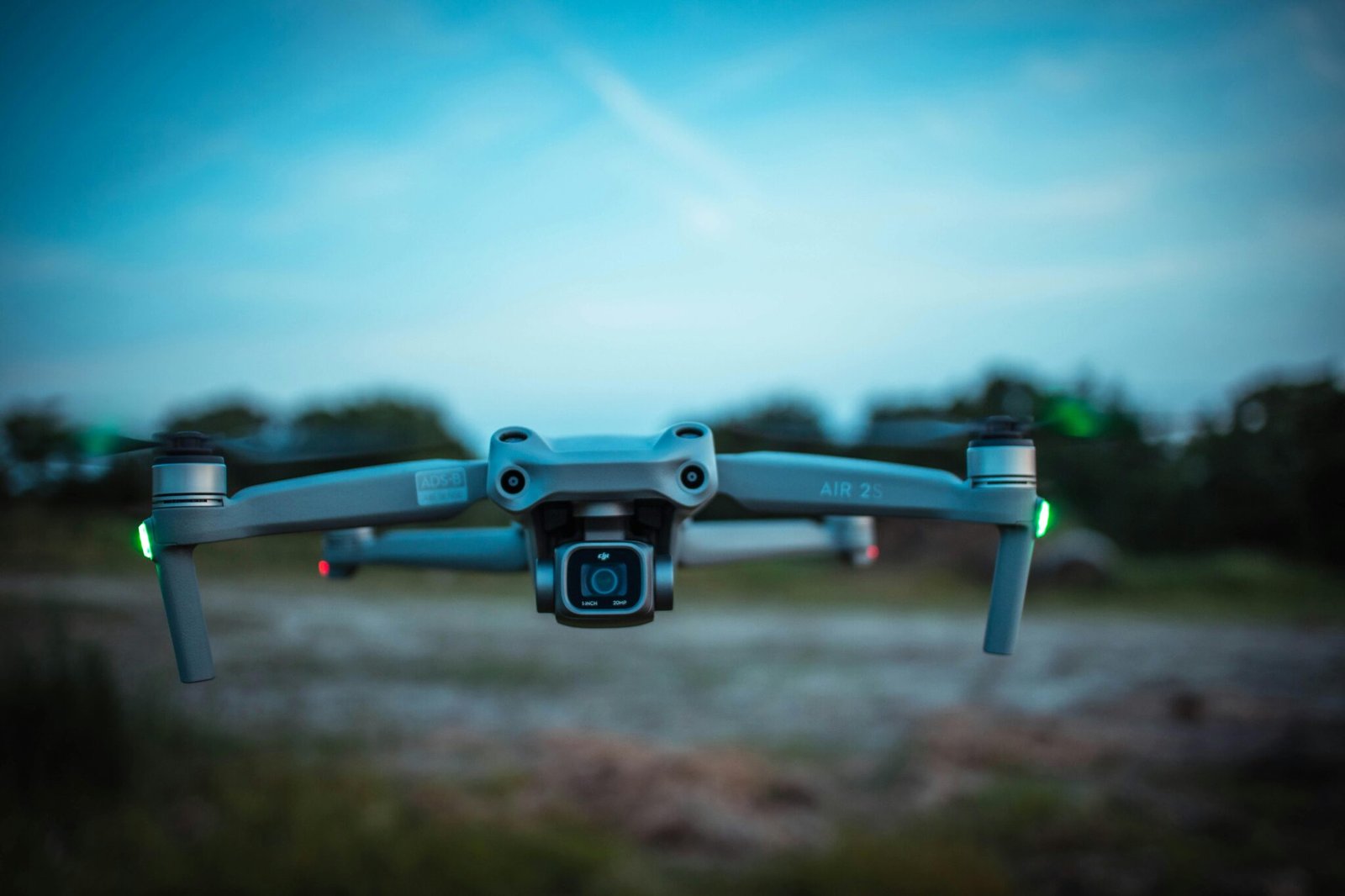




Under a pale morning sun, a drone hovers over a wind-swept facility, its motors quiet as an onboard AI maps every obstacle and wind gust. The scene is increasingly common in the drone world where ai drone autonomy transitions from novelty to normal. Operators are pushing beyond line-of-sight chores to complex tasks that demand split-second decisions and seamless coordination with other air traffic. This week an interesting development is AI-driven drone autonomy making strides in inspection, logistics, and safety across industries.
Recent Trends
- Growing BVLOS corridors and standardized permissions
- Onboard AI for real-time obstacle avoidance and path planning
- UTM integration to coordinate drone traffic with manned aviation
At its core, ai drone autonomy is about giving small and mid-size drones the cognitive tools to interpret the world without waiting for a human in the loop. A typical platform now blends computer vision, sensor fusion, and lightweight planning algorithms that run entirely on the drone. The result is a more resilient vehicle that can adapt to sudden gusts, dense shadows near towers, or unexpected obstacles. Practically, that means fewer delays, safer flights, and more reliable data collection in demanding settings—far beyond the predictable routes of simple inspection work.
Industries from energy to logistics are test-bedding autonomous capabilities. A wind farm might deploy a fleet of autonomous inspectors that survey blades, collect thermal data, and flag issues in real time. In logistics, autonomous drones can execute last-mile deliveries to hard-to-reach sites, while coordinating with fixed-wing aircraft on shared airspace. For defense planners and public safety agencies, ai drone autonomy can enable rapid search-and-rescue sweeps or disaster response missions where every second counts. For readers, this signals a broader shift: autonomy is no longer a niche feature but a baseline capability for serious drone programs.
From Factory Floors to Field Inspections
In practice, this shift is driven by three factors: smarter onboard compute, better sensors, and smarter software. Onboard processors deliver rapid inference, allowing the drone to interpret 3D maps, detect hazards, and replan routes on the fly. High-resolution cameras, LIDAR, and thermal imaging feed into real-time decision-making, letting a drone choose the safest path through clutter while maintaining mission goals. For enterprises, the payoff is a clearer return on investment: more data per flight, less downtime, and a path to scalable operations that can handle hundreds of missions per week with minimal manual intervention.
One concrete example within the broader trend is autonomous inspection fleets used by energy operators. Companies can deploy a single operator to manage multiple air assets that continuously monitor turbines, infrastructure, and pipelines. The drones work in concert, sharing position data and objectives so they don’t collide or duplicate efforts. This is where swarm-like behavior begins to appear in civilian applications, a step beyond solo flights that used to dominate the chatter about drone autonomy. The practical upshot is a higher tempo of data collection with lower labor costs and safer, more consistent results.
What It Means for Operators and Regulators
For operators, the shift toward ai drone autonomy changes the calculus of risk and return. Companies must invest in robust data pipelines, secure command-and-control links, and reliable fault-management protocols. They also need to rethink flight planning with a stronger emphasis on autonomous behavior. In the language of the field, the emphasis moves from simply flying a drone to managing a system of intelligent agents that can adjust to weather, traffic, and mission priorities in real time. Operational resilience improves as a result, since autonomous systems can handle routine contingencies without human intervention. This is a critical factor as operators seek to extend operations into BVLOS corridors and more complex urban environments.
Regulatory bodies are watching closely. The push toward BVLOS operations and formalized UTM (unmanned traffic management) integration is accelerating, with pilots and regulators testing how autonomous flight can coexist with manned aviation. In some regions, regulators are already adapting to the idea that a mission’s safety depends on the drone’s autonomy stack as much as on its pilot. The ongoing dialogue between industry and regulator will shape standards for autonomy validation, fail-safe design, and the certification of AI components. For readers, the takeaway is clear: ai drone autonomy will increasingly ride on a shared framework of safety, validation, and interoperable airspace rules.
For field teams, the practical implication is a new relationship with data. Autonomy means more streaming data from more flights, bigger data lakes for analytics, and clearer metrics for mission success. Operators must invest in data hygiene, model governance, and explainability of ML decisions for audits and safety reviews. The result is not a single breakthrough but a transformation in how flights are planned, executed, and judged. This is why the trend matters beyond tech circles: it touches procurement, maintenance budgets, and workforce planning across the drone economy.
As with any tech shift, the human element remains essential. Training remains critical to ensure pilots and technicians understand how autonomous systems make decisions. The goal is a shared language where operators can interpret AI-driven actions and intervene when necessary. In practical terms, that means more robust standard operating procedures and better documentation of how autonomous components handle edge cases. The synergy between human oversight and machine reasoning is what will sustain safe, scalable adoption of ai drone autonomy in both commercial and public safety contexts.
This week, industry observers anticipate more cross-border pilots, tighter standards for autonomous data logging, and concrete milestones in UTM-enabled corridors. The infrastructure is finally catching up to the ambition. For readers, the signal is strong: ai drone autonomy is not just a feature; it is an operating model that is reshaping how drones perform critical tasks across markets.
Conclusion
AI-driven drone autonomy is moving from experimental bias to operational necessity. With smarter onboard compute, enhanced sensing, and evolving regulatory paths, autonomous flights deliver higher data quality, faster decision cycles, and safer operations. The implications ripple through fleet management, safety certification, and airspace policy. Operators who embrace robust autonomous systems—paired with clear governance and compliant data practices—will unlock new use cases from industrial inspection to last‑mile logistics. As airspace becomes more crowded with AI-enabled machinery, the industry’s focus should be on trusted autonomy: validated, auditable, and resilient. The path ahead is not a leap but a ladder—step by step toward a more capable, more efficient drone ecosystem.

















