
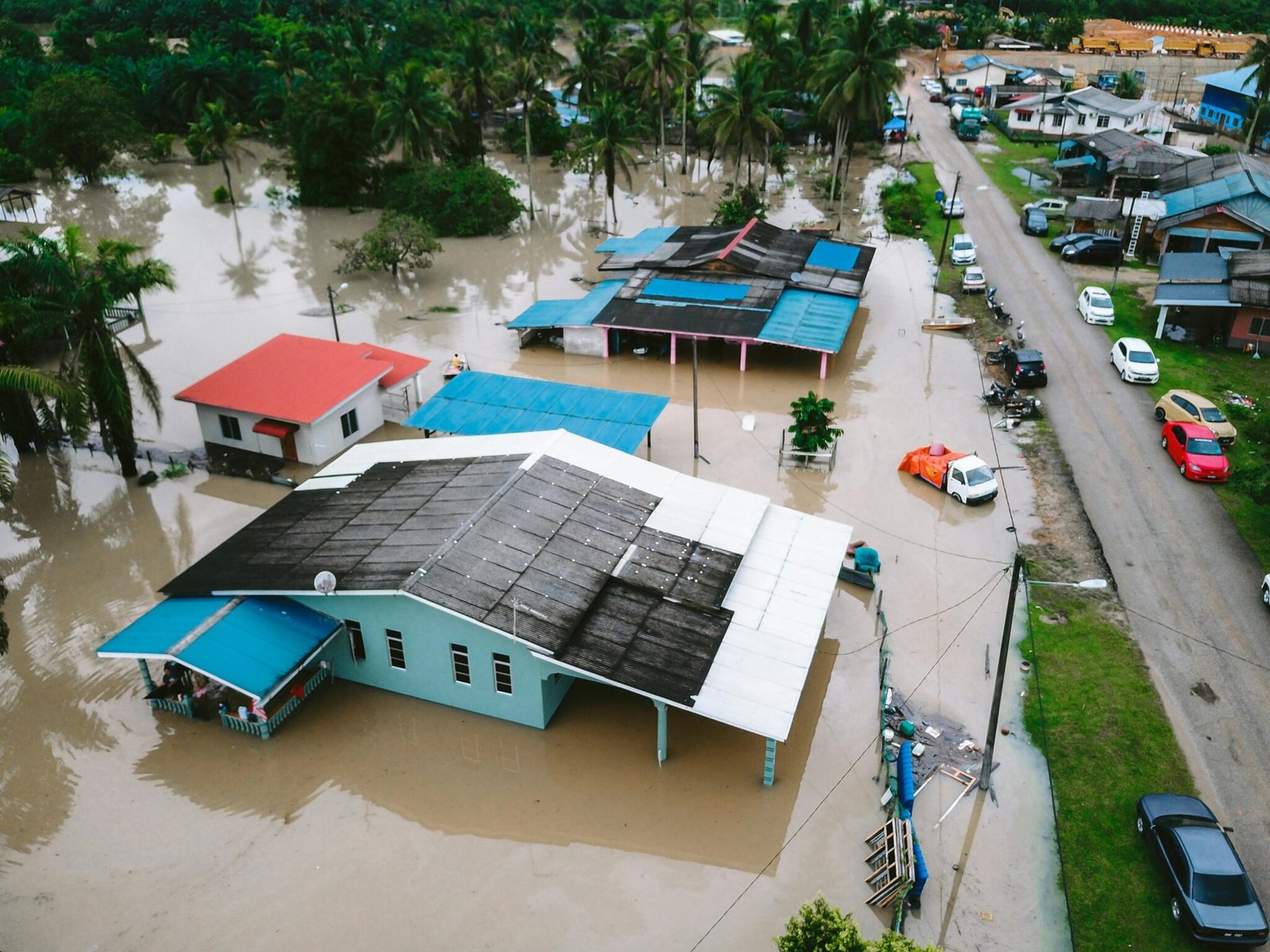




In Ramara, a new tool moves faster than foot traffic: drones. When emergencies strike along rural roads, drone flights can deliver eyes in the sky and hands on the ground. Public safety officials say it could cut response times, map hazards, and deliver essential supplies where ambulances can’t reach.
In practice, drones could advance drone emergency response capabilities by locating stranded motorists after a crash, dropping a medical kit to a patient, or relaying hotspots of danger to ground crews. For residents, the promise is simple: faster information means faster care.
Recent Trends
- Public safety drones expanding in rural Canada
- Regulatory clarity improves for essential services
- Urban and rural EMS pilots explore on-demand aerial mapping
Key Use Cases in the Field
Rapid hazard mapping lets responders see roads, bridges, and water hazards from above. Drones can assist search and rescue by covering large areas quickly, locating missing people with thermal cameras, and guiding ground teams to safe routes. In medical emergencies, lightweight kits and automated messages can be directed to patients while ambulances are en route. These tasks do not replace crews, but extend their reach when time is critical.
What this could mean for Ramara
For Ramara’s fire, EMS and police services, the drone emergency response toolkit could shorten triage times and improve hazard mapping. Drones can perform rapid aerial surveys of accident scenes, identify blocked roads, and drop lightweight medical supplies to remote locations before a ground crew arrives. In practice this reduces the time to first care and helps allocate resources where they are most needed.
According to The Standard, Ramara’s emergency services are piloting drone deployments for rapid scene assessment and supply delivery. This reflects a broader push across Ontario to empower frontline responders with aerial intelligence while maintaining strict safety and privacy standards.
Regulatory and privacy considerations
Canada’s regulators continue to refine rules for unmanned aircraft systems. Transport Canada requires licensed pilots for many operations, and municipalities must balance speed with privacy, safety, and data governance. Community engagement and clear bylaws help build trust as drones become part of the public safety toolkit.
Implementation Roadmap
- Provide basic UAS training for EMS and fire crews and establish data handling practices.
- Partner with local hospitals and dispatch centers for integrated responses and medical supply drops.
- Start in low-risk zones with geofencing, flight plans, and privacy protections in place.
FAQ
Q: Will drones replace ground crews?
A: No. Drones augment responders by providing fast information and delivery in hard-to-reach spots.
Q: What about privacy?
A: Programs follow provincial privacy laws and strict data controls; public input is common in pilot programs.
Conclusion
Ramara stands at the edge of a new era for public safety. If pilots, regulators, and communities align, the drone emergency response approach could shorten response times, improve safety, and serve as a blueprint for neighboring townships near Orillia.

















