
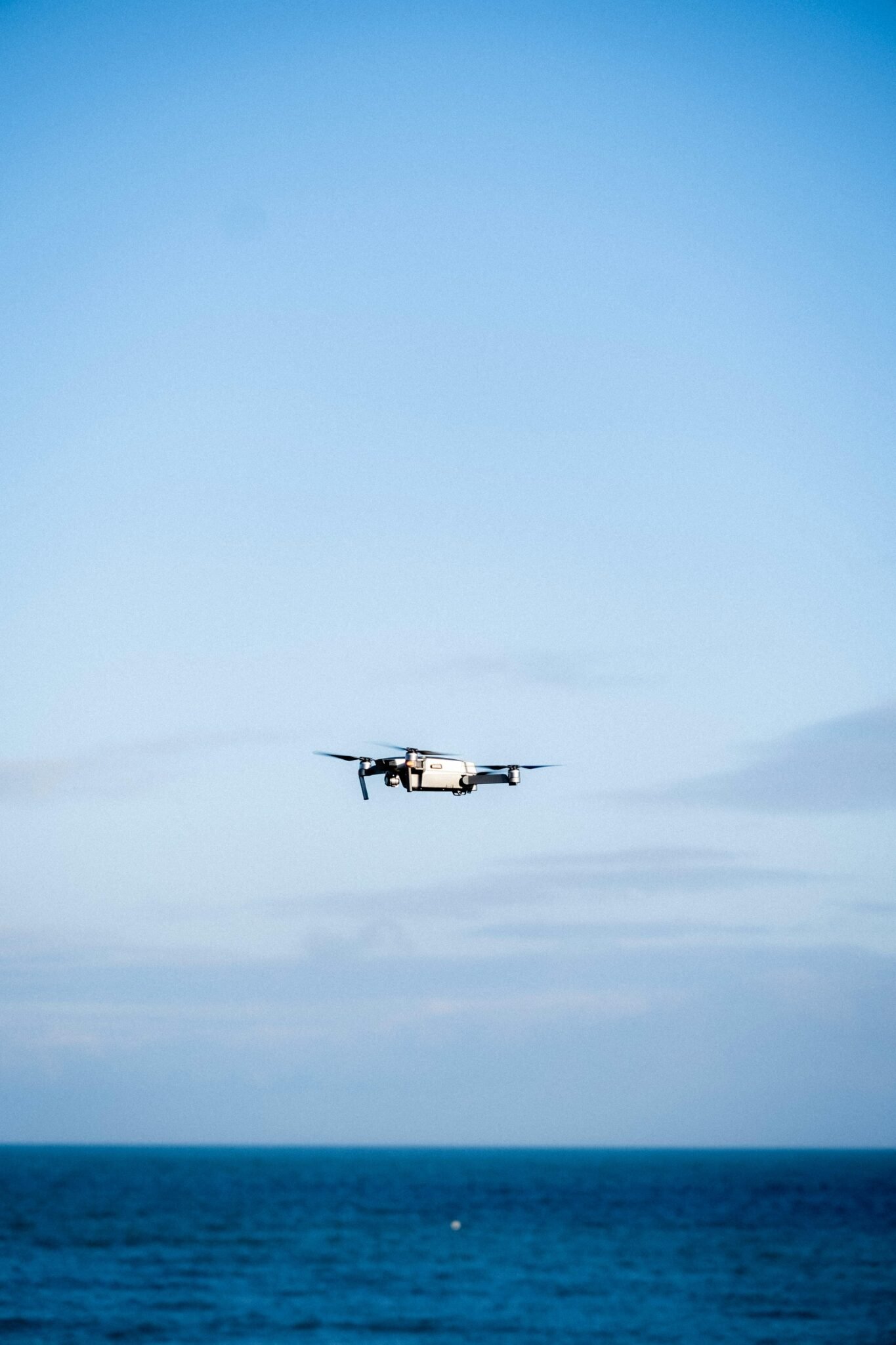




The European push to harden maritime safety through drone technology just took a concrete step. Airbus has secured a €30 million contract with the European Maritime Safety Agency (EMSA) to provide Flexrotor drone services for patrols, inspections, and other maritime missions. The deal signals a meaningful shift where a major aerospace player becomes a public sector partner, not just a vendor. In practical terms, it could lead to faster, more standardized drone operations for coast guards and port authorities across member states.
Recent Trends
- Public-sector drone adoption accelerates in Europe
- OEMs expand turnkey drone services for agencies
- Cross-border regulatory alignment boosts EU drone ops
The procurement centers on Airbus gridfalls and its Flexrotor platform, a tilt-rotor design designed for vertical takeoff and short-field landings. EMSA plans to leverage the system for broad patrol and surveillance tasks, including near-shore monitoring, vessel tracking, and incident response. The contract covers not just drone hardware but a full service package, from fleet maintenance to data handling and operator training. This is a move toward a service model where agencies can rely on a single provider for ongoing mission support rather than managing disparate suppliers.
According to Biztoc, which drew on reporting from BreakingtheNews.net, the EMSA contract is part of a broader push to bring drone-enabled public safety capabilities under EU oversight. The arrangement signals growing confidence in publicly funded drone programs, as well as a willingness to integrate commercial platforms into national maritime security frameworks.
Maritime Drone Surveillance: Airbus-EU Pact Explained
What the deal covers
The core of the agreement is a turnkey service built around Airbus’ Flexrotor drones. Agencies will receive the hardware, software, and ground control systems needed for routine patrols, rapid response, and port inspections. The service model emphasizes standardized procedures, shared data formats, and coordinated airspace management to support cross-border operations across EU waters. The €30 million price tag covers multi-year operations, with scalability baked in to adapt to evolving maritime challenges.
Operational scope and benefits
Airbus touts Flexrotor as a flexible solution for seabed mapping, line-of-sight patrols, and near-shore surveillance under varied weather. The drone package is paired with training for national authorities and ongoing maintenance. For defense planners and civil authorities alike, the arrangement offers a more predictable cost structure and faster deployment compared with a piecemeal procurement approach. In short, it lowers entry barriers for smaller member states while enabling larger programs to scale quickly.
Why it matters
The deal matters because it represents a rare public-private collaboration at scale in Europe’s drone ecosystem. It demonstrates a path for turning trial projects into full, sustained programs with real governance rules. The EMSA contract can serve as a blueprint for other EU agencies exploring drone-enabled capabilities in fisheries enforcement, search and rescue, and environmental monitoring. For readers new to the topic, the move shows how drones are moving from novelty tools to core components of public safety infrastructure.
Policy and regulatory context
Public sector drone programs face a dense regulatory environment. The EU has pushed toward common data standards, privacy safeguards, and interoperable flight rules to enable cross-border missions. This agreement with Airbus could help harmonize technical specifications and certification pathways, easing future deployments for member states. For policy makers, the focus is on balancing robust oversight with practical, field-ready capabilities.
Industry implications
For drone makers and service providers, the EMSA deal shows a clear market signal: there is appetite for integrated, end-to-end public sector offerings. A turnkey model lowers the barrier to adoption and creates a predictable revenue stream. It also raises the bar for competitors to demonstrate comparable reliability, service levels, and data governance. In the broader market, expect more OEMs to emphasize service contracts, training, and lifecycle support as differentiators alongside hardware specs.
Operational realities and risk considerations
Public safety operations require not just advanced sensors and reliable flight platforms but also strong data stewardship. Agencies will need clear guidelines for data retention, access controls, and sharing across borders. The EMSA arrangement should come with clear performance metrics, incident reporting, and auditing mechanisms to ensure accountability and maintain public trust. The procurement also highlights the need for robust cyber and physical security across the drone system.
Conclusion
As Europe formalizes a broader role for drones in maritime governance, this Airbus-EMSA pact points to a future where public fleets are as routine as coastal patrols. The deal signals a trend toward integrated, service-led drone programs that combine aircraft, data, and maintenance into a single, accountable ecosystem. For agencies, it offers a replicable model that could accelerate modernization while aligning with EU policy goals around safety, privacy, and cross-border cooperation. The takeaway is clear: maritime drone surveillance is evolving from a pilots-and-prototypes activity into a cornerstone of strategic public safety in Europe.

















