
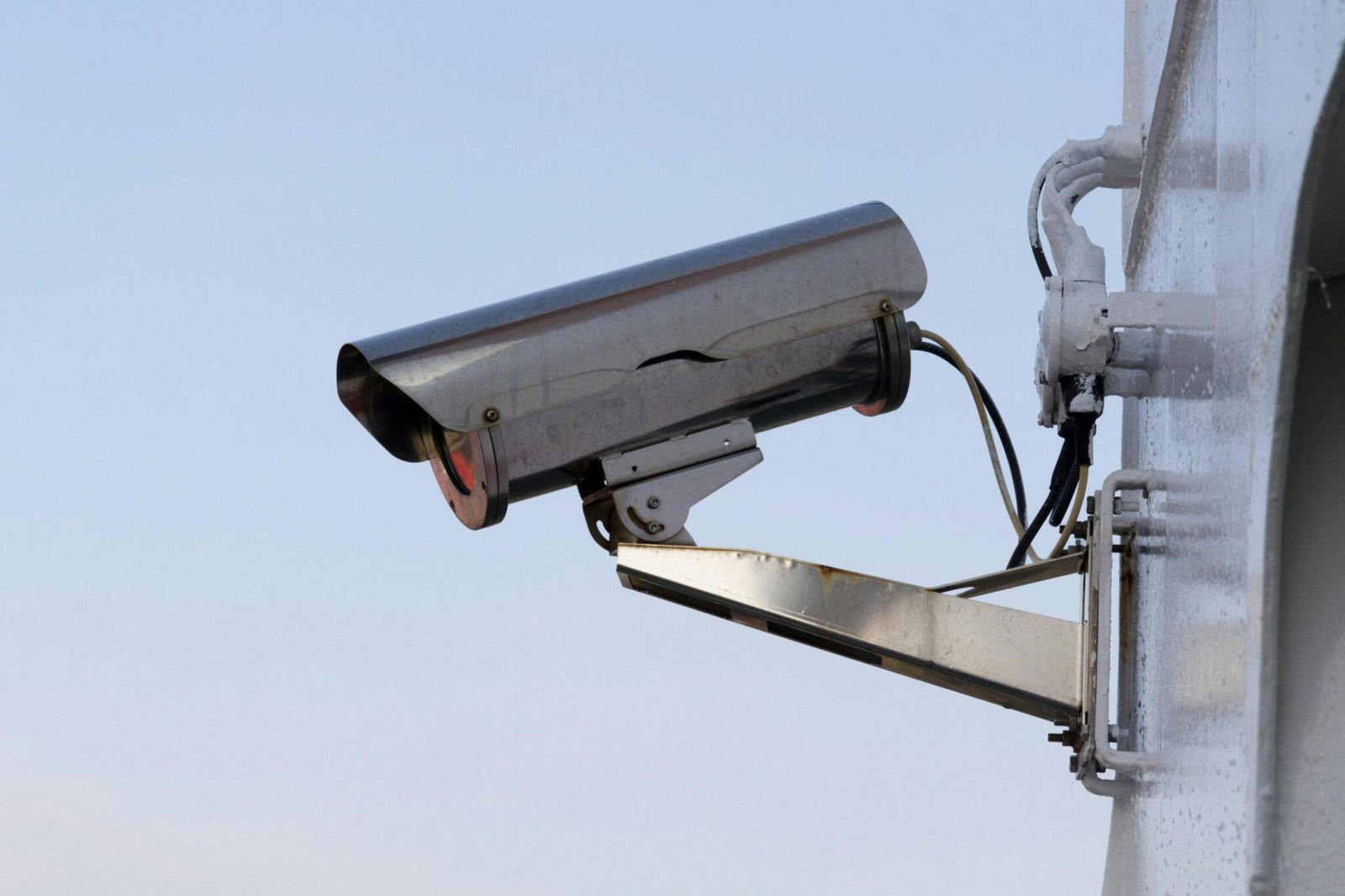




Behind the chatter of consumer quadcopters, a quiet shift is under way: low-altitude detection is becoming a real frontier for smarter surveillance and faster response.
Recent Trends
- Growing demand for lightweight sensors on micro-drones
- Rising use of infrared cameras for critical infrastructure security
- Increased pilots and testing of drone detection networks
Low-Altitude Detection Market Outlook
For operators guarding essential sites, the appeal is simple: detect small, low-flying aircraft sooner, with less payload and cost. The market forecast centers on compact systems that pair inexpensive airframes with sensitive imaging and thermal cameras. When a drone flies within a few hundred feet of a critical asset, lightweight infrared cameras can reveal heat signatures and movement patterns that visible-light cameras alone might miss. This combination improves situational awareness, reduces false alarms, and speeds decision cycles for security teams.
The emphasis on lightweight components matters because it unlocks practical deployments. Micro-drones, or small unmanned aircraft systems (sUAS), can be equipped with compact infrared sensors without overburdening the aircraft or extending flight times. In the energy sector, utilities and refineries are testing these setups to monitor fence lines, storage yards, and remote substations. In transportation hubs, concourse areas and parking facilities become candidates for continuous, low-cost surveillance rather than sporadic checks by human patrols.
Industry analysts expect this trend to accelerate as sensor technology improves and price points fall. The ability to fuse real-time thermal data with standard video feeds enables operators to distinguish between benign heat sources (sun-heated surfaces, vehicles) and potential threats (unusual heat signatures or erratic flight patterns). That differentiation is critical for reducing alert fatigue while preserving rapid response capabilities. In practice, a security team can flag a likely intruder, reduce gate time, and dispatch on-site personnel with precise location cues rather than broad, manual sweeps.
According to Business Wire via ResearchAndMarkets, the market for low-altitude detection and related surveillance technologies is poised to expand through the 2025–2032 window as demand from critical infrastructure and other sensitive sites grows. The forecast underscores the role of lightweight infrared cameras as a catalyst for expanding drone operations within controlled airspace, rather than a barrier that restricts them. This shift mirrors a broader industry move toward sensor miniaturization, edge processing, and better data fusion that makes small drones more capable in real-world security tasks.
What this means for operators For security teams, the message is actionable: invest in modular sensor kits that can be swapped across fleets, deploy compact infrared cameras that operate in variable weather, and build data pipelines that normalize thermal and video streams for rapid analysis. As sites adopt more capable detection tools, operators should also invest in training and incident-response playbooks so that detections translate into timely actions rather than just more alerts. For vendors, the opportunity lies in delivering plug-and-play components, certified in regulated environments, that can be integrated with existing alarm systems and access controls.
Substantial growth will also hinge on interoperability. The market will favor standards that let infrared imaging work alongside other sensors—radar, acoustic sensors, and RF fingerprinting—without forcing operators to maintain bespoke software stacks. In practical terms, a power utility might run a shared security platform that correlates infrared detections with perimeter cameras and access-control logs, creating a cohesive picture of activity at critical sites.
What fuels adoption
The push comes from several forces: cost pressure on security budgets, the need for continuous monitoring at post-incident sites, and regulators seeking to improve risk management without prohibitive overhead. The rise of micro-drones in legitimate, commercial roles also increases the value of detection tools that are small enough to be deployed widely, yet capable enough to be trusted in sensitive environments.
Regulatory and policy context
Regulatory bodies in the United States, Europe, and elsewhere are shaping the adoption curve by clarifying how drones can be monitored and managed near critical infrastructure. Rules around data privacy, airspace access, and drone detection networks influence both the pace and the cost of deployment. As operators pilot these systems, they should monitor FAA updates and EASA guidance that affect sensor approvals, data handling, and cross-border operations. The combination of policy clarity and product capability will determine how quickly low-altitude detection tools move from niche pilots to standard security infrastructure.
For readers keen on the practical implications, the trajectory is clear: better, cheaper, smaller infrared sensors will enable more durable, adaptable drone surveillance programs at critical sites. This is not a speculation exercise; it reflects ongoing trials and deployments across utilities, refineries, data centers, and transit hubs. As technology matures, expect a broader ecosystem of suppliers offering end-to-end solutions that integrate detection, analytics, and response workflows.
In closing, the forecast signals a meaningful shift in how organizations protect strategic assets. The combination of lighter sensors, smarter processing, and interoperable platforms will redefine what is possible with small drones in high-safety environments. For security planners, the takeaway is straightforward: stock up on modular, infrared-enabled kits, align with emerging standards, and train teams to convert detections into timely action. This is how the industry will advance resilience in an increasingly automated world.
Conclusion: As critical infrastructure faces evolving threats, the low-altitude detection market offers a practical path to safer, more responsive security using small drones

















