
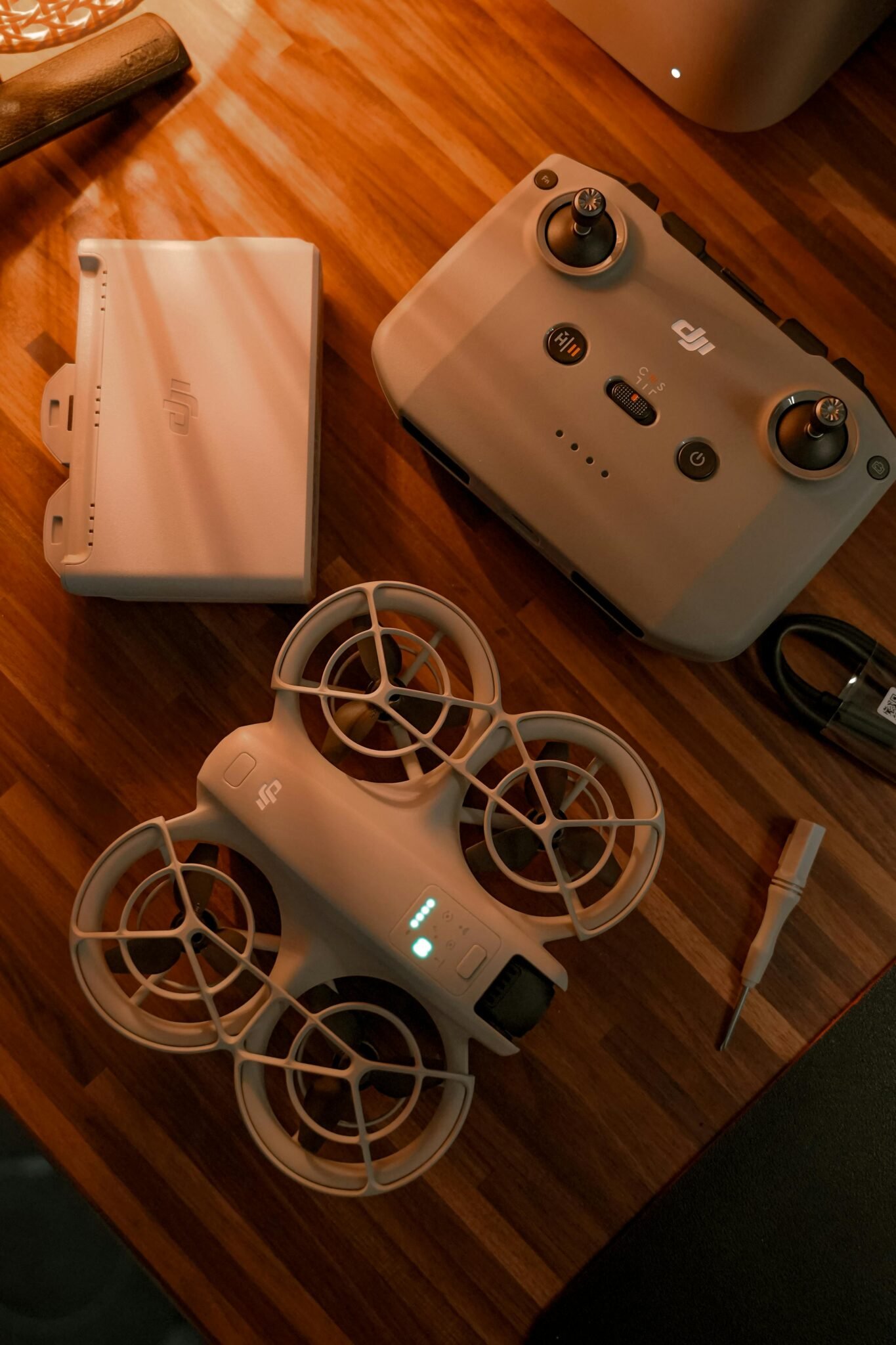




Budget-friendly drones that fit in a jacket pocket are no longer a novelty. They’re now everyday tools for creators who want quick, shareable footage without a big learning curve. DJI’s Neo lineup sits squarely in that space and now faces a direct test from the Neo 2.
Recent Trends
- Omnidirectional obstacle avoidance becomes standard in budget drones
- Compact selfie drones demand more onboard storage and a built-in display
- US availability increasingly relies on third-party retailers due to regulatory constraints
Neo 2 vs Neo: Which DJI Selfie Drone Wins
At a glance, the Neo 2 adds a screen beside the gimbal, LiDAR-based obstacle avoidance, gesture control, and bigger internal storage. The original Neo keeps a lighter footprint and a microSD slot for storage expansion. The price gap is real: Neo started around $199, while Neo 2 sits around $319. This isn’t just about cost; it’s about what you gain in safety and ease of use.
For travelers and first-time pilots, those extras can be worth it. The obstacle avoidance system on the Neo 2 uses LiDAR and infrared sensors to detect objects in all directions, a feature the Neo lacks. Gesture control lets you move the drone with hand movements, which is handy for solo filming in tight spaces. The Neo 2 also features a 4K video option, whereas the Neo tops out at 4K 30fps. Yet the Neo’s smaller size and the ability to expand storage with a microSD card keep it appealing for budget-minded buyers.
Another practical difference is storage. Neo 2 ships with 49GB of internal storage but no microSD slot for expansion; the Neo offers 22GB plus a microSD slot. For video-heavy users, that microSD path can matter, especially when shooting 4K. DJI’s Fly app lets you offload footage on the go, but large files can still eat into your on-device space. The Neo 2 concedes a point here for internal storage, but the lack of microSD expansion can bite for long shoots.
Wind handling also improves with the Neo 2. It uses a two-axis gimbal and DJI’s RockSteady stabilization, delivering steadier footage in gusty winds. The Neo uses a one-axis gimbal, which is lighter but less stable in wind. The Neo 2’s wind tolerance is higher, around 10 m/s versus 8 m/s for the original Neo, which translates to smoother pans in real-world conditions.
Availability in the United States adds another layer to the decision. The Neo 2 isn’t officially sold by DJI in the US yet; buyers typically go through third-party retailers such as Amazon or Adorama. That means Care Refresh support may not be available for the Neo 2 in some regions, while the Neo remains eligible for official DJI coverage. In other words, the path to service and support differs enough to influence a prioritization depending on where you shop.
Design-wise, DJI leans into a darker finish for the Neo 2, while the Neo retains a lighter shade. Both are among the lightest consumer drones, aiding portability and simplifying regional registration. The Neo 2’s Digital Transceiver option helps connect to DJI controllers or the DJI Goggles N3 FPV headset, though you can still fly it with a smartphone or basic controller if you prefer. In short, the Neo 2 blends a few premium touches with a price tag that still sits in the affordable tier for many buyers.
Ultimately, the choice comes down to priorities. If obstacle avoidance, hands-free gesture control, and 4K60 video are must-haves, the Neo 2 is the clear pick. If you want the lowest price, the most flexible storage options, and official DJI support, the Neo remains a solid bargain and a sensible backup option for travelers who don’t want to chase the latest tech.
According to Tom’s Guide, hands-on testing highlights the Neo 2’s practical gains in safety and usability, while also noting that US availability and Care Refresh coverage can shift buying decisions. The broader takeaway is that DJI continues to segment its budget line to cater to two very different buyer personas: the value shopper and the feature-focused creator.
Overview: Neo 2 and Neo at a glance
- Price: Neo ~$199; Neo 2 ~$319
- Flight time: ~18–19 minutes for both
- Camera: 12 MP, 1/2-inch sensor common to both
- Video: Neo 4K30; Neo 4K60 on some configurations
- Obstacle avoidance: Neo 2 offers omnidirectional with LiDAR and IR; Neo lacks
- Storage: Neo has microSD expansion; Neo 2 includes larger internal storage
- Gimbal: Neo 2 uses a two-axis system; Neo uses one-axis
- Display: Neo 2 includes a gimbal-side screen; Neo does not
- Weight: around 135–160 g depending on version
Pricing, availability and support
The Neo comes from DJI with official support and Care Refresh in many regions at a lower price. The Neo 2, while more capable, travels a different path in the US market. For buyers relying on official DJI service, the Neo remains the safer bet with direct support from the manufacturer. For those chasing additional features and easier handling, the Neo 2 justifies its premium—especially for creators who want to minimize setup time and maximize on-the-fly shooting flexibility.
What this means for the market
The market is responding to a growing demand for ultra-portable, user-friendly devices that still offer real-world image quality. With DJI refining its balance between cost and capability, expect more products to chase the same budget shooter niche with step-up features like improved obstacle sensing and on-device UX improvements. The US channel dynamics, including how retailers price and service these devices, will influence adoption as much as the hardware itself.
For defense planners and industry readers, the signal is clear: entry-level drones are no longer just toys. They’re part of everyday workflows in media, education, inspection, and light payload roles. The better the safety and ease of use, the broader the potential user base, which is why the Neo 2’s enhancements could shift purchase decisions in the budget segment.
Frequently asked questions
- Is the Neo 2 worth the extra cost over the original Neo?
- Can I buy the Neo 2 in the US from DJI directly?
- Does the Neo 2 support Care Refresh in most regions?
Conclusion
In the end, the Neo 2 vs Neo debate boils down to a simple calculus: are you chasing the latest safety tech and smoother 4K footage, or do you want the lowest price and maximum expandability? Both drones deliver solid performance, but the Neo 2’s obstacle avoidance, gesture control, and screen tilt the balance toward the more capable, albeit pricier, option. For most casual creators who want dependable selfies with less fuss, the Neo 2 is the smarter buy. For budget shoppers who value expansion options and official support, the original Neo remains compelling. Your use case should drive the choice—and either way, you’re getting a very capable pocket drone from DJI.

















