
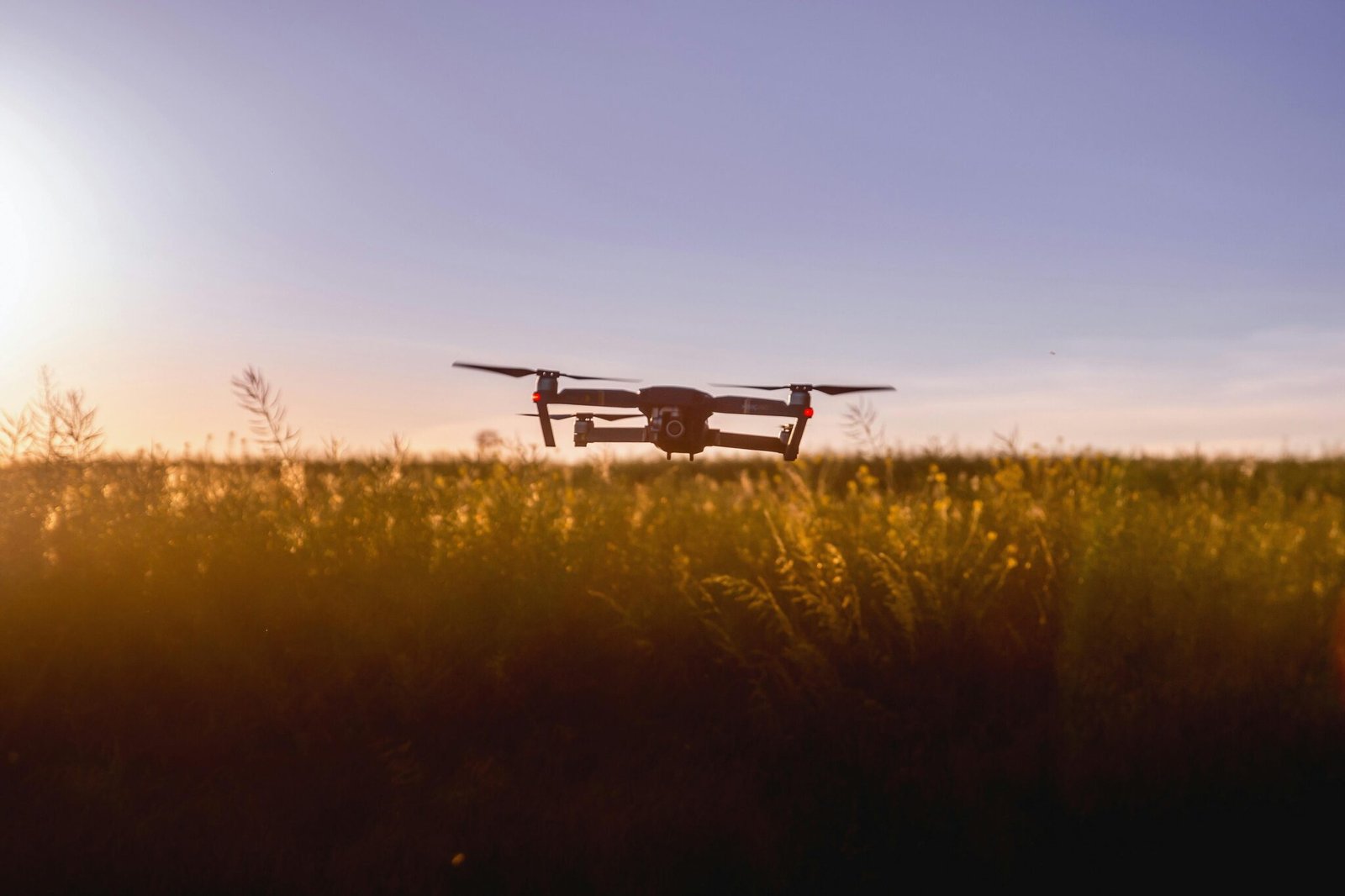




In a landmark display, a drone the size of a small aircraft climbed into the overcast sky in Pucheng, Shaanxi. The Jiutian, developed by AVIC, measures 16.35 meters in length and spans 25 meters from wingtip to wingtip. With a maximum takeoff weight of about 16 tonnes and a 6,000 kilogram payload capacity, it promises long-endurance, high-load delivery, and broad mission flexibility. It can stay aloft for up to 12 hours and cover distances up to 7,000 kilometers in a single flight.
Recent Trends
- Long-endurance civil drones rise
- Modular payloads enable multi-mission uses
- Domestic heavy-lift UAVs gain traction
The flight marks more than a tech demo. It signals a broader push to apply large UAVs to civil uses such as heavy cargo delivery to remote areas, emergency communications, and disaster relief. The aircraft’s modular payload system supports roles from precise heavy cargo drops to disaster response and geographic surveying.
According to AVIC and Xinhua, Jiutian completed its maiden flight in Pucheng, Shaanxi, illustrating the domestic capability to scale a heavy-lift platform for civilian missions. The event in northwest China aligns with national plans to expand the use of large drones beyond defense, into logistics, resource mapping, and public safety.
Design and capability
Key attributes include a large payload, a high operational ceiling, a wide speed range, and short takeoff and landing performance. The 16-tonne MTOW and 6,000 kg payload enable significant cargo carriage on a single mission, while endurance of up to 12 hours supports long-range operations. The machine is designed around a modular payload system that can swap in sensors, equipment, or freight modules to suit different civil tasks.
Civil use scenarios
- Heavy cargo deliveries to remote regions such as mountains or remote mining sites
- Disaster relief operations with heavy payloads and remote comms relays
- Geographic surveying and resource mapping over large landscapes
Industry implications and outlook
Jiutian’s flight signals a step change in the civil drone market. As nations push domestic solutions, the ability to carry heavy payloads over long distances with modular payloads could reshape logistics, construction, and emergency response. In China, AVIC’s progression mirrors a broader trend toward multi-role autonomous aircraft that blend aviation-scale capacity with drone-grade flexibility. For buyers in mining, energy, and public safety, the advent of a true heavy-lift civil UAV expands the range of tasks that previously required manned aircraft or noisy rotorcraft. For readers in the industry, the takeaway is clear: civil heavy-lift drones are moving from concept to contract.
For defense planners and policymakers, the emergence of large civil UAVs raises questions about airspace integration, safety standards, and certification pathways. Regulators in major markets are watching closely how these platforms are tested and deployed. The Jiutian program could influence global standards on airworthiness, remote operations, and payload adaptability.
Conclusion
Jiutian’s maiden flight showcases a path toward scalable, multi-mission aerial systems that blend payload heft with civil flexibility. If the model scales in production, it could become a backbone for heavy-lift civil logistics, disaster relief, and large-area surveying — unlocking previously hard-to-reach routes and accelerating regional development.

















