
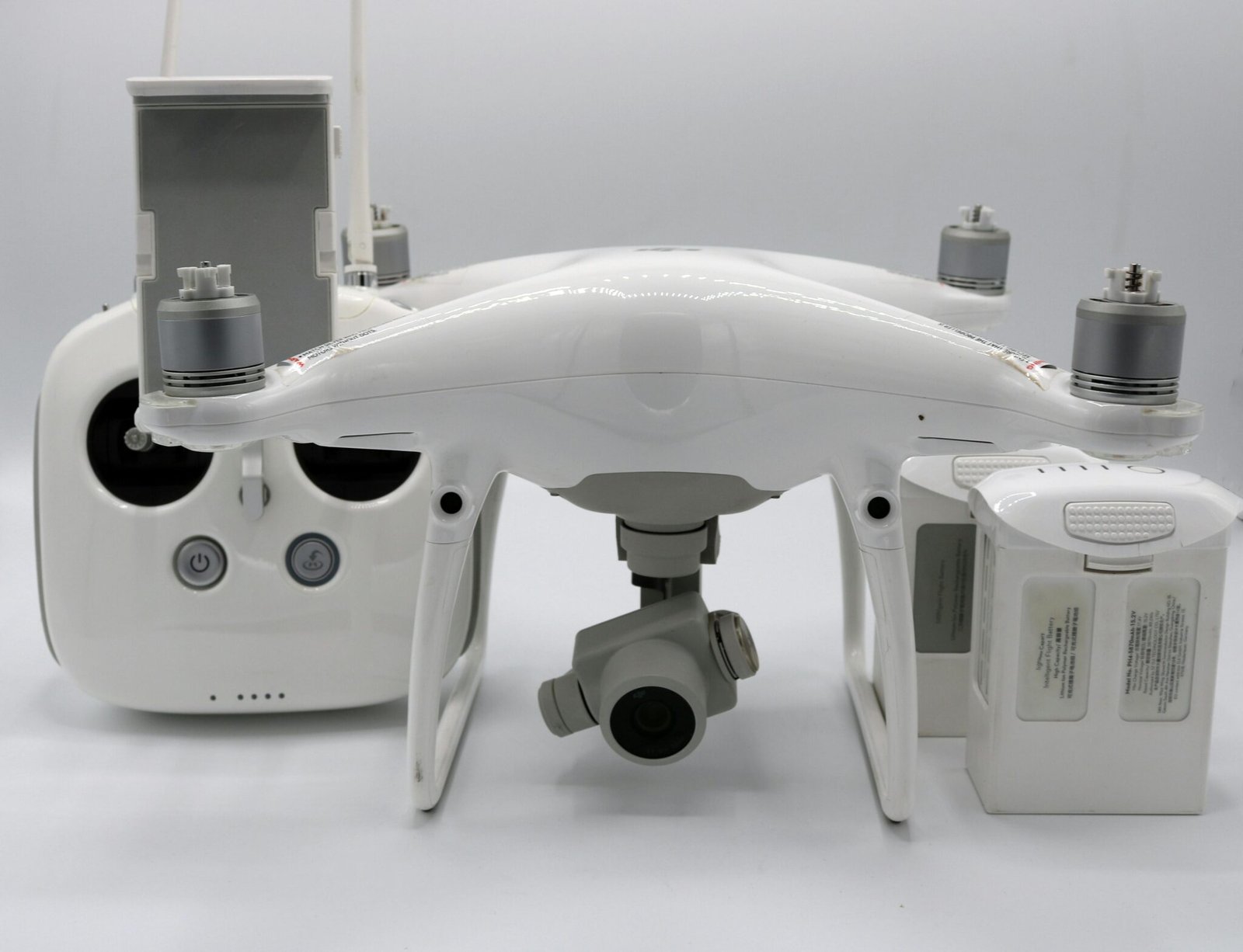




In the drone industry, endurance is the hinge on which mission value swings. When a platform must fly beyond visual line of sight for industrial inspection or public safety tasks, every watt counts. Nokia Drone Networks is moving to shore up that power and reliability by integrating Amprius SiCore batteries into its next generation drone systems.
Recent Trends
- Growing demand for long-range BVLOS missions
- Silicon anode batteries enter mainstream UAVs
- 5G-enabled drone platforms unlock industrial use cases
After extensive qualification and testing, the SiCore cells deliver burst power for takeoff and sustained energy for extended flights. That combination helps keep critical subsystems like obstacle avoidance, return to home, and autonomous payload management powered throughout a mission. The lightweight design and high energy density also support heavier payloads such as LiDAR, thermal cameras, and 5G modules without draining endurance.
In a context where drone-in-a-box solutions aim to be deployed quickly at scale, Nokia’s platform combines 5G connectivity and an open architecture to enable secure BVLOS operations. The Extra Long Range (XLR) capability is designed to extend the reach of automated fleets, making it feasible to cover larger geographic areas with fewer handoffs between pilots.
According to Marketscreener, Nokia described the integration as a step toward more capable, safer, and scalable drone operations. The coverage notes the platform’s ability to pair SiCore energy with a scalable 5G open architecture for remote operations. The Amprius press release on BusinessWire adds context on performance claims and broader applications in aviation and mobility.
Amprius notes cells can reach up to 450 Wh/kg and 1,150 Wh/L, with third-party validation of 500 Wh/kg and 1,300 Wh/L, highlighting the high energy potential behind the collaboration. In practical terms, operators gain longer flight times, more payload flexibility, and the ability to sustain complex sensor suites in real-world conditions, including higher altitude or hot environments.
For Nokia, the move signals a broader strategy around open platforms and mission-critical reliability. By merging SiCore with a 5G capable BVLOS drone platform, the company positions itself to win more public safety and industrial monitoring contracts where reliability and rapid deployment matter. The company’s partnerships across UAVs and advanced mobility show a trend toward electrified air fleets rather than single purpose drones.
From the broader market perspective, the Nokia-Amprius collaboration reflects a shift where energy density and thermal management become gating factors for growth in aerial platforms. Battery developers race to push energy density higher while keeping temperatures under control—critical for safety and performance. For drone makers, these tech strides translate into longer missions, bigger payloads, and fewer midflight power constraints.
Implications for platform developers
Platform designers will increasingly adopt modular power systems that can accommodate different chemistries and energy densities. An open architecture, as Nokia champions, empowers operators to tailor missions to regulatory and field needs whether a city-scale inspection or a critical public safety operation.
Looking ahead, the market may see more collaboration across battery, telecom, and autonomy players to create end-to-end drone solutions. For defense planners, the message is clear: energy-dense, temperature-controlled cells expand the envelope of what is possible in risky environments. For civil operators, the lesson is practical: better batteries directly translate into longer missions, safer operations, and more return on investment.
Conclusion
The Nokia-Amprius collaboration marks a pivotal shift in drone power architecture, signaling a broader move toward energy-dense, reliable, long-range platforms across civil and emergency services. Operators and developers should watch battery innovations closely as they reshape mission design and regulatory timelines.

















