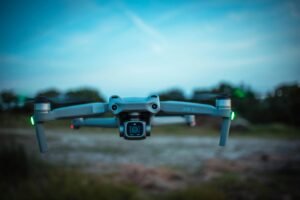



On a windswept tarmac outside a tech hub, a top drone maker laid out a growth plan that reads more like a corporate chess move than a hardware refresh. The company signaled that it will pursue acquisitions to rapidly broaden software, services, and global reach. The move marks a shift from chasing camera specs and flight time alone to building end-to-end platforms that can navigate complex workflows.
Recent Trends
- Rising M&A activity reshapes the drone sector
- AI-driven software integration becomes core value
- Regulatory scrutiny grows around cross-border deals
Industry observers say consolidation helps firms scale data services, fleet management, and autonomy across industries such as inspection, logistics, and public safety. By merging hardware with software and services, these firms aim to lock in customers and create sticky, recurring revenue streams.
According to Bloomberg, the company is weighing acquisitions to fill gaps in software, autonomy, and after-sales networks, signaling a broader strategy to compete with a handful of large, integrated players.
For readers tracking the drone market, the move echoes a broader pattern: as hardware costs fall and data becomes more valuable, the real value lies in platforms that connect sensors, analytics, and field services. In practical terms, a single merger can bring together a flight platform, a suite of AI-powered analytics, and a global service network, creating a more resilient business model than a standalone drone maker could achieve.
Market Context
The drone industry has moved from a hardware-centric cadence to a platform-driven one. Investors are increasingly looking at how a company monetizes data, software updates, and service networks alongside devices. A marquee M&A push signals that players believe scale is essential to defend against price pressure, supply chain volatility, and the need to own end-to-end customer journeys.
In this environment, a few global names are vying to become the operating system for aerial operations. By combining flights, data processing, and cloud-based analytics, the leading firms aim to lock in multi-year contracts across sectors from infrastructure inspection to emergency response. The strategic use of acquisitions is seen as a fast path to gatekeeping data and expanding global service footprints.
Strategic Implications
Operational leverage: Acquisitions can instantly boost software stacks, autonomy capabilities, and service networks. Firms can offer turnkey solutions that span hardware, software, and field operations, reducing friction for customers who want one vendor for multiple needs.
How it translates to customers
Customers may gain access to integrated platforms, improved after-sales support, and longer-term licensing models. However, they should watch for changes in pricing tiers or service terms as platforms converge and new revenue models take shape.
Regulatory risk: Cross-border deals in drones touch aviation, data privacy, and radio spectrum use. Regulators in the US and EU are increasingly scrutinizing how mergers affect competition, data governance, and safety standards. Companies pursuing rapid consolidation must prepare robust compliance and influence-building plans with authorities.
Regulatory & Policy Outlook
Policy makers are focused on ensuring that growth does not outpace safety. Expect more disclosures on data-handling practices, cybersecurity requirements, and open standards to ease interoperability among merged platforms. For defense and public safety users, the question will be how quickly integrations align with evolving standards and certifications.
FAQs
Q: What does drone M&A mean for customers?
A: It often means access to broader platforms, better integration across devices, and simpler procurement. It can also bring changes in pricing as bundled software and services replace standalone hardware.
Q: Will acquisitions affect drone prices?
A: Potentially. If the platform approach drives efficiency and recurring revenue, prices may stabilize or shift as value moves from purely hardware to total operating solutions.
Conclusion
The crowd of drone makers chasing platform leadership is tightening. An aggressive M&A push signals not just ambition but a strategic bet: that the future of aerial data lives in end-to-end ecosystems, not just high-performance hardware. For industry players, customers, and regulators alike, the message is clear: consolidation is accelerating, and the winners will be those who fuse devices with software, services, and scalable operations.