
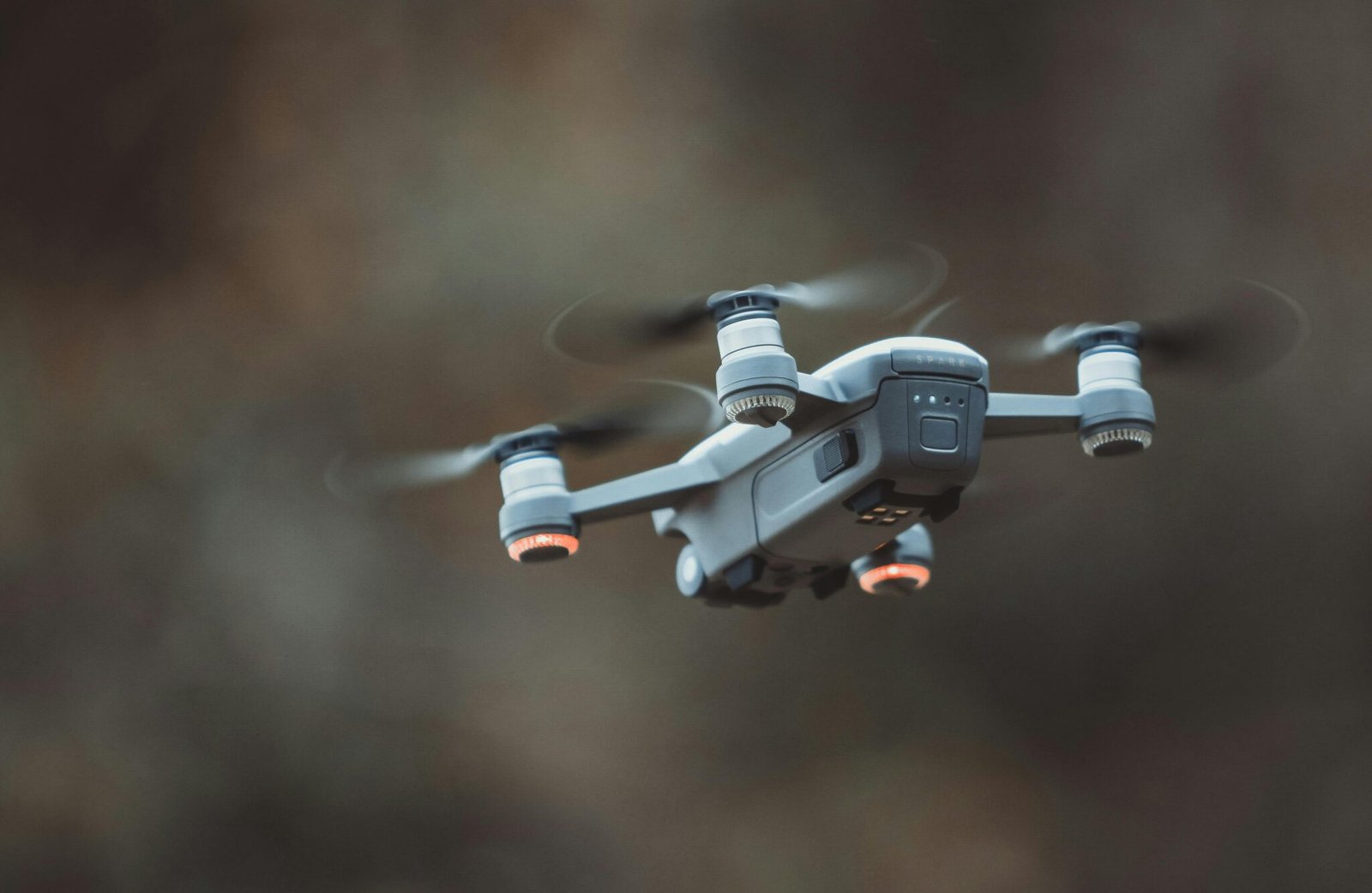




In a world where GPS jams and contested skies are the new normal, quantum tech could redefine how drones navigate, sense, and stay connected. A new collaboration between IonQ and Heven AeroTech signals a shift from standalone hardware to integrated quantum-enabled flight platforms designed for defense and strategic missions.
Recent Trends
- Quantum-enabled drones enter defense programs
- Hydrogen-powered drones extend endurance
- Secure quantum links start field tests
IonQ brings a suite of capabilities spanning quantum networking, sensing, computing, and security. The plan is to weave these technologies into Heven’s autonomous aerial systems, creating secure airborne links, quantum-assisted flight routing, and data fusion that can operate even when GPS is unavailable. The collaboration is framed as a stepping stone toward drones that can endure longer, fly farther, and stay secure in contested airspace.
ExecutiveBiz notes that the partnership focuses on adapting IonQ’s quantum toolkit for Heven’s hydrogen-powered drones, including long-endurance platforms like Heven’s Z1. The goal is to enable not just longer flights but smarter, safer navigation in environments where traditional signals falter. This isn’t theoretical — it aims to turn quantum advantages into practical flight capabilities that can be demonstrated in real-world missions.
According to ExecutiveBiz, Jordan Shapiro, president and general manager of IonQ’s quantum networking, sensing and security business, will join Heven AeroTech’s board. Heven, founded in 2019 and based in Virginia, has built drones targeting multi-hour, long-distance missions with hydrogen fuel cell propulsion. The strategic alignment links IonQ’s compute and security expertise with Heven’s propulsion and endurance focus, signaling a push to combine quantum tech with hydrogen-fueled airframes for defense and security tasks.
For readers tracking the drone market, the fusion of quantum features with hydrogen propulsion suggests a broader trend: drones moving beyond simply flying cameras into platforms that can sustain autonomy, resist jamming, and operate securely over extended ranges. The partnership will drive joint development areas such as secure airborne quantum networks, quantum-assisted flight routing, and quantum-based sensing for navigation and timing. In practice, pilots could see drones that maintain a chain of trust across links and make smarter path decisions in GPS-denied zones, a leap that could redefine how militaries and critical infrastructure operators operate in contested theaters.
Industry observers should note the potential ripple effects. The move toward quantum-enabled airborne platforms may accelerate interest from defense ministries and prime contractors in standardized interfaces and secure protocols, while also attracting scrutiny over export controls and dual-use risk. It could influence procurement strategies, encourage more cross-disciplinary teams, and prompt new regulatory considerations around quantum-enabled avionics and data security in flight regimes. For defense planners, the message is clear: navigation and comms resilience may become as important as propulsion and aerodynamics in next-generation drones.
What This Means for the Drone Industry
The IonQ-Heven collaboration signals a shift from incremental improvements to integrated quantum-enabled autonomy. Hydrogen propulsion remains a powerful enabler of endurance, and pairing it with quantum-grade sensors and secure links could create platforms capable of multi-day missions in challenging environments. If proven at scale, this approach could push other drone makers to explore hybrid powertrains paired with quantum-smart systems to compete in long-range, contested operations.
Technology Implications
- Quantum networking could secure data links against interception and spoofing, a critical capability for military UAVs.
- Quantum sensing may improve navigation where GPS is jammed, using quantum-enhanced timing and inertial data fusion.
- Quantum security features could create hardware-backed protections for flight control software and mission data.
Market and Policy Implications
- Defense programs may prioritize quantum-ready avionics, accelerating R&D and supplier diversification.
- Regulatory scrutiny around export controls for dual-use quantum tech could intensify as capabilities mature.
- Standardization efforts may emerge to enable interoperability of quantum-enabled UAVs across services and vendors.
FAQ
- Will this make drones more expensive? Early-stage integration will add cost, but mass production and standardization could reduce long-term unit prices.
- Could civilian drones benefit? Most current work targets defense, but lessons in secure links and navigation could flow into critical infrastructure and disaster-response applications.
Ultimately, the collaboration underscores a broader trend: quantum technologies are moving from the lab to the air, with real-world impact on endurance, autonomy, and security. For readers and investors, it’s a reminder that the drone industry remains a hotbed of cross-cutting innovation where physics, software, and hardware converge in new ways.
Conclusion
The IonQ-Heven AeroTech deal marks a pivotal moment for quantum-enabled drones. By embedding quantum networking, sensing, and security into hydrogen-powered platforms, the partnership aims to redefine GPS-denied navigation and secure communications in contested skies. As these capabilities mature, expect to see more collaborations that blend advanced quantum tech with long-endurance airframes, reshaping both defense and civilian drone use cases. The era of truly secure, autonomous, long-range drones is approaching, and industry watchers should pay close attention to testing milestones and regulatory developments that will shape adoption.

















