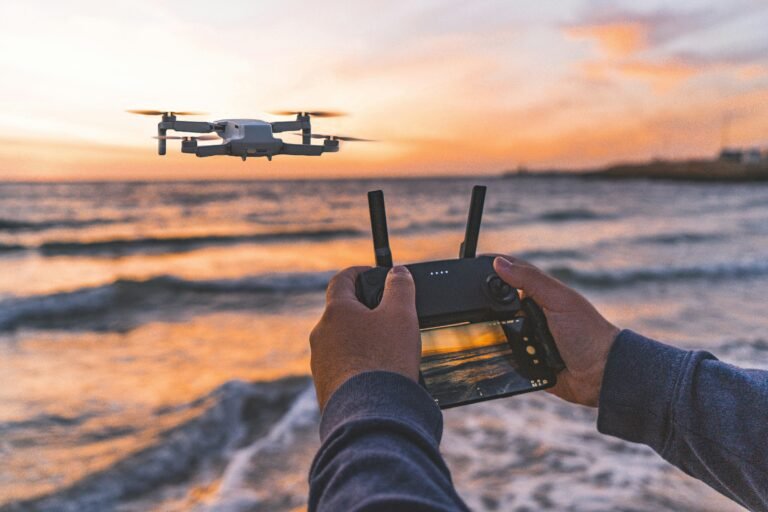



On a bright morning between Llanbedr and Snowdonia, a drone lifted off not with a chorus of batteries but with a steady, clean hum from a fuel cell. This UK trial marks the country’s first BVLOS hydrogen drone flight, powered by Intelligent Energy’s IE-SOAR system. The six‑blade hexacopter, weighing about 25 kg, drew its power from a compact fuel-cell pack and pushed the idea that hydrogen can extend drone endurance beyond what lithium systems typically allow. The scene wasn’t a fantasy test flight; it was a carefully planned mission aimed at proving real-world viability for long-range operations.
Recent Trends
- Growing adoption of hydrogen fuel cells in UAVs
- BVLOS flights enabled by multi-link C2 networks
- Hydrogen power expands long-range drone applications in remote areas
Coordinated by BT with support from aviation systems specialist uAvionix, BVLOS operator Skyfarer, and Intelligent Energy, the mission pushed the drone from Llanbedr, Wales, into Eryri National Park and up to 10 km offshore. The objective was to demonstrate that hydrogen-powered drones can safely operate beyond visual line of sight when matched with a robust command-and-control (C2) framework. For readers following the hydrogen drone story, this test is a meaningful bridge between lab promise and field deployment.
According to Hydrogen Central, the flight showcased a multi‑link approach that blends radio, cellular, and satellite data links to maintain low-latency, high-integrity control. The test centered on a 25 kg hexacopter outfitted with Intelligent Energy’s IE-SOAR fuel-cell module. With the drone taking off from Llanbedr and flying well beyond the pilot’s line of sight, the trial highlighted how hydrogen power and a resilient C2 stack can enable longer, safer missions in demanding environments. This is the kind of integration that defense planners and civil operators are watching closely as BVLOS becomes more common in commercial airspace.
Andy Kelly, Head of Product Line at Intelligent Energy, framed the results as a strong validation of fuel cells for UAV use. He stressed that the IE-SOAR system delivers scalable power, expanding the drone’s range and payload capacity without sacrificing safety. The message was clear: hydrogen power can move UAV operations to the next level, making longer missions feasible while reducing carbon impact. For readers, the bottom line is simple: a hydrogen drone can fly farther, carry more, and refuel quickly, opening new mission profiles in search and rescue, critical infrastructure inspection, and remote logistics.
Hydrogen fuel cells offer far greater energy density than lithium‑ion batteries, meaning longer flights with fewer stops. They also refuel rapidly and emit only water vapour, addressing two persistent concerns for industrial drone use: endurance and footprint. In practice, this could translate to longer survey windows for pipelines in harsh climates or extended coverage for emergency responders operating in rugged terrain. The lead takeaway is practical: hydrogen-powered UAVs could perform multi‑hour missions that battery-only systems cannot sustain.
Beyond endurance, the trial underscored how a well‑architected C2 system can support safe, reliable BVLOS operations. The IE-SOAR system is designed to deliver 800 W to 2.4 kW of power across platforms, with manufacturing anchored in Intelligent Energy’s Loughborough site and part of the UK’s growing East Midlands hydrogen technology cluster. The collaboration with BT’s Future Connected Solutions and SkyLine’s standardised links demonstrates how industry, telecoms, and aviation stakeholders are converging to make long-range, zero‑emission drone missions a practical reality for civil and industrial users alike.
For readers and practitioners, the broader implication is clear. If hydrogen-powered drones can fly farther with safer, more reliable links, the doors open to rapid, carbon-free response in disaster zones, offshore inspections, and last‑mile deliveries to remote communities. It also signals a regulatory and certification path moving toward real-world services rather than isolated demonstrations. As hydrogen technology scales and modular power units become more common, more operators will test BVLOS with confidence rather than speculation.
In the words of BT’s Dave Pankhurst, Future Connected Solutions Director, the Drone Connect Demo Day in Snowdonia showcased how layered connectivity and hydrogen power can enable longer, zero‑carbon flights in challenging environments. The business implication is straightforward: when you can fly farther on clean power and stay connected through multiple links, you unlock new service models that were previously impractical or too costly.
In sum, Intelligent Energy’s IE-SOAR-powered hydrogen drone trial marks a meaningful inflection point for UAVs. The combination of superior energy density, rapid refueling, and resilient C2 architecture offers a tangible path to long-range operations that are both practical and sustainable. Expect this to accelerate collaborations across aviation tech, telecoms, and logistics, with more pilots and operators exploring BVLOS missions that can reach deep into remote territories.
Conclusion
The UK’s first long-range hydrogen drone BVLOS trial is more than a single test. It’s a blueprint for how fuel-cell UAVs can extend reach, expand mission profiles, and operate safely in complex environments. For emergency response teams, utilities inspectors, and parcel operators, the horizon looks longer and greener as hydrogen power moves from concept to field deployment.
Sub-title
Hydrogen-powered UAVs are shaping a new era of long-range drone operations with practical, real-world applications.
Sub-title
As networks blend radio, cellular, and satellite links, BVLOS missions become safer and more scalable for civilian and industrial use.