
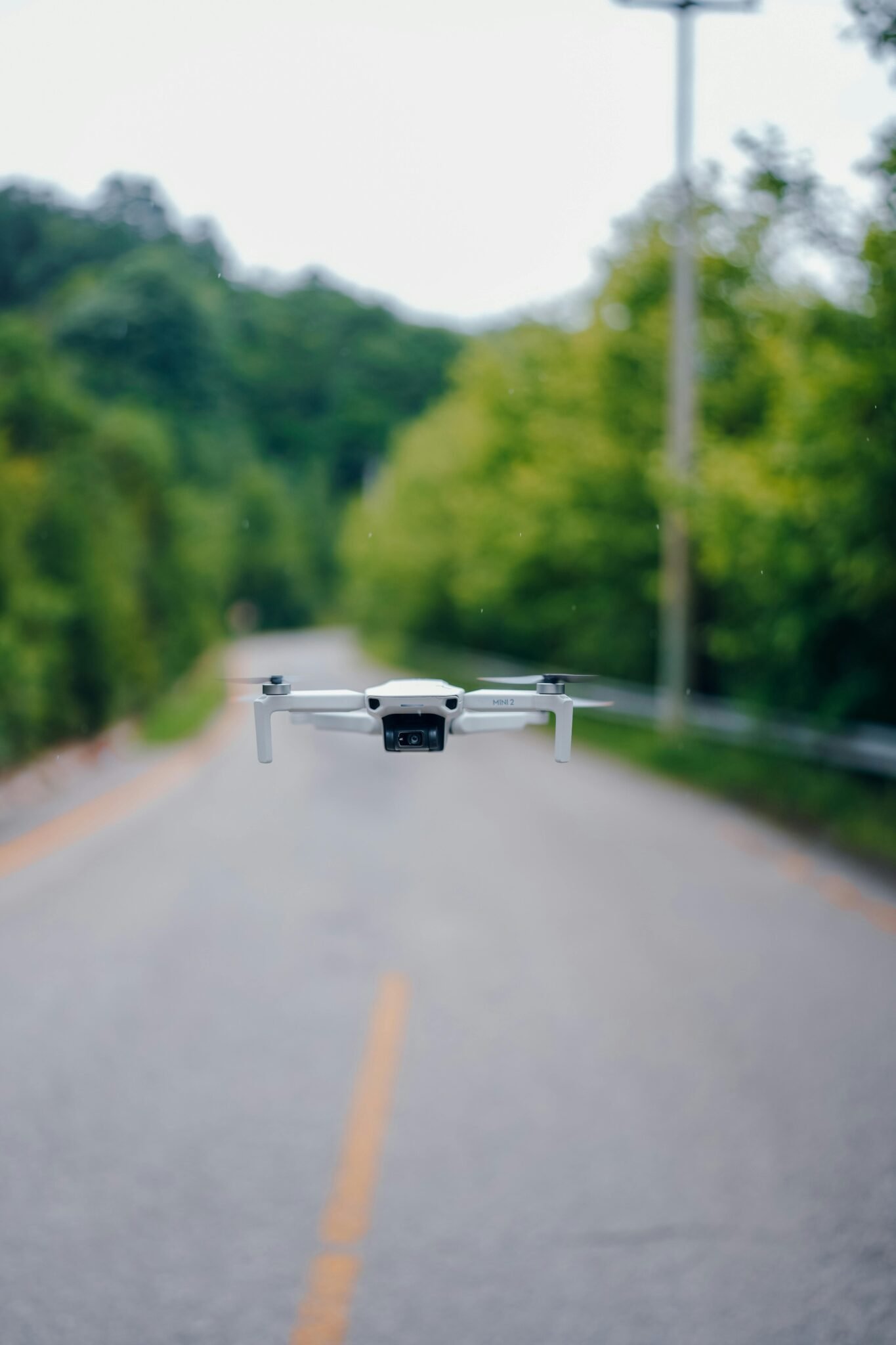




UAE launches ultra-fast autonomous drone deliveries
In a desert dawn, a drone skimmed over an urban skyline, delivering a parcel in minutes rather than hours. The UAE is testing a new model of last‑mile logistics that could reshape how e‑commerce reaches homes and businesses.
Recent Trends
- Autonomous delivery pilots gain momentum in the GCC
- Airspace integration and safety standards advance
- Retailers test island and rural drone deliveries
At DriftX — a showcase for smart and autonomous tech during Abu Dhabi Autonomous Week — Noon Minutes staged a live demonstration. Visitors could place an order on a touchscreen and watch a drone deliver the item within 15 minutes. Noon highlighted a broad catalog including food, toys and personal care products. The rapid prototype-to-pilot arc showcases how far drone logistics has progressed from experiments to real offerings.
According to Khaleej Times, Noon demonstrated the system at DriftX during Abu Dhabi Autonomous Week. The setup signals intent to scale from airfield trials to citywide service, and possibly to remote zones where conventional delivery is challenging.
The delivery stack is built by a trio of local tech players. The autonomy software comes from the Technology Innovation Institute (TII). SteerAI provides the fleet management that routes each flight in real time, while LODD handles the drone hardware and operational monitoring. Noon’s leadership frames the project as a path to faster service with a smaller environmental footprint, aiming to reach not just city centers but islands, farms and new residential areas.
Customers would access the service through the Noon Minutes app, selecting drone delivery as an option. Real‑time tracking allows buyers to see the journey from warehouse to doorstep. The program covers a broad mix of items, showing how an autonomous model could orbit around groceries, personal care items and small consumer goods. In short, the concept is a practical extension of Noon’s fast‑delivery ethos into aerial corridors.
The UAE case sits within a broader push to position the country as a hub for autonomous mobility and smart city infrastructure. If the pilot proves reliable and safe, it could reshape urban planning and employer strategies in logistics. The move also raises questions about airspace management, safety protocols, and how the public perceives aircraft moving over populated areas. Still, the momentum suggests a shift toward high-frequency, low‑latency delivery that reduces traffic and speeds commerce.
For industry watchers, the initiative signals more than a single pilot. It shows how partnerships between a retailer, a national research institution, and technology firms can de‑risk early deployments. Regions watching medium‑term outcomes will be evaluating cost structures, insurance frameworks and the ability to scale without disruptions to everyday life. In the Middle East and beyond, other retailers may follow with similar autonomy playbooks, especially where e‑commerce growth outpaces traditional logistics networks.
From a policy perspective, regulators will weigh the balance between rapid delivery and public safety. UAE authorities have already shown openness to testing new aerial logistics models, provided there are robust safety checks and clear airspace rules. If Noon’s 15‑minute model proves durable, it could influence how nearby markets approach automated deliveries and how airspace is allocated for commercial drones.
What makes this possible
The project rests on three pillars: an autonomous flight layer from TII, a fleet‑management brain from SteerAI, and reliable drone hardware from LODD. The combination is designed to handle variability in wind, battery performance, and urban obstacles while maintaining precise timing. In practical terms, that means orders can move from warehouse to customer in minutes, with automated routing continuing to learn from each flight.
For operators, the key advantages include faster delivery windows, improved predictability, and the possibility of serving low‑density or hard‑to‑reach areas where last‑mile riders face cost and safety constraints. For customers, the promise is simple: orders arrive quickly, tracked in real time, with less friction than conventional courier options.
How the tech stack fits together
- TII powers autonomous decision making and obstacle avoidance — the “brain” behind flight paths.
- SteerAI coordinates fleets in real time, balancing demand, weather, and airspace constraints.
- LODD ensures hardware reliability and ongoing monitoring of the drone platform.
What it means for consumers and businesses
For consumers, this is a taste of near‑instant delivery with safety checks baked in. For retailers, it offers a new channel to reach customers, especially in markets where traditional delivery costs are high or response times are critical. The model could support perishable goods, emergency supplies, and even time‑sensitive promos where faster fulfillment creates a competitive edge.
FAQ
Q: How does the 15‑minute window work?
A: The system synchronizes warehouse dispatch, drone routing, and last‑mile handoff using an autonomous flight stack and real‑time fleet management. Drones fly optimized routes, maintain safe distances, and report status back to the customer app.
Q: Will this rollout be nationwide or pilot only?
A: At this stage, the program is a pilot designed to test reliability, safety, and customer acceptance before broader expansion.
Q: What products are eligible?
A: Early trials include food, toys and personal care items. The catalog will expand as the system proves stable and scalable.
Conclusion
The Noon pilot illustrates a broader shift in logistics: the last mile is becoming a space for automation, not just human labor. If successful, the approach could compress delivery times, reduce urban congestion and unlock new business models in e‑commerce. The UAE’s ecosystem — including TII, SteerAI and LODD — showcases how cross‑sector collaboration can accelerate real‑world adoption of autonomous drone delivery. For industry watchers and policy makers, the message is clear: the future of fast, safe, and scalable delivery is not only possible, it is unfolding now.

















