





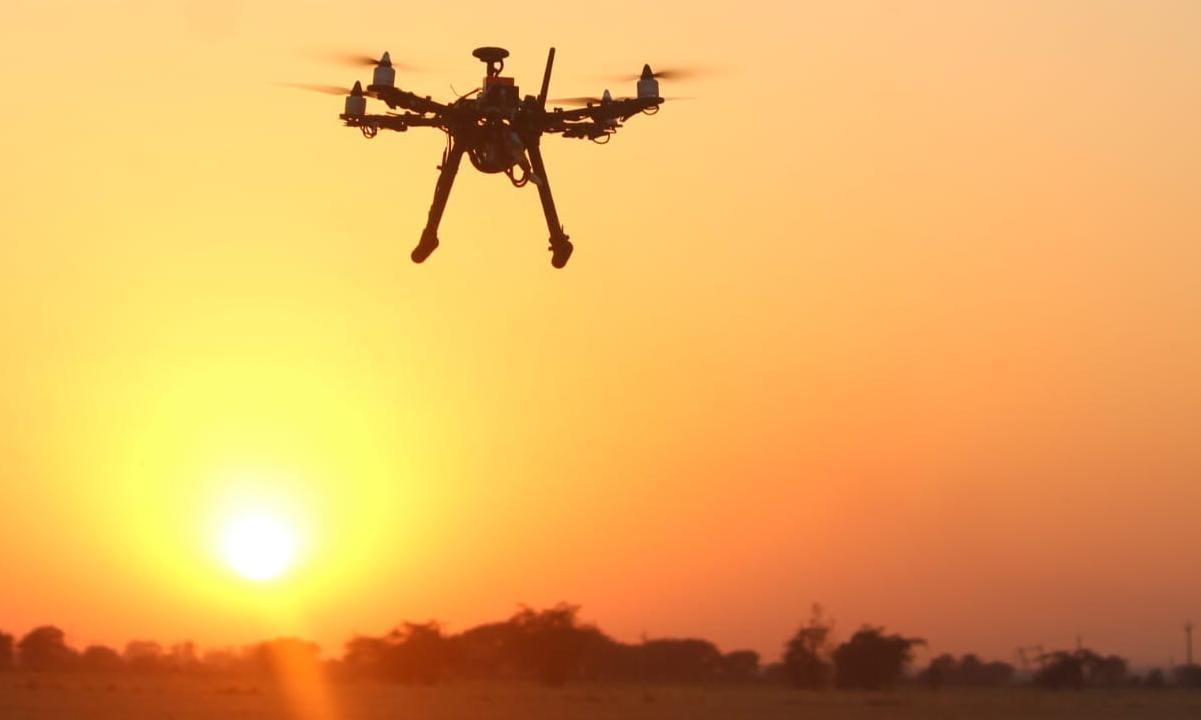
On wind farms scattered across India’s western plains and central plateaus, drones do more than snap pictures. They act as a moving health check for assets that are costly to reach and hard to monitor. DroneMaster, powered by a data-driven approach, is positioning drone asset management as a core capability for renewables and security alike. The result is faster inspections, earlier fault detection, and lower operating risk for large-scale energy projects.
Recent Trends
- Indigenization of drone hardware accelerates in India
- AI-powered analytics lift maintenance efficiency
- Renewable energy assets increasingly rely on aerial data
At the heart of DroneMaster is WiseView, a proprietary analytics platform that ingests data from drones equipped with optical, thermal, and LiDAR sensors. The software slices and dices streams in real time, translating flight data into actionable insights. For asset managers, this means early fault detection, precision maintenance, and a dramatic cut in inspection time. Drones can cover turbine rotors, grid tie lines, and solar field boundaries in a single sortie, with results fed into maintenance calendars and risk dashboards. For defense planners and energy operators alike, the implication is clear: you can de-risk capital-intensive sites with smarter aerial intelligence.
According to Deccan Chronicle, DroneMaster began as an in-house division within POWERCON Group in early 2022. By mid-2025, the unit had evolved into a standalone company, DroneMaster Aerial Technologies Private Limited, expanding its reach across India’s wind and solar heartlands. The reporting highlights a trend that many in the sector are watching: analytics-led asset management is moving from a nice-to-have to a necessary capability for reliable renewables operations. For managers on the ground, the message is unmistakable: data-driven inspection and maintenance are redefining how quickly you can respond to asset health signals.
A key differentiator for DroneMaster is its push to indigenize drone hardware under the Make in India initiative. The company is developing modular, cost-efficient drones locally to reduce dependence on imported components, which historically cost upwards of ₹25 lakhs per unit when sensors and batteries are included. The strategy aims to lower total cost of ownership while boosting supply-chain resilience for energy projects that operate in remote or harsh environments. The indigenization effort is not just about cost; it is about scale, after-sales support, and faster iterations tied to local compliance and standards.
Today, DroneMaster supports a diverse client roster that includes global government agencies and renewable energy operators. Its presence stretches across western, central, and south-eastern India — regions that offer some of the country’s strongest wind and solar potential. Beyond renewables, the company has supported high-security surveillance for government entities and is actively testing agricultural applications such as seed dispersal and targeted pesticide spraying, as well as coastal rescue operations. These tests illustrate how aerial intelligence can transcend a single use case, turning drones into multipurpose tools for national priorities.
For POWERCON and the wider industry, the integration of WiseView with indigenized drones represents a strategic leap in advancing India’s renewable energy ecosystem. The approach aligns with policy aims to strengthen domestic capabilities while expanding asset reliability, safety, and overall sector resilience. The lessons are meaningful for asset owners that are weighing whether to adopt drone-based inspection programs at scale: unify data streams, leverage real-time analytics, and support a domestic supply chain that can evolve with the market.
WiseView: Turning drone data into asset health
WiseView links camera feeds, thermal images, and LiDAR scans into an integrated health metric for each asset. It translates sensor data into intuitive dashboards that technicians can use in planning and executing maintenance. In practice, operators see patterns: a rotor blade shows microcracks with a thermal anomaly, or a solar farm section reveals subtle shading from turbine shadows. The clarity speeds decision-making and reduces unnecessary site visits. This capability is what makes drone asset management not just about inspection, but about predictive maintenance and risk reduction.
Indigenization and Make in India push
The domestic hardware push matters because it broadens the vendor ecosystem, improves service response times, and cushions operators from currency and supply shocks. DroneMaster’s modular drones are designed to be adaptable across sensor suites and operating conditions, lowering entry barriers for smaller operators while giving larger projects a scalable platform. The result is a more robust drone asset management toolbox that aligns with national goals of self-reliance and export readiness.
Policy, economics and market implications
Analysts say policy support for Make in India drones, combined with the rising availability of AI-enabled analytics, is reshaping the economics of asset management in renewables. By reducing inspection intervals and extending asset life, drone asset management can improve project returns, especially for offshore wind or remote solar parks where manual oversight is expensive. For energy developers, the takeaway is practical: invest in a data backbone first, then layer on specialized drone hardware and domain-specific analytics. This approach sharpens competitiveness in a crowded market and accelerates the transition to sustainable infrastructure.
Finally, the broader adoption of drone asset management could influence how regulators assess asset integrity and safety requirements. A move toward standardized data formats, interoperable analytics, and domestic drone supply chains could simplify compliance while driving innovation. For readers and practitioners, the core message remains: aerial intelligence is not a cost center; it is a strategic asset that pays back through reliability, efficiency, and safer operations.
Conclusion

















