
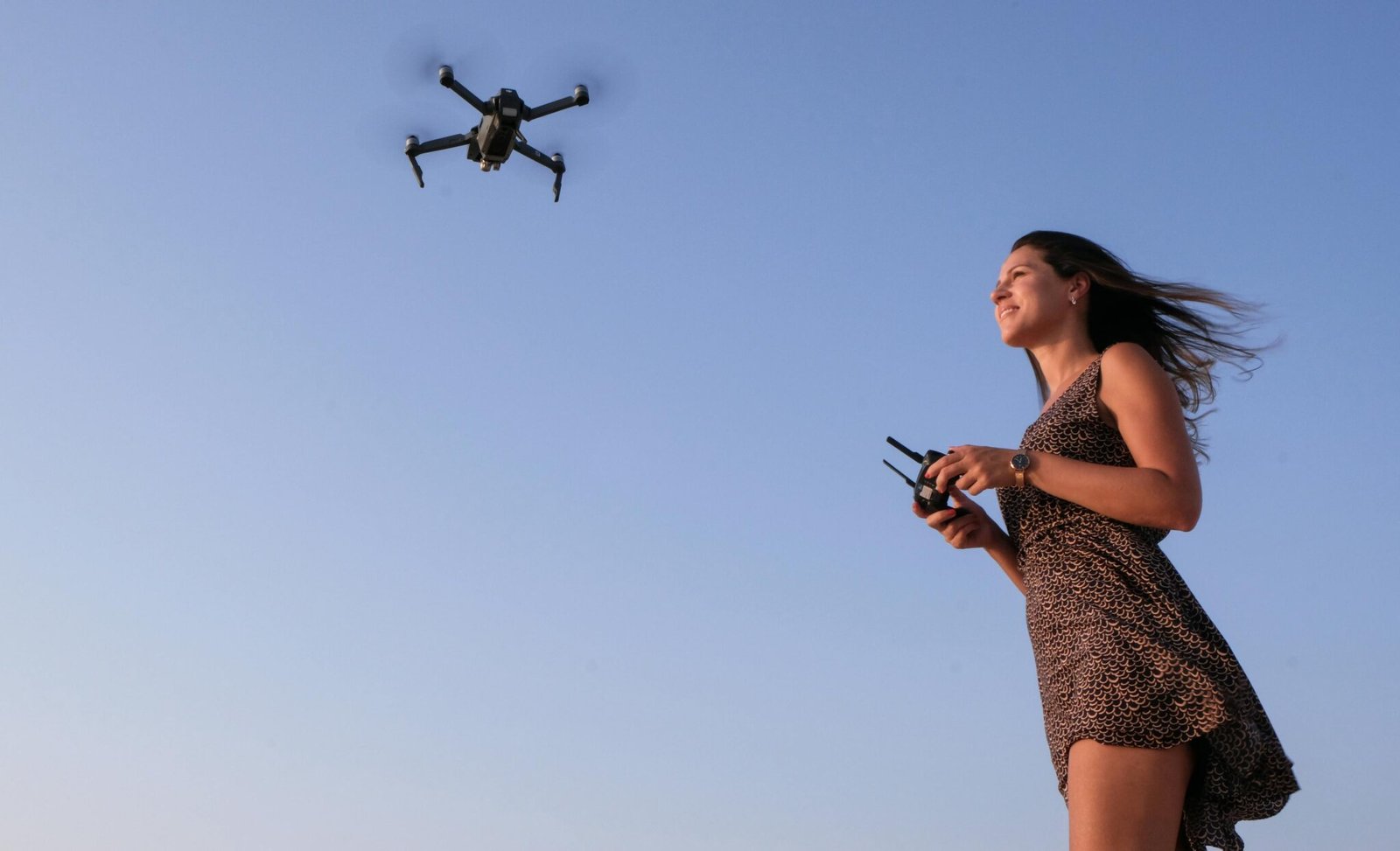




A dusty field in Karnal is becoming a gateway to the drone economy. Thirty-six women have begun the first hands-on phase of the Drone Didi program, marking a practical step toward mixing tech skills with farm livelihoods. The training unfolds at DRIISHYA, the state-backed hub designed to translate classroom learning into real-world drone use on farms and fields.
Recent Trends
- Women-led drone programs grow in agritech
- DGCA aligned training expands to SHGs
- State-backed drone hubs scale hands-on skills
Split into two groups of 18, the inaugural cohort targets two districts in Haryana: Karnal and Kurukshetra. The initiative is structured to escalate from basic flight control to more complex tasks, including maintenance and field deployment. At the heart is a belief that women from self-help groups can become revenue generators by plugging drones into agricultural activities.
Hands-on training with real-world applications
Beyond the basics of piloting, the curriculum covers drone maintenance, battery management, and field-ready tasks. Trainees learn how drones can monitor crop health, map fields, and, crucially, spray pesticides or nano nutrients with precision. This practical focus helps ensure that the training translates into tangible income opportunities after certification.
DGCA-aligned certification and field readiness
Officials emphasize that the program includes Director General of Civil Aviation (DGCA) approved drone pilot certification training. This linkage ensures that the skills taught meet national safety and regulatory standards, a critical step for eventual scaling to wider markets. Trainees gain hands-on experience under supervision, preparing them to operate commercially in agricultural settings or allied industries.
Uttam Singh, Deputy Commissioner-cum-Additional CEO of DRIISHYA, frames the program as a model of inclusive tech adoption. He notes that the Haryana government’s aim is to empower women while building a sustainable tech-enabled rural economy. Phool Kumar, CEO of DRIISHYA, adds that the program blends empowerment with practical, income-generating training, giving participants a clear path from learning to earnings.
According to The Tribune India, the state’s vision for Drone Didi extends well beyond 36 pilot trainees. The broader plan aims to train 5,000 women from 500 SHGs, with a focus on both drone operation and agricultural deployment. The program’s scale signals a wider push to nationalize drone-enabled farming as a mainstream tool rather than a niche capability. This ambition aligns with a growing policy preference for hands-on, tech-based livelihoods in rural areas.
For defense planners and industry watchers, the Haryana effort offers a real-world test case for how government-backed drone hubs can seed an ecosystem: training centers, maintenance pipelines, and service models that connect rural communities to a high-tech jobs ladder. The DRIISHYA model is already drawing comparisons with other state-led initiatives that pair public funding with private training standards to accelerate skill development in emerging industries.
What makes the Drone Didi program notable is not only the scale but its practical design. By pairing two districts in the first batch, Haryana is testing logistics—from secure drone storage to safe field operations and supervised spray applications. The emphasis on agricultural use cases shows how drones can become a tool for crop scouting and precision farming, potentially reducing chemical use and increasing yields when deployed responsibly.
As the curriculum evolves, beneficiaries will likely accumulate a portfolio of activities: field mapping, crop health assessment, targeted spraying, and drone maintenance. Those competencies can later support entrepreneurship, cooperative business models, or pilot roles in agri-tech firms. The program’s success will hinge on sustained mentoring, access to drones and spare parts, and a regulatory environment that keeps pace with rapid tech changes.
In the broader market, Haryana’s Drone Didi initiative signals an expanding appetite for public-private collaboration in drone training. Private providers may seek collaboration with DRISHYA-style hubs to offer more specialized modules or expand to other districts. For women and rural communities, this means more entry points into a growing sector that combines technology with agriculture, logistics, and services. The key question going forward is how many graduates will secure steady work, how quickly the program scales, and what metrics will define its long-term impact on incomes and gender parity in rural India.

















