
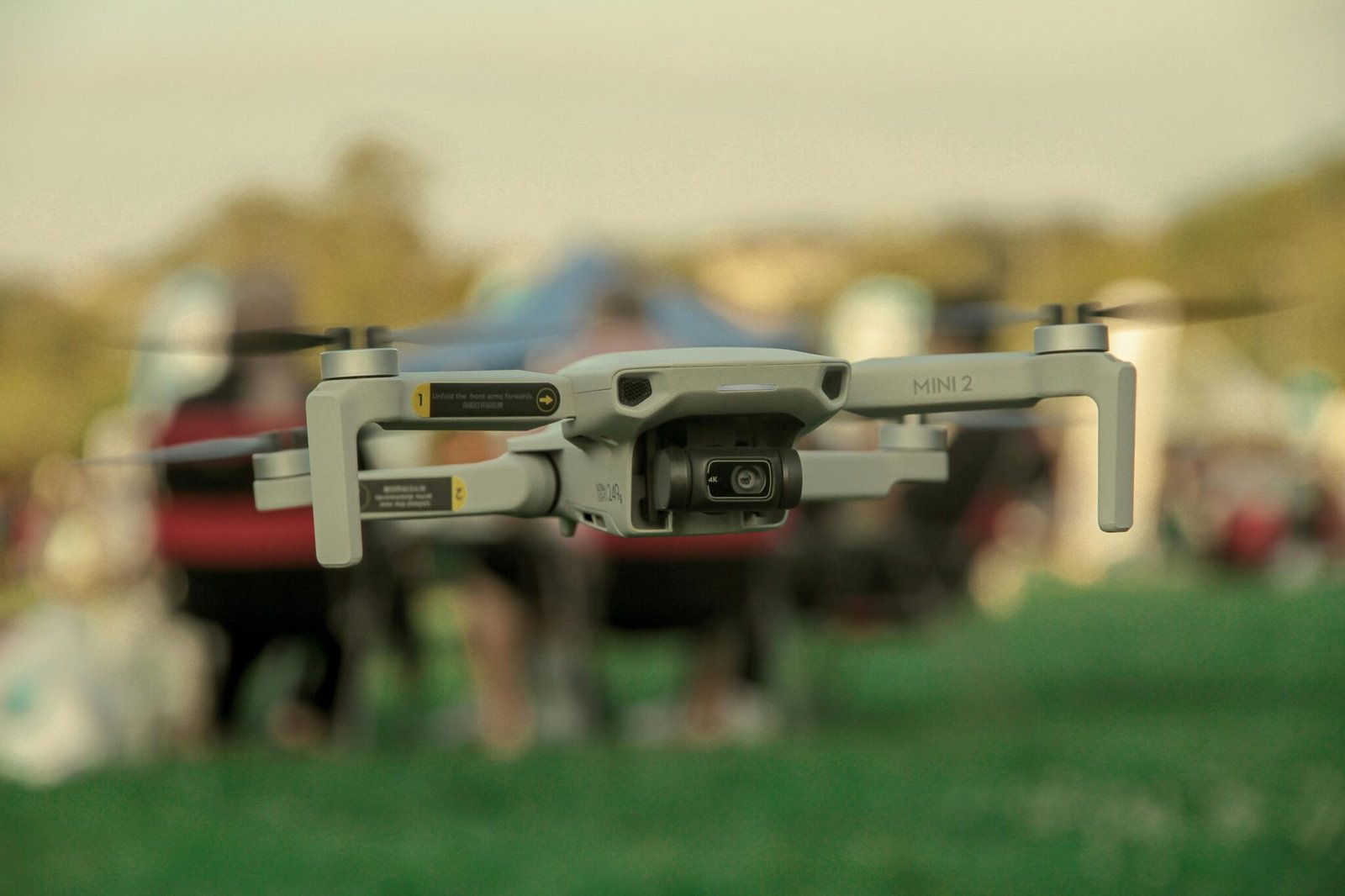




At first light, a wind farm becomes a stage for quiet precision. A drone glides along the row of towers, its sensors stitching a high-fidelity map of blade surfaces and tower joints. The scene is a microcosm of a broader shift: autonomous inspection moving from niche capability to core workflow. This week an interesting development is that more operators are pushing autonomous inspection missions with AI that flags anomalies in real time. This daily news briefing tracks what that shift means for asset owners, service providers, and regulators, and why it matters for the wider drone economy.
Recent Trends
- BVLOS flight approvals expanding across regions
- AI-driven anomaly detection becoming standard in inspections
- Payload integration enabling multispectral and thermal data in a single flight
Autonomy is no longer a buzzword; it is a design principle. The push toward autonomous inspection lowers costs, speeds up decision-making, and reduces human risk on hazardous sites. Operators are moving beyond simple waypoint flights to missions where the aircraft can interpret data on the fly, decide where to look next, and pause for deeper scans when it spots something unusual. In practical terms, this means fewer re-fly iterations, tighter asset health analytics, and faster maintenance cycles for assets like electrical transmission lines, offshore platforms, and solar farms. The keyword here is autonomy, but the benefit comes from a carefully layered stack: reliable flight control, robust sense-and-avoid capabilities, and on-board AI that prioritizes critical findings.
In tandem with autonomy, payload integration is reshaping what a single drone can do. Modern fleets commonly carry a mix of high-resolution RGB cameras, multispectral sensors, and thermal imagers in one flight. This multipayload approach enables operators to capture structural details, moisture or thermal anomalies, and vegetation indicators in a single pass. The result is richer datasets and faster field-to-report conversion. For example, a wind turbine inspection can simultaneously assess blade erosion, core temperatures, and moisture intrusion around gearboxes. The efficiency gains are not merely about saving flight time; they are about turning scattered sensor streams into actionable insights quickly, which is crucial for preventive maintenance and risk management.
From a policy angle, the regulatory environment is gradually catching up to these capabilities. Regulators in North America and Europe are refining BVLOS (beyond visual line of sight) pathways to support larger, more dispersed inspection campaigns. This is where drone regulation plays a pivotal role: clear waivers, standardized safety cases, and interoperable pilot programs reduce friction for industrial operators who depend on timely inspections. Additionally, data governance and privacy rules are becoming more prominent as fleets expand and sensors collect more contextual information around critical infrastructure. For operators, the practical takeaway is simple: align operations with evolving BVLOS and data rules now to avoid bottlenecks later.
For asset managers, the message is clear: incorporate autonomous inspection into the digital backbone of asset health. A mature autonomous workflow integrates flight planning, real-time data processing, and automated reporting. When anomalies are detected, the system generates prioritized work orders and routes maintenance teams accordingly. This pipeline reduces what was once a multi-department, multi-day process into a near real-time decision loop. In addition, the shift drives new business models around as-a-service offerings for inspection fleets, spurring competition among service providers who want to own and operate end-to-end solutions rather than just sell hardware.
To ground these trends in real-world practice, note that several utilities and energy operators are actively testing broader autonomous inspection programs within regulated frameworks. These tests emphasize safety, repeatability, and data fidelity. Meanwhile, hardware and software vendors are racing to normalize the combined payloads and AI tools into user-friendly interfaces that require minimal specialized training. The result is a more accessible path for traditional asset owners to adopt advanced drone capabilities without abandoning their existing risk management processes. This convergence—autonomy, payload flexibility, and regulatory clarity—signals a turning point for the market.
What this means for readers
This week’s developments illustrate how autonomous inspection is reshaping operational workflows. For practitioners, the takeaway is practical: invest in interoperable payloads, build a data-driven inspection playbook, and engage early with regulators to secure BVLOS routes that fit your asset map. For engineers, the frontier is smarter AI that can interpret contextual cues and suggest remedies, not just collect data. And for policymakers, the trend underscores the need for clear safety frameworks that keep pace with rapid tech adoption while protecting critical infrastructure and data security.
Examples and implications
- Autonomous inspection reduces exposure to risky environments, improving safety metrics for gas pipelines and offshore platforms.
- Payload integration expands the value of each flight, enabling faster incident response and ongoing asset health monitoring.
- Regulatory progress on BVLOS corridors directly correlates with reduced project timelines and total lifecycle costs for inspection programs.
In summary, this week’s insights point to a future where autonomous inspection is a standard capability across industrial sectors. The convergence of smarter AI, versatile sensors, and clearer regulation is lowering barriers and redefining what a drone program can deliver. As markets scale, the players who invest early in integrated, data-driven workflows will win the competition for efficiency, safety, and reliability. This is not hype; it is a practical shift in how infrastructure is watched, maintained, and improved.
Conclusion
The rise of autonomous inspection marks a decisive shift in the drone industry. By combining AI-driven analysis with multi-sensor payloads and more permissive BVLOS rules, operators can inspect larger asset bases faster, safer, and with richer data. This weekly update highlights a clear trend toward integrated, decision-ready workflows that turn drone data into tangible maintenance actions. For readers, the takeaway is to lean into interoperable payloads, tighten data governance, and monitor regulatory developments that unlock longer, more productive flight campaigns. Looking ahead, expect more end-to-end inspection platforms that blend flight, sensing, and analytics into seamless, repeatable processes that cut downtime and extend asset lifespans.

















