




Canada is widening the choke on unmanned flight by sanctioning Russian drone makers and a maritime network linked to their shipments. The move signals a sharper turn in how Western allies police the global drone supply chain. For drone operators and manufacturers, it heightens compliance costs and raises questions about where next the line will be drawn.
Recent Trends
- Drone supply chains tighten
- Export controls rise
- Regulatory influence grows
What the sanctions cover
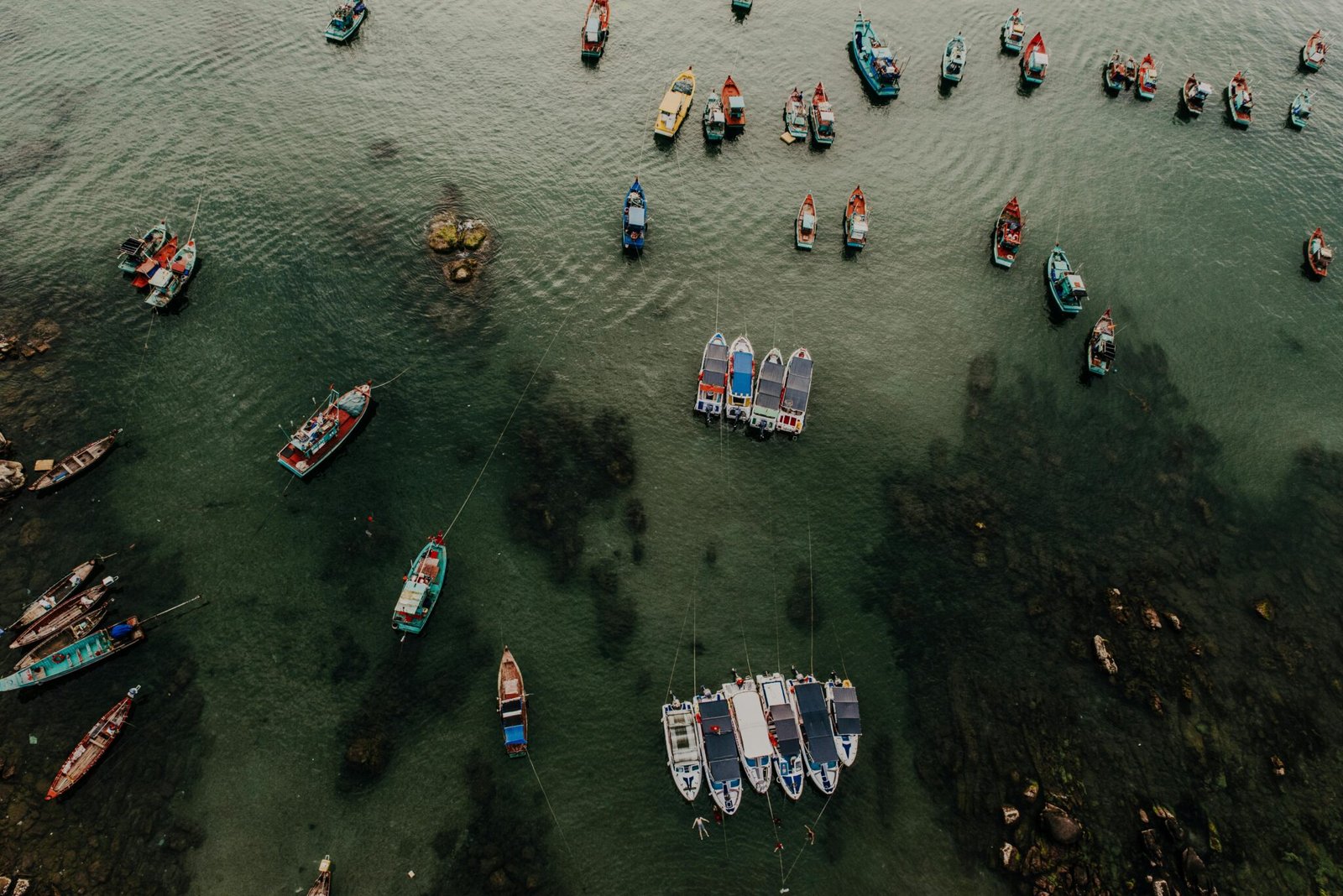
The measures from Canada block access to its markets and financial systems for a list of Russian drone developers and related entities. In addition, Ottawa is targeting a group of maritime assets linked to the shipments of unmanned systems, colloquially referred to by some observers as the “Shadow Fleet”. The intent is to choke off the flow of components, software and capital that support Moscow’s drone programs, while signaling a clear stance against evasion of existing sanctions.
Analysts say the action fits into a broader Western strategy to tighten the screws on Russia’s military tech ecosystem. By expanding the web of restricted parties and vessels, Canada aims to reduce the risk of sanctioned technologies slipping through the cracks via third-country intermediaries. The new measures also place greater scrutiny on suppliers and distributors who might otherwise route restricted items around controls.
According to Bloomberg, the sanctions target Russia’s drone developers and a network of ships tied to the so-called “Shadow Fleet” that observers have traced to moving drone-related components and equipment. The reporting highlights how spare parts and specialized software can cross borders under the cover of legitimate maritime commerce, complicating enforcement and risk assessments for global drone players.
Implications for the drone industry
For global drone manufacturers, the policy underscores the continuing importance of export controls and screening in average operations. Companies outside Russia–including Canadian and other Western firms–face heightened diligence requirements when dealing with any supplier tied, even loosely, to sanctioned entities. That means more robust end-use checks, enhanced diligence on supply chains, and potentially longer sales cycles for certain platforms and payloads.
In practice, the sanctions could shift procurement patterns. Buyers may favor vendors with transparent supply chains and robust compliance programs, while some Russian suppliers may pivot toward non-Western markets or seek alternative financing routes to keep R&D and production running. The move also spikes risk estimation for insurers and lenders who cover drone programs, adding a layer of cost to asset deployment in sensitive regions.
Policy context and forward look
Canada’s action aligns with parallel moves by the United States and European partners who have pressed hard on drones tied to both offensive capabilities and dual-use technologies. The broadened list of restricted entities and vessels sends a message: sanctions enforcement now includes not just the end product but the entire industrial chain that makes unmanned systems possible. For defense planners and civil operators, the trend is clear: compliance is no longer a back-office concern but a core operational discipline that shapes market access and technology development.
For Canada-based businesses and international suppliers, the lesson is practical: validate counterparties, track shipping routes with greater granularity, and invest in compliance infrastructure. The cost of getting it wrong isn’t just fines; it can mean losing access to critical markets or partners at a time when the drone industry is expanding into logistics, inspection, and public-safety missions.
FAQs
- What exactly is being sanctioned?
- The Canadian government is restricting Russians drone developers and related maritime operations linked to the so-called Shadow Fleet, aiming to block market access, financing, and the movement of restricted components.
- How might this affect global drone supply chains?
- Expect tighter screening, longer lead times, and higher compliance costs for firms dealing with Russian tech or vessels connected to its supply chain.
- Is this part of a broader trend?
- Yes. The measures reflect a coordinated, growing effort among Western allies to constrain drone technology flows and to close loopholes that could bypass sanctions through third-country intermediaries.
Conclusion
The sanctions mark another step in the deliberate tightening of the unmanned aerial ecosystem. While aimed at Russia, the policy reshapes how manufacturers, suppliers, insurers and buyers manage risk in a frontier of rapid innovation. For the drone industry, the message is unmistakable: governance, traceability, and compliance will determine who can participate in this vibrant market—and at what pace.

















