
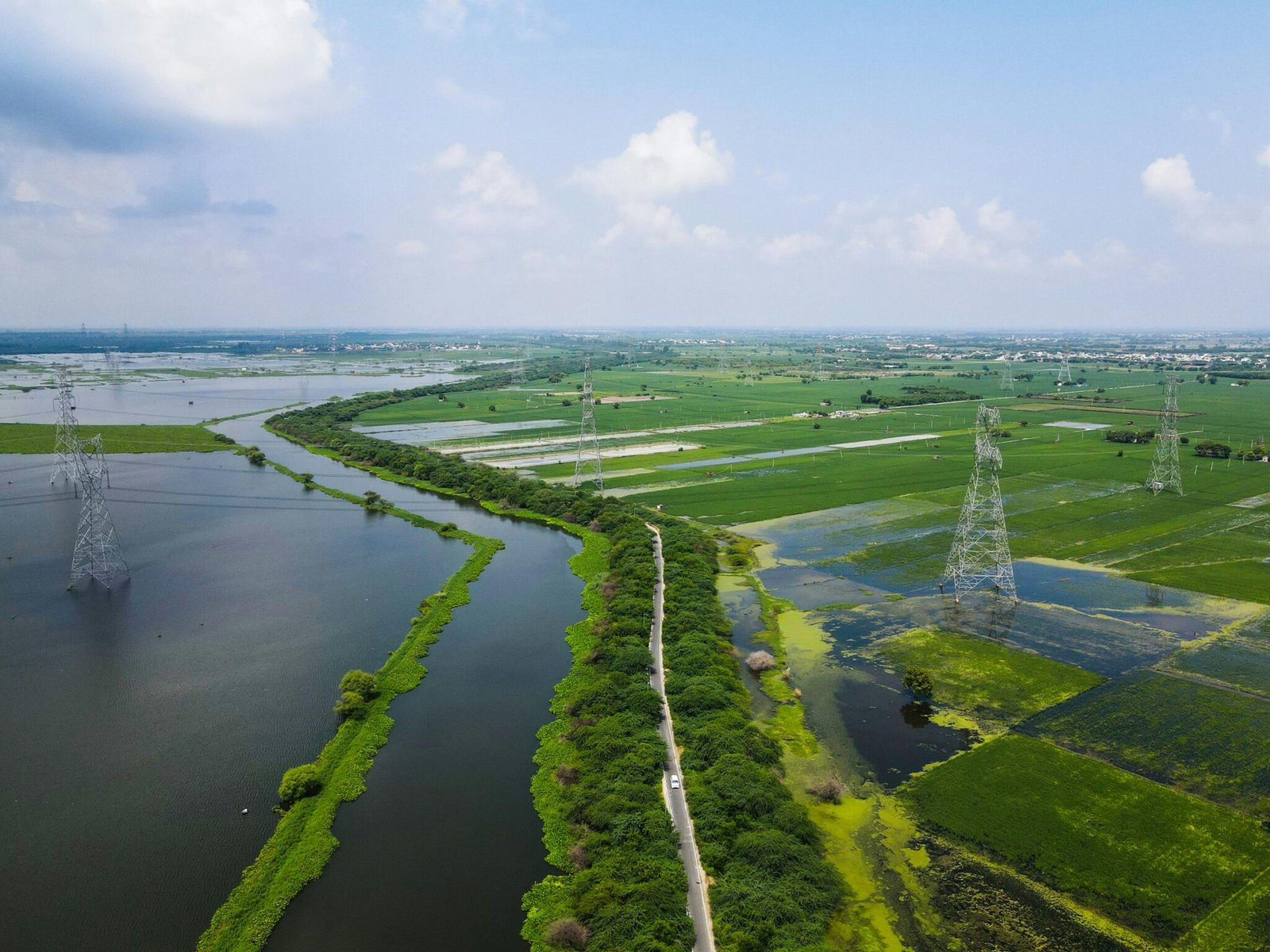




From farms to wedding shoots, drones are stitching themselves into everyday life across India. The Indian drone market is accelerating, moving beyond lab tests into real world use cases that touch agriculture, logistics, media, and public safety. New models are making aerial work more accessible for small businesses and hobbyists alike, signaling a shift from novelty to necessity as prices fall and local support networks expand.
Recent Trends
- Growth in logistics, agriculture, and creative sectors
- Rising consumer drone adoption in tier-2 cities
- Regulatory tightening around registrations and no-fly zones
Industry forecasts point to a substantial expansion. The Indian drone market is expected to jump from about USD 0.47 billion in 2025 to roughly USD 1.39 billion by 2030, driven by logistics efficiency, precision farming, and on demand media production. This trajectory mirrors similar paths in other large economies, yet India faces its own regulatory and market realities. As consumer confidence grows, more Indian households and small businesses view drones as affordable tools for everyday tasks rather than specialized equipment.
According to TechGenyz, the Indian drone landscape is already undergoing a rapid transformation, with mainstream adoption visible in tier 2 and tier 3 cities as students, farmers, and freelancers experiment with the technology. This shift is supported by a growing ecosystem of local service centers, online marketplaces, and EMI financing options that reduce the upfront cost barrier for entry.
India’s Drone Landscape Today
What is clear is that drones are moving from niche experiments to practical tools. In cities like Bangalore and Lucknow, startups are testing aerial deliveries and cinematography services that previously required much larger investments. For households, drones are becoming comparable to smartphones in terms of their potential to capture, share, and analyze moments from above. But with more people flying, the market also demands better guidance on safety, privacy, and reliability.
Experts emphasize that the market will hinge on three drivers: cost parity with conventional gear, robust after-sales support, and clear regulatory pathways. Indian drone buyers increasingly demand transparency on battery life, camera quality, obstacle avoidance, and service networks. This alignment of product capability with local needs is essential if the Indian drone market is to sustain growth beyond a few high-profile pilots and early adopters.
Understanding Drone Rules in India
India’s Civil Drone (Promotion and Regulation) Bill of 2025 aims to bring the sector out of gray areas and into a predictable framework. Core elements include a registration requirement for drones above 250 grams, restricted zones around airports and defense areas, and mandatory pre-flight authorization via the Digital Sky platform. Fines and seizure of equipment are possible for violations, underscoring the seriousness of compliance for hobbyists and commercial operators alike.
For a civilian flyer, the path is straightforward but precise. Awareness of no-fly zones, pre-authorization steps, and the need to keep registration up to date is crucial. The law also signals a push toward stricter oversight, whichmany observers see as a necessary step for safer airspace and greater industry legitimacy.
Choosing The Best Drone
Buying a drone in India is like selecting a car without knowing the engine type. You must weigh the purpose, price, features, and support networks. Recreation, photography, agriculture, or small business use each require different trade-offs. Consider flight time, camera quality, obstacle sensing, and how easy it is to find service centers in your locality. A lightweight model with good GPS stability may suit a student in Pune, while a deeper, feature-rich drone with longer range could better serve a farmer in Punjab seeking field data.
Best Drones for Indian Consumers in 2025
Among popular options, NOT ORO emphasizes gesture control, portability, and a beginner-friendly experience, while Nabhyan Pro showcases strong camera performance and responsive flight dynamics. The market is broadly affordable, with EMI schemes and local support expanding access. The trend toward mid-range devices means more people can try aerial photography, surveying, or simply enjoy safe, legal flight experiences at home.
The Pros and the Cons
Pros include creative freedom, quick aerial capture for events or fieldwork, and growing instructional resources for new pilots. Cons focus on the learning curve, the complexity of regulatory compliance, and potential maintenance gaps in smaller towns. As the market grows, these trade-offs will shape consumer expectations and regulator dialogue.
What’s Coming Next
Over the next five years, drones in India are set to become more than novelty tools. Expect expanded roles in crop-health monitoring, precision spraying, and field-level surveillance. In logistics, pilots and regulators will test last-mile aerial deliveries while ensuring safety and privacy. Urban safety and public health applications, including rapid response and reagent transport, will push city authorities to formalize oversight and collaboration with drone operators.
Smart Indian Buyer Tips
- Know the laws: check local regulations and the registration process on the Digital Sky platform.
- Balance camera features, battery life, and drone weight to fit your needs.
- Choose brands with robust service networks or clear online support.
- Start small: begin with a mini drone and progress as you gain experience.
- Stay updated on regulatory changes and new product releases.
Conclusion
The Indian drone market in 2025 is at a turning point. It blends rapid consumer adoption with a clarified regulatory framework, turning potential into practical, everyday value. For defense planners, industry players, and everyday users, the message is clear: fly smart, stay legal, and watch how fast the sky becomes a routine space for business and creativity. With the right mix of affordable gear, reliable service, and thoughtful policy, India can turn its growing drone market into a lasting strategic asset that touches farming, commerce, media, and beyond.

















