
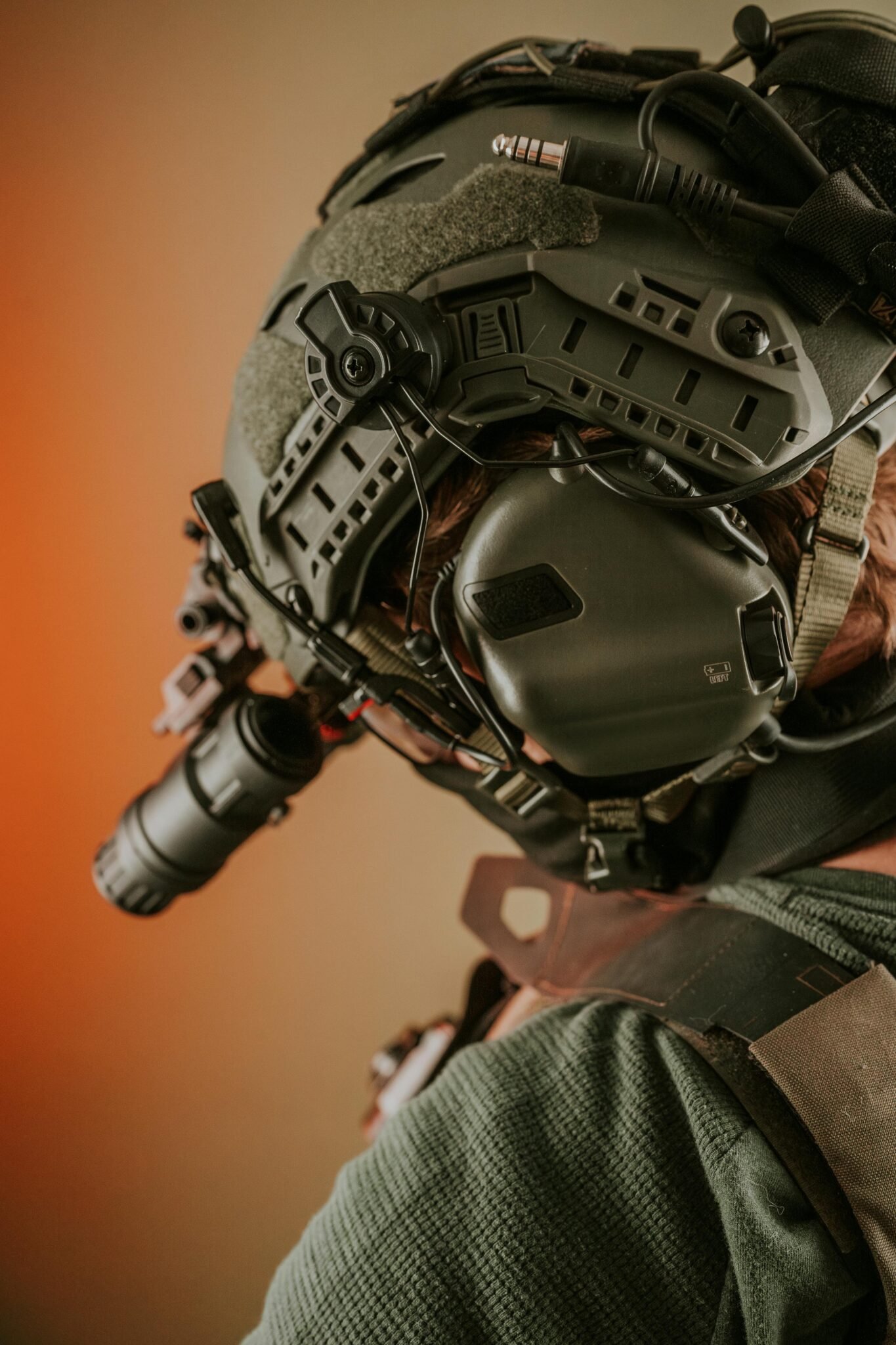




On future battlefields, the smallest drones could carry the biggest strategic weight: eyes that fit in a palm, sensors that operate for hours, and a quiet presence that outpaces heavy, piloted systems.
Recent Trends
- Drones are getting smaller and cheaper
- Autonomous swarms gain traction
- Stealth materials boost micro-drones
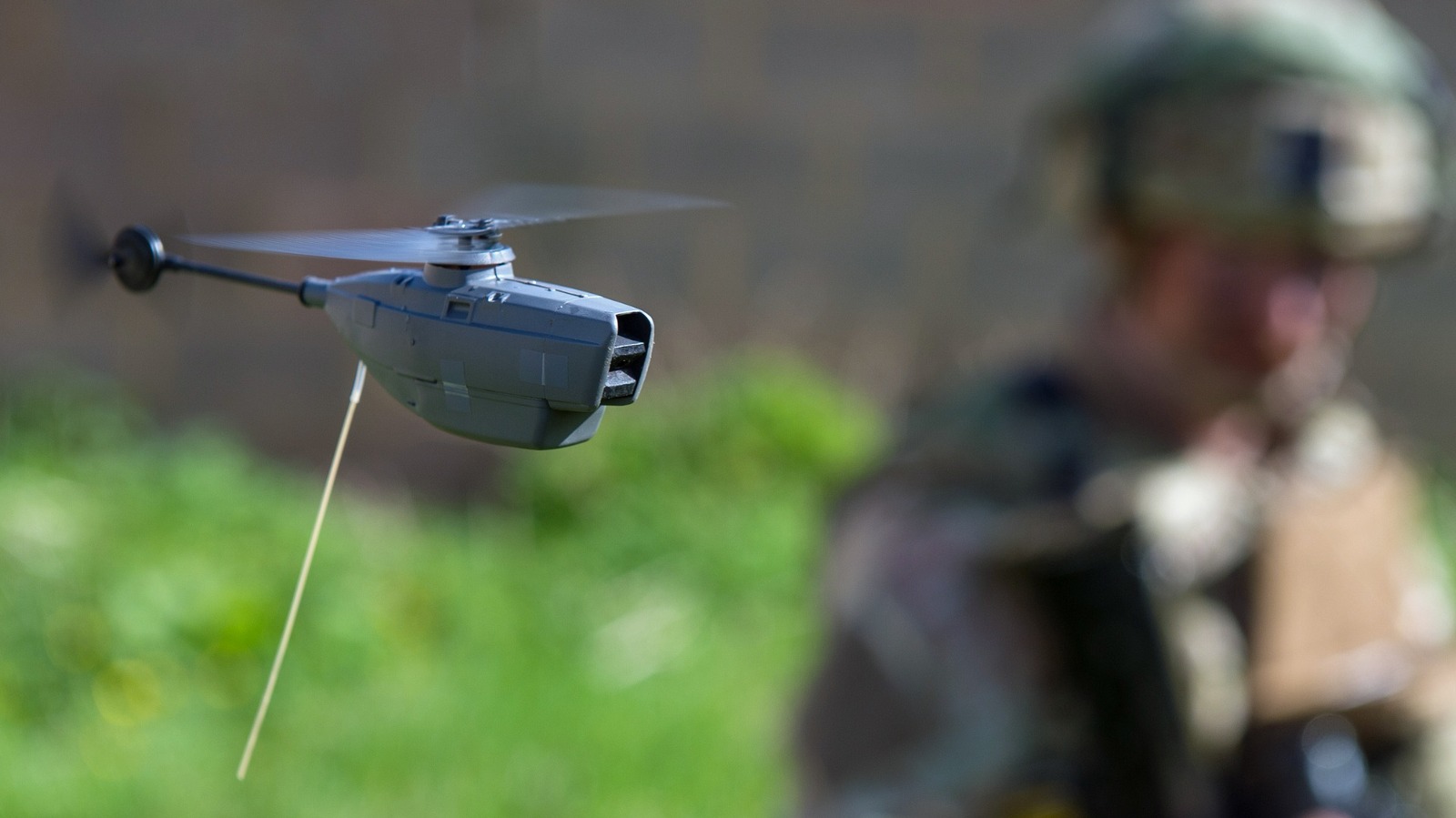
Industry watchers are racing to shrink sensors, power and payloads while preserving capability. Palm sized platforms are becoming common in conversations about intelligence, surveillance and reconnaissance. These micro and nano drones carry cameras, microphones, and in some designs, thermal imagers, all inside a package small enough to slip through standard doorways or hover unnoticed in a city street. The payoff is simple: more eyes, fewer risks to human operators, and the possibility of swarming tactics that overwhelm traditional defenses.
One widely cited exemplar is Teledyne FLIR’s Black Hornet Nano. It costs around 200 thousand dollars per unit, far above consumer micro drones but it demonstrates the upper bounds of scale and performance in this category. The Black Hornet can be deployed in under 20 seconds, offers more than 30 minutes of flight on a small battery, and has a radio range of about 1.9 miles. It captures day and night video and thermal imagery, and operates with autopilot that follows predesignated waypoints.
According to SlashGear, palm sized drones have already seen combat in modern conflicts, underscoring a shift toward micro-scale intelligence gathering on the frontline. This is not just a novelty; it is a signal of how lightly manned force elements may rely on fleets of tiny observers for completive situational awareness.
Beyond air, the briefing hints at interconnected, underwater options for persistent maritime surveillance. An underwater drone network called Speartooth, along with related mission modules such as BlueSentry and BlueSeeker, points to a future where micro platforms operate across domains. These concepts envision cross-domain coordination so a Navy or coast guard could field sensors that remain in place for days or weeks without needing a ship to keep watch. While primarily in the concept phase, they illustrate the broader trend toward multi-domain micro-drones that can perform ISR, relay comms, or even execute limited, non-kinetic effects in challenging environments.
There are clear benefits to that approach. Micro drones can be deployed rapidly at the point of need, offer quieter operation than larger platforms, and reduce the risk of heavy losses if they are shot down in dense airspace. But challenges persist. The tiny form factor complicates power budgets, payload density, and cooling. Even so, researchers are exploring coatings and radar-absorbent materials to sharpen stealth without sacrificing endurance. In the long run, a mix of micro-drones and larger systems could form a graded, layered approach to battle-space awareness rather than a single line of attack.
For policymakers, the rise of micro drones raises questions about airspace management, export controls, and how to prevent misuse in urban environments. Their low cost lowers the barrier to entry, which could accelerate proliferation unless regulators tighten controls and require robust authentication, geofencing, and safe-use standards. The industry will need to balance mission readiness with public safety and privacy concerns, especially as the lines between civilian and defense uses blur more than ever.
FAQ
Q: Are micro drones primarily for surveillance or can they carry weapons?
A: Most current micro drones focus on ISR and communications relay. While there is ongoing research into lightweight kinetic or electronic effects, these platforms are not widely deployed as weapons today. Policy makers worry about dual-use risk and export controls.
Q: What are regulatory challenges for micro drones in defense use?
A: Regulators are watching spectrum allocation, airspace integration, export controls, and safety standards. The goal is to enable rapid defense and research while preventing misuse in crowded spaces or civilian traffic corridors.
Conclusion
The emergence of micro and nano drones reshapes the strategic landscape by turning tiny sensors into force multipliers. They complement larger combat drones, expanding the reach of real-time ISR and potentially enabling limited, non-kinetic effects in complex urban and maritime theaters. For defense planners, the message is clear: smaller, smarter, and more autonomous platforms will fill more corners of the battlespace in the years ahead.

















