
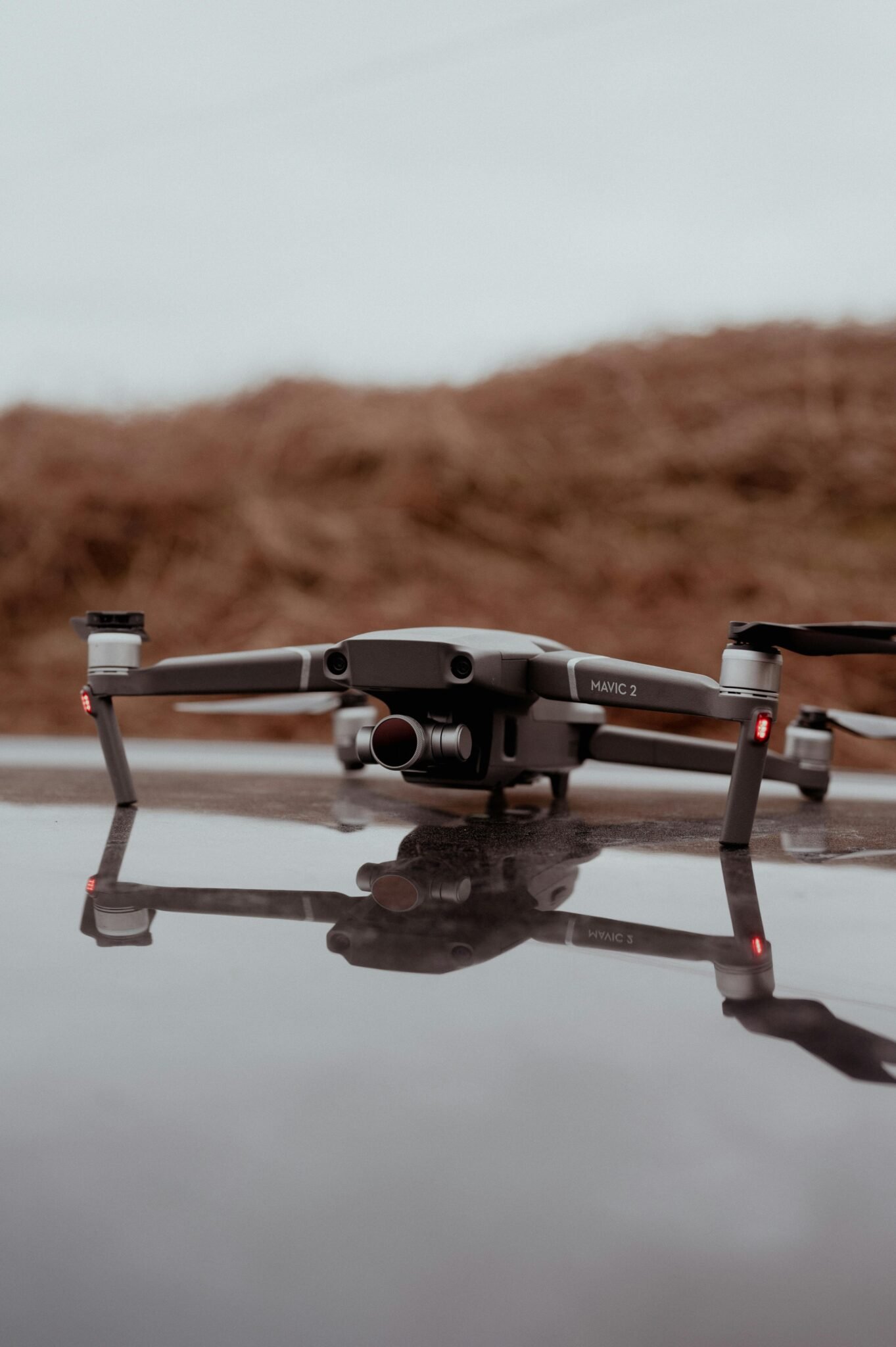




dji drone ban
A quiet rule change at the FCC could reshape how Americans buy and fly unmanned aircraft. The agency has moved to empower itself to block imports of devices from firms it designates as national-security risks. In plain terms, the doors that keep DJI products on U.S. shelves could swing shut if a security audit flags concerns. The change comes as lawmakers tie procurement and import rules to broader questions about data, communications networks, and critical infrastructure. For operators and manufacturers, it signals a new gatekeeper for what qualifies as an allowed, safe drone in American airspace.
Recent Trends
- US regulators expand import controls on drone tech
- Security audits become a gatekeeper for market access
- DJI faces renewed scrutiny as audits loom in 2025-26
According to AndroidHeadlines, the FCC voted 3-0 to give itself the power to ban imports of devices produced by companies deemed national-security risks, including DJI. The decision formalizes a mechanism that regulators have discussed for months: later, a manufacturer could be placed on a “covered list,” and new products — and possibly older models in some cases — could be barred from entry into the U.S. market. The rule is rooted in a broader effort to tighten oversight over components and wireless parts inside drones that might carry security vulnerabilities. This is what people mean by a potential dji drone ban becoming a tangible regulatory risk for the coming year.
DJI now faces a critical compliance checkpoint under the FY25 National Defense Authorization Act. The act requires a comprehensive security audit by the end of December 2025. If DJI stalls or misses the audit, an import ban could be triggered automatically. That means even drones already sold in the U.S. could be deprived of continued import flow, while new shipments would be blocked. The situation adds a chilling effect: buyers may encounter fewer purchase options, spare parts delays, and less predictable software updates. In the near term, some DJI models are already harder to find, a trend many analysts attribute to regulatory unease rather than demand shifts alone.
For the broader US drone market, the prospect of a dji drone ban reframes competitive dynamics. Enterprise buyers, public agencies, and service providers who rely on DJI for remote sensing, inspection, and logistics face a governance bottleneck. While the rule does not retroactively affect consumers who already own DJI gear, it does cast a long shadow on after-sales support and supply chains that depend on authorized parts and service channels. In practical terms, any restriction on DJI imports could tilt purchasing toward rivals such as Skydio or Parrot for certain use cases, especially in regulated environments where governance and traceability matter as much as price.
Industry watchers note that the regulatory path favors clear, auditable security practices. The new framework makes transparent product security assessments a prerequisite for market access. That shift aligns with broader policy debates about supply chain security, data sovereignty, and the role of foreign manufacturers in critical technologies. For defense planners and commercial operators alike, the core message is simple: compliance is not optional, and audits will shape who ships what into U.S. airspace and at what cadence.
From a policy lens, the dji drone ban conversation intersects with ongoing global dynamics around technology sovereignty and domestic oversight. The FCC’s action complements NDAA-driven security reviews that many OEMs have faced in recent years. The implication is not just about DJI; it’s about how, in a post-pandemic, highly digitized drone ecosystem, regulators expect stronger assurances on hardware, firmware, and data handling. That reality pushes drone makers to invest more heavily in third-party security testing, supply chain transparency, and clear data-use disclosures. For operators, it underscores the importance of keeping abreast of regulatory timelines and ensuring their fleets can remain in service as rules evolve.
What this means for operators and the supply chain
In practical terms, a dji drone ban would not happen overnight, but the trajectory is clear: audits become a deciding factor in U.S. market eligibility. Fleet managers should map their alternatives, validate repair channels, and track how regulators weight risk signals in the coming quarters. The rule’s reach also raises questions about spare parts availability, software updates, and long-term compatibility with existing hardware. Operators should prepare by diversifying suppliers for critical components and keeping procurement teams alert to any shifts in import status or authorized-part networks.
What to watch next
Regulators are likely to publish detailed guidance on how a company is evaluated, what constitutes a sufficient security baseline, and how long the audit process will take. For DJI, the clock is ticking toward December 2025, and the industry will be watching closely how the audit findings translate into policy actions. The broader market will interpret any delay or partial relaxation as a signal about how strictly the U.S. will enforce the new framework, while global competitors will watch for nuances in how audits are conducted and what data is required for compliance.
reader-facing takeaway
For defense planners and commercial operators alike, the message is unmistakable: security diligence is rising as a core metric of market access. The path to a stable U.S. drone market will hinge on rigorous audits, transparent security practices, and the ability of manufacturers to demonstrate that their devices do not compromise critical infrastructure or user data.
Conclusion
The FCC’s move to empower itself to ban imports based on security risk signals marks a watershed moment for the drone industry. A dji drone ban is no longer a theoretical risk; it is a policy lever under active consideration. The NDAA-mandated audits will be a key driver of how this unfolds in 2025 and beyond. Companies in the sector should view this as a catalyst to strengthen security postures, diversify supply chains, and prepare for tighter regulatory scrutiny. For users, the takeaway is practical: stay informed on regulatory timelines and plan for a future where access to certain drones could hinge on passing independent security reviews.

















