
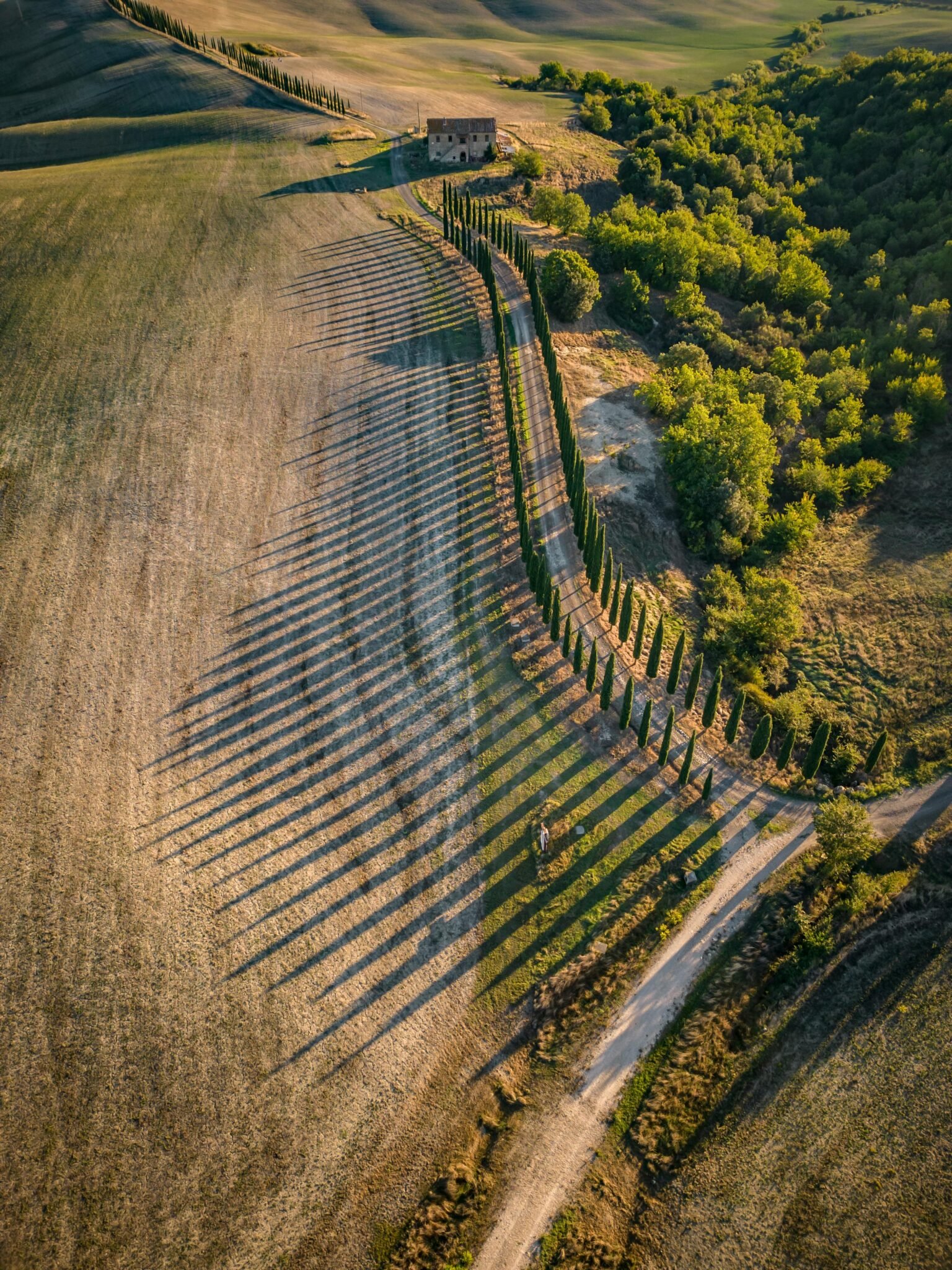




On Tuscany’s sunlit slopes, a quiet tech shift is taking flight. Envirotech Vehicles, a U.S. maker of zero-emission commercial vehicles and industrial-grade drones, is betting that aerial platforms can transform farming on steep hillsides. The plan centers on using agricultural drones to spray vineyards and olive groves with precision, reducing dependence on traditional tractor-based methods in challenging terrain.
Recent Trends
- Precision farming gains momentum across Europe
- Heavy-lift drone tech expands into agriculture
- EU partnerships unlock agri-tech deployments
The deal signals a deliberate move by EVTV into Europe, with a formal Letter of Intent signed with Studio di Agronomia Baffetti, a Siena-based consultancy that advises on vineyard and olive grove management. This collaboration marks EVTV’s first commercial drone entry into the European market and sets Tuscany as a testbed for large-scale, aerial farm operations.
Deployment is planned to begin in spring 2026, as EVTV aims to replace conventional tractor spraying with precision aerial systems tailored for the region’s steep and terraced crops. The approach aligns with broader goals in European agriculture to boost yields while cutting chemical use and environmental impact. For farmers, the project offers a potential path to more efficient, data-driven farming at a time when labor and input costs remain pressure points.
According to MENAFN, Envirotech Vehicles signed the LOI with Studio di Agronomia Baffetti to launch these operations in Tuscany, underscoring the strategic importance of agronomy partners in unlocking complex terrains for drone-enabled farming. The partnership emphasizes not just the hardware, but the agronomic know-how necessary to translate aerial coverage into real-world yield improvements.
Strategic implications for Europe
This move places Envirotech at the center of Europe’s premium agriculture market. Heavy-lift agricultural drones can carry larger payloads, enabling broader spray windows and faster field coverage on terraced landscapes that challenge traditional machinery. In practice, this could translate to more consistent spray quality, reduced drift on sensitive crops, and tighter nutrient management—key levers for higher-quality wine and olive production that define Tuscany’s brand.
Beyond the Tuscany rollout, the collaboration highlights a growing trend: cross-border partnerships that blend U.S. drone technology with European agronomy expertise. For the European market, the arrangement signals a potential shift toward factory-scale aerial farming services that integrate drone hardware with crop-specific agronomic protocols. Industry watchers will be watching how regulators adapt to expanding drone-enabled farming across member nations and what this means for licensing, pilot training, and data governance.
Technology in action
- Payload capacity supports larger spray programs on hilly vineyards
- Precision spraying minimizes chemical use and runoff
- Terrain-aware flight planning tackles terraced landscapes
- Data collection feeds crop health analytics for tailored interventions
EVTV’s broader mission centers on delivering zero-emission, industrial-grade drones that can operate in demanding environments—from logistics hubs to fields requiring meticulous application. By pairing the hardware with agronomic expertise from Studio Baffetti, the program aims to translate flight time into tangible agronomic gains. In practical terms, farmers could schedule sprays with weather windows that optimize efficacy, while managers glean field-level insights from flight data.
Industry observers note that the move expands the competitive landscape for agricultural drones. While giants and startups alike have demonstrated field spraying with smaller platforms, a heavy-lift approach tuned for steep terrain could open new segments, including premium wine regions and orchard-rich valleys where conventional machinery struggles with slopes. As a result, the Tuscany project may become a blueprint for similar deployments across Europe, especially where terroir and crop value demand meticulous care.
Operationally, the LOI signals more than a pilot project. It frames a longer-term collaboration in which agronomy needs, regulatory compliance, and maintenance support align with drone uptime and data stewardship. The partnership’s success will hinge on safe operations, farmer adoption, and demonstrable yield or input-cost benefits in the first harvest cycles after spring 2026.
Policy and market implications
On the policy front, EU regulators are increasingly attentive to drone use for agriculture, balancing safety with the potential for productivity gains. A successful Tuscany rollout could encourage similar cross-border pilots, prompting policymakers to streamline licensing processes and standardize data-sharing practices across member states. For farmers, a key question will be how much of the service is delivered as a managed drone operation versus hands-on piloting by the farm’s own crew, and how results are measured against traditional benchmarks.
Operational outlook and challenges
Key challenges include navigating local pesticide regulations, securing farm-level permissions, and ensuring robust maintenance for heavy-lift platforms in outdoor European conditions. Training agronomy staff to interpret drone-derived data and integrate it with existing sprain routines will be essential to sustain benefits. If successful, EVTV and Studio Baffetti could expand the scope to additional crops and regions, creating a scalable model for drone-enabled farming in Europe.
FAQ
- Q: What crops will be targeted in Tuscany?
- A: The project focuses on vineyards and olive groves, which are common in the region and benefit from precise spraying on terraced terrain.
- Q: When does the rollout begin?
- A: The plan calls for spring 2026 as the initial deployment window.
Conclusion
The Tuscany agreement marks a significant step in the convergence of aerospace-grade drones and European agriculture. By combining Envirotech’s heavy-lift agricultural drones with Studio Baffetti’s agronomic expertise, the venture aims to demonstrate how aerial technology can boost yields, reduce chemical use, and make farming on challenging terrain more sustainable. For farmers eyeing efficiency and stewardship, the message is clear: advanced drones are moving from novelty to necessity in modern agriculture.

















