
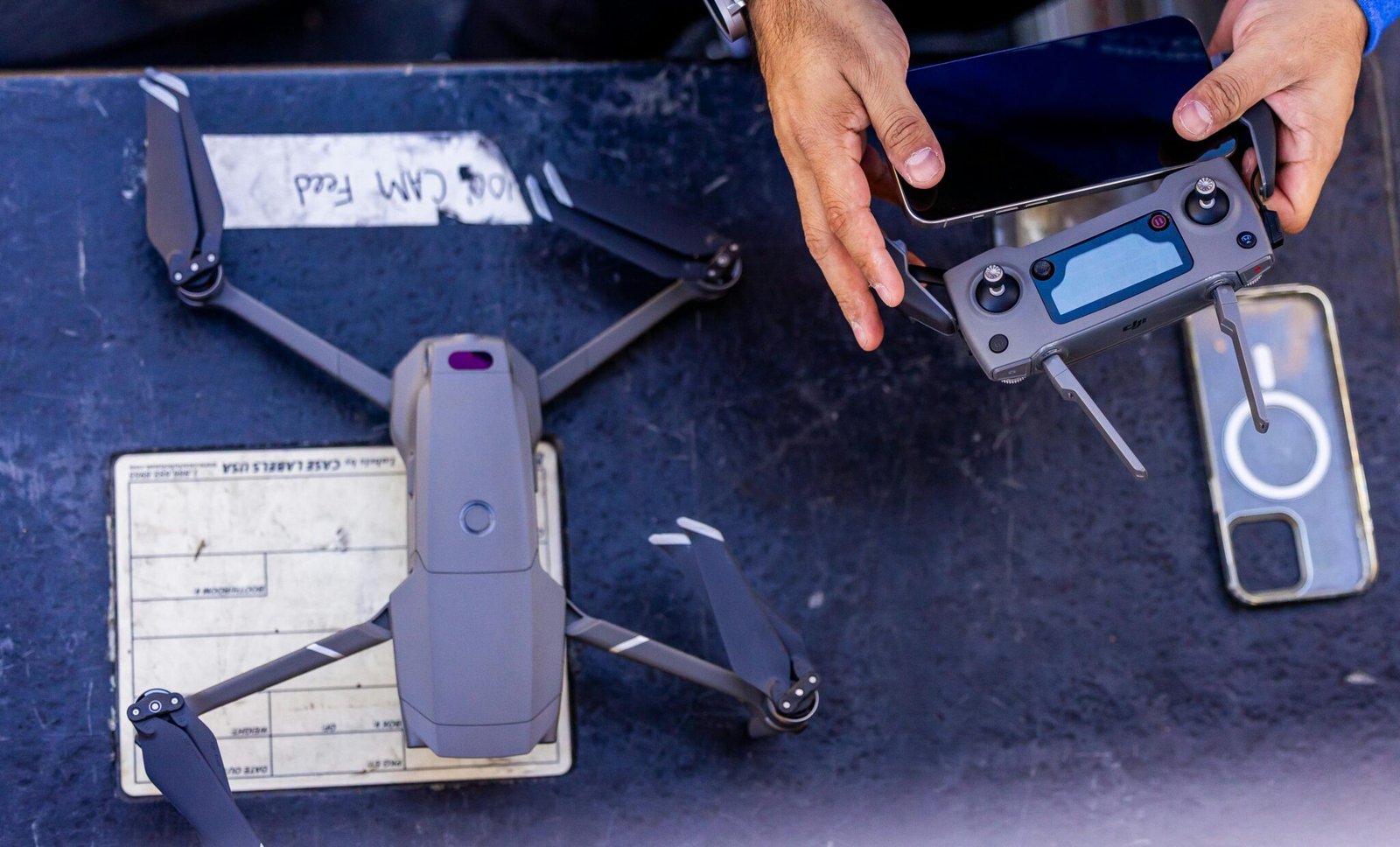




For professional drone operators in Canada, today brings a notable shift in how, where, and why you can fly. Transport Canada’s updated rules go into effect, promising more flexible operations while preserving strong safety guardrails.
Recent Trends
- Canada’s move mirrors global push to expand professional drone use
- Demand grows in inspection, surveying, media, and agriculture
- Digital licensing and safer remote operations are rising priorities
The changes are designed to streamline routine operations that previously required waivers, such as certain flights over active worksites, and to simplify some licensing steps for certified pilots. The aim is to unclog the market for legitimate paid air work while maintaining robust risk controls.
Canada drone regulations expand opportunities for professional operators
What changed
- Expanded professional operation allowances across more flight scenarios
- Clearer flight planning requirements and standardized safety processes
- Updated training pathways and streamlined licensing steps for certified pilots
- Preserved strong oversight with enhanced reporting and risk assessment
Key implications for operators
In practical terms, the reforms aim to reduce red tape for routine air work while keeping safety at the forefront. For businesses, this could mean faster project kickoffs, shorter wait times for approvals, and a clearer path to scale up drone services. The changes also set the stage for more complex missions, including some beyond visual line of sight operations, under defined safety conditions. As the market shifts, operators will need robust flight planning, data logging, and compliance practices to leverage the new framework.
According to CTV News, the reforms center on three pillars: expanded allowances for professional operations, clearer flight planning requirements, and updated training pathways. The article notes these adjustments could reduce bureaucratic friction and unlock new drone services across sectors like inspection, mapping, agriculture, and film production.
For readers and operators, the practical impact will hinge on how provincial authorities implement the federal changes and how training programs adapt. Expect more operators to pursue BVLOS (beyond visual line of sight) missions under approved waivers, and more emphasis on risk assessment and safety case documentation. In short, the Canada drone regulations package is designed to let legitimate businesses move faster without sacrificing safety.
Industry observers point to real-world momentum already under way. Companies such as Drone Delivery Canada have been testing larger, safer operations across diverse settings, from infrastructure inspection to emergency response. The regulatory shift could accelerate these pilots into broader commercial use, especially in utilities, construction, and media production, where time savings and data quality matter most.
Beyond national borders, the move aligns Canada with a broader global trend: regulators are balancing growth in drone-enabled services with stronger safety nets. For defense planners and public safety authorities, the message is clear: better rules can unlock productivity while preserving oversight and accountability. This is a pivotal moment for the Canadian drone economy, and it will shape investment, training, and competition for years to come.
For operators plotting a course under the new regime, the takeaway is practical: invest in compliant training, maintain precise flight logs, and build incident response plans. As the market grows, those who pair agility with disciplined safety will lead the way in Canada’s evolving drone landscape.
Conclusion
Canada’s updated drone regulations mark a pragmatic step toward modernizing the UAS sector. For operators, the changes unlock new revenue streams while keeping safety front and center. As the market evolves, training, compliance, and clear regional guidance will determine how quickly firms scale up their drone work.

















