
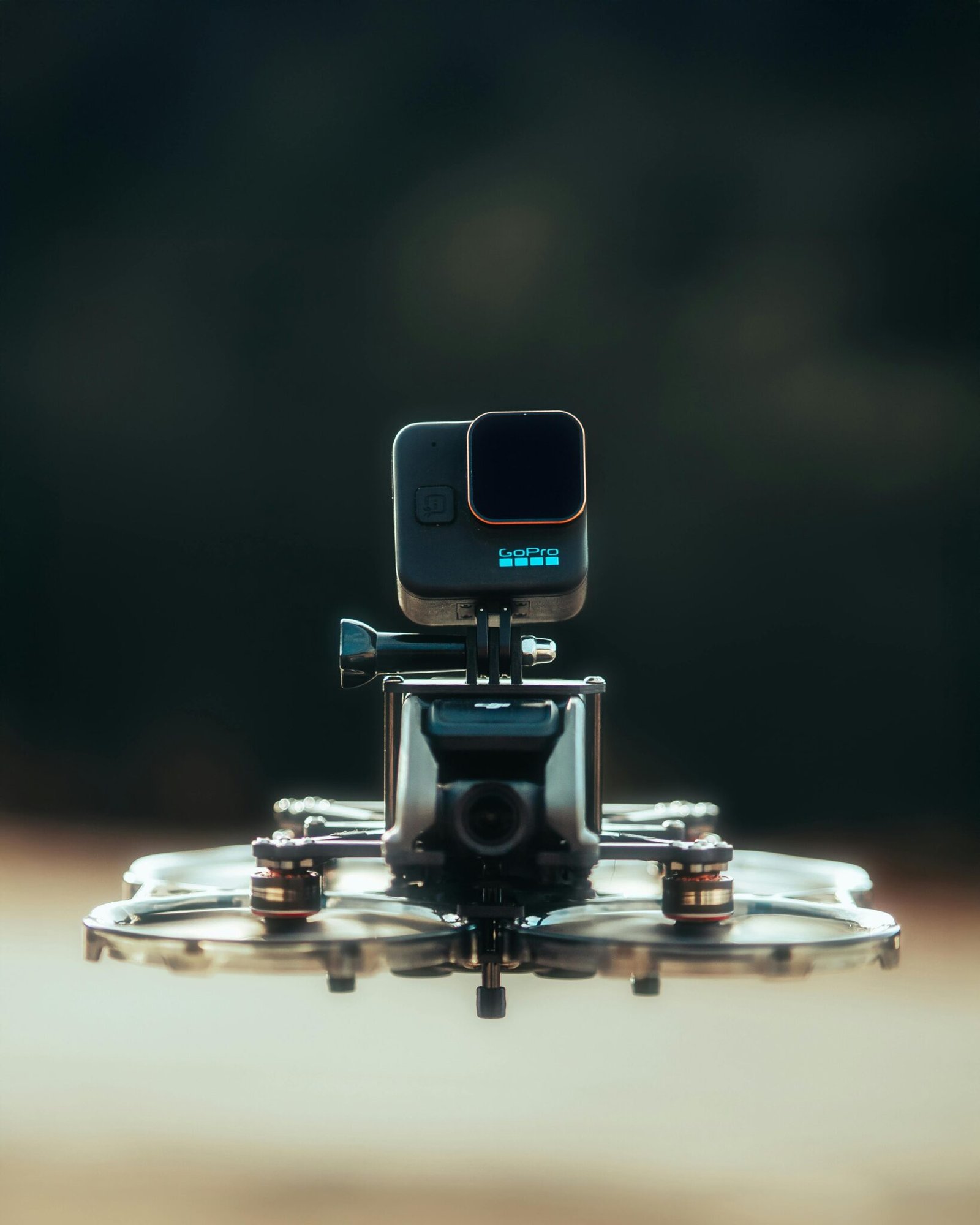




On a quiet afternoon in the FPV world, a shift seems to be in the air: a DJI device pitched as a 360-degree capture tool rather than a conventional racing drone. If rumors hold, DJI is moving beyond a traditional Avata update and toward a bold new form that could redefine immersive flight footage.
Recent Trends
- Immersive FPV drones gain mainstream attention
- 360-degree capture tech expands to prosumer markets
- Major players race to pair high-speed FPV with stabilized imaging
The chatter centers on a potential DJI Avata 360, a design that leans into 360° video capture and cinematic framing. Early reports suggest the device would directly target Insta360’s forthcoming Antigravity A1, a 360° drone Insta360 is gearing up to launch early next year. These rumors come at a moment when the 360° niche is starting to heat up, and DJI has yet to confirm any official product plan beyond its current Avata lineage.
Pricing speculation has floated around a starting point near $1,099, though no formal numbers exist at this stage. If accurate, DJI’s move would signal a strategic pivot: leverage its FPV heritage to chase a new niche while Insta360 accelerates its integrated camera-and-drone ecosystem. The potential Avata 360 would emphasize immersive storytelling—think dynamic aerial scenes shot with a wide, 360-degree field of view rather than a single forward-facing horizon.
According to Gizmochina, via leaker Igor Bogdanov, the Avata 360 is not a simple refinement of the Avata line. Instead, it would be a reshaped platform crafted specifically for 360-degree capture, positioning DJI directly against Insta360’s upcoming entry. This framing marks a notable shift in DJI’s product strategy from refining a familiar form to courting a brand-new FPV modality and audience.
Why this matters goes beyond a single product leak. For filmmakers, content creators, and industrial operators, a true Immersive FPV option from DJI could compress the gap between high-speed flight and immersive perspective. It could unlock new shooting styles, from cinematic chase sequences to creative exploration in tight spaces where a traditional drone’s forward view falls short. For competitors, the move accelerates the race to deliver reliable 360° stabilization, user-friendly workflows, and robust obstacle avoidance that performers can rely on in real-world shoots.
From a market perspective, the Avata 360 would add pressure on Insta360 to deliver its own resilient software and hardware integration, while also compelling camera manufacturers to rethink payload, power budgets, and cooling for longer 360 capture sessions. Practical questions loom: how will DJI balance battery life with a heavier, more complex frame? will developers unlock new SDK features to support 360-degree rigs? and how will airspace regulations and safety standards evolve as 360° footage becomes more common in commercial operations?
Competitive Landscape
Analysts are watching how DJI’s rumored entry could reshape the FPV drone market. If a true Avata 360 lands at or near the stated price, it could accelerate a broader shift toward end-to-end immersive kits rather than separate camera and drone purchases. That dynamic would push rivals to improve battery efficiency, flight stability, and post‑production workflows that can stitch 360° footage smoothly with minimal latency. For buyers, the potential is straightforward: more choices, potentially faster turnarounds, and a broader set of creative tools to tell stories from unique angles.
Implications for Creators
Content creators already seeking cinematic drama from FPV footage may find a new, DJI-backed option that pairs familiar drone handling with immersive capture. That could lower the entry barrier for projects that demand 360° vantage points, such as action sports, real estate marketing with sweeping interior views, and cinematic chase sequences. However, creators should watch for. reliability, software support, and the learning curve of 360 stitching workflows which can complicate fast-paced shoots if not well integrated with editing pipelines.
What to Watch Next
Keep an eye on official statements from DJI and Insta360, validation from independent testers, and early field tests that reveal real‑world performance, battery life, and heat management. If the Avata 360 exists in the wild, expect a flurry of hands-on reviews, codevelopment news from third‑party developers, and new case studies from production houses that push the envelope of aerial storytelling.
Conclusion
For defense planners and commercial operators alike, the message is clear: the drone market is expanding into 360-degree capture as a standard capability, not a niche add-on. DJI’s potential Avata 360 suggests resilience in the FPV ecosystem and a strategic bid to own immersive storytelling, not just speed and agility. As Insta360 bets on the same trend with its own 360 drone, the coming year could redefine what is possible in airborne imaging, and who gets to tell stories from every angle.

















