
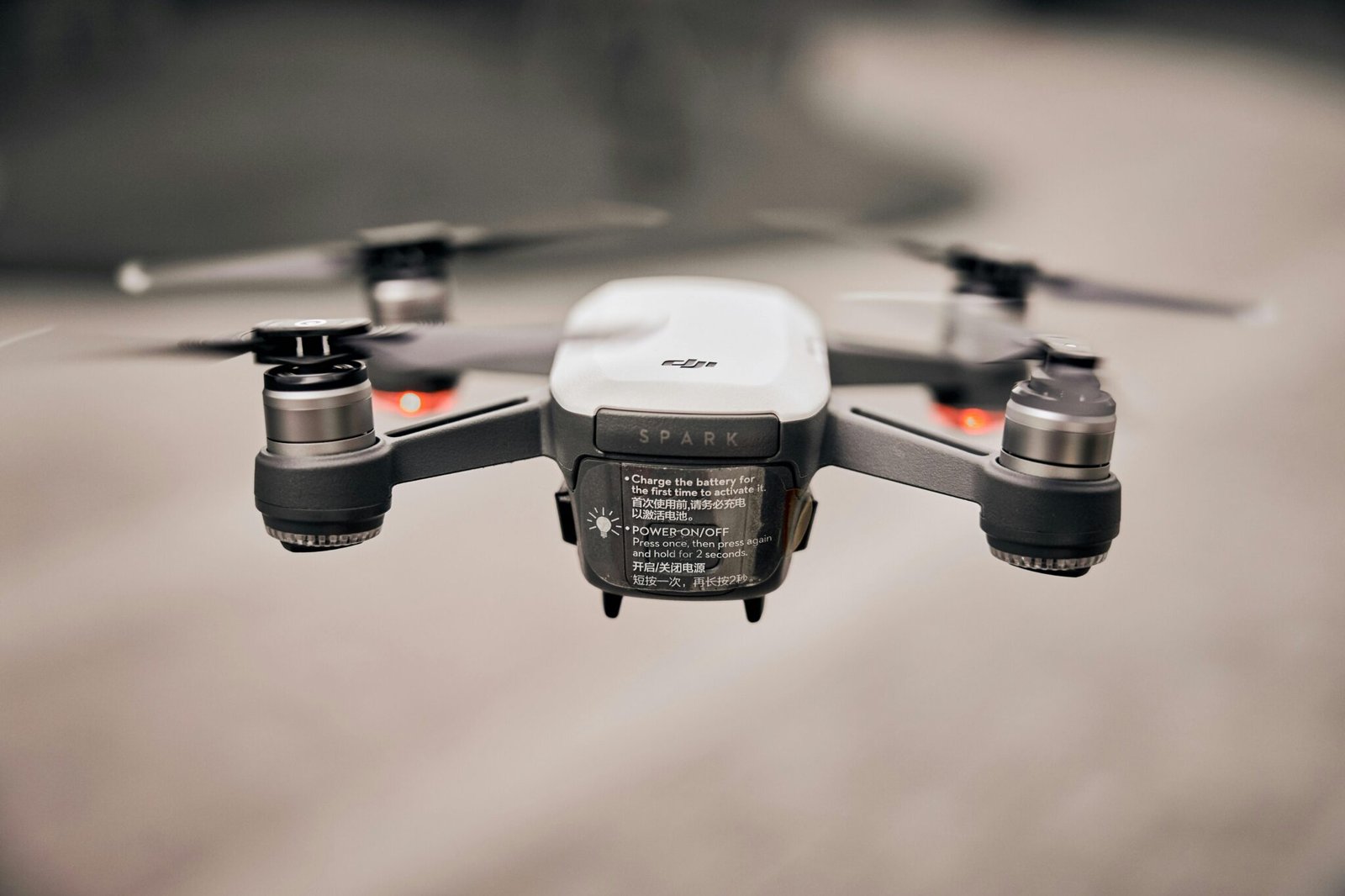




A drone that runs on sunlight alone might sound like science fiction, yet a DIY engineer has demonstrated a working concept. Luke Maximo Bell unveiled a carbon fiber drone powered directly by a solar slat. The power source is a 27-panel array attached along the frame and connected with no energy storage on board. The result is a real world glimpse of battery-free flight and what it could mean for lightweight UAVs in the field.
Recent Trends
- Energy-free flight concepts gain attention
- Lightweight solar patches unlock new drone designs
- DIY experiments fuel UAV tech discussions
A battery-free solar drone concept is a powerful example of how energy density and weight tradeoffs shape drone design. Built for simplicity and minimal weight, the drone relies on a carbon fiber chassis and propellers to keep mass low. The solar slat provides energy in real time, so lift and thrust come from sunshine rather than stored power. In practice, the craft flew after some tuning, but it showed instability in light winds. The experiment signals that even without batteries, solar energy can sustain short flights under favorable conditions.
Bell’s setup uses a carbon fiber frame and propellers to keep weight down. The solar slat is integrated with the propulsion system, so the drone draws power directly from sunshine instead of relying on a battery. The craft still relies on careful aerodynamics and precise control to stay aloft, as any breeze can induce wobble. The result is a proof of concept more than a production model, yet it pushes the boundary of what solar energy can do in real time. This is a concrete demonstration of a battery-free solar drone challenging conventional energy storage assumptions in UAV design.
The project also ties back to Bell’s earlier bid to reclaim the Guinness World Record for the fastest drone by building a 363.5 mph machine with his father, Mike Bell. The solar setup shifts the focus from speed to endurance, and Bell has outlined plans for a longer flight with more solar coverage and a GPS module. A future version aims to add autonomous flight software to navigate waypoints while staying powered by sunlight.
According to Notebookcheck, the project is a deliberate experiment in energy-free flight, not a production drone. The report notes that while a battery-free solar drone can lift on a sunny day, stable flight depends on sun angle, panel efficiency, and precise control algorithms.
From an industry lens, this work highlights the tradeoffs between energy density and weight. A solar-only system must be lighter than conventional drones and may favor specialized roles such as high-altitude, long-endurance mapping or environmental monitoring in sun-rich environments. If engineers can push panel efficiency and lightweight actuation, we may see niche drones that stay aloft for longer without batteries, at least in favorable conditions.
Airspace policy remains a factor. The novelty of solar-only flight does not remove the need for safe operation and regulatory compliance. In the US, the FAA’s rules around drone operations, remote ID, and airspace classes will still apply, and solar drones must meet the same safety requirements as battery-powered peers. The concept raises questions about energy storage mandates and safety margins, particularly for high-altitude or autonomous flights.
Bell’s future iterations promise more panels, GPS, and autonomous flight software to extend endurance. This trajectory echoes broader trends: better solar cells, ultra-light materials, and smarter control systems that can manage variable sunlight. For industry watchers, the key question is not just if solar can power longer flights, but how it competes with conventional battery drones in real-world tasks.
For enthusiasts and operators, the takeaway is simple: energy innovations can start small and become practical steps toward sustainable flight.
Conclusion
Solar-only flight remains a niche but rapidly evolving field. The battery-free solar drone demonstration illustrates how creative engineering can challenge assumptions about energy storage in UAVs. As materials improve and control algorithms advance, such concepts could influence mainstream lightweight drones and open new use cases where sun is plentiful.

















