

Funding fuels a national crop-phenotyping push
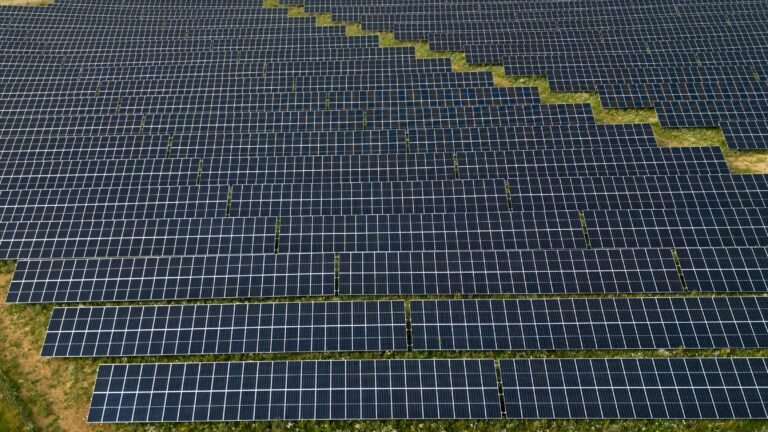
In Australian fields, a data-driven revolution is quietly taking root as the Grains Research and Development Corporation (GRDC) announced a $4.5 million investment to scale high-tech drones and sensors for crop phenotyping. The program, run with the Australian Plant Phenomics Network (APPN) and supported by NCRIS, aims to standardize data collection across a national network and accelerate trait discovery that improves yields and resilience.
Recent Trends
- National scale mobile phenotyping networks expand
- Drones accelerate crop data collection for breeding
- Data standards and interoperability become critical
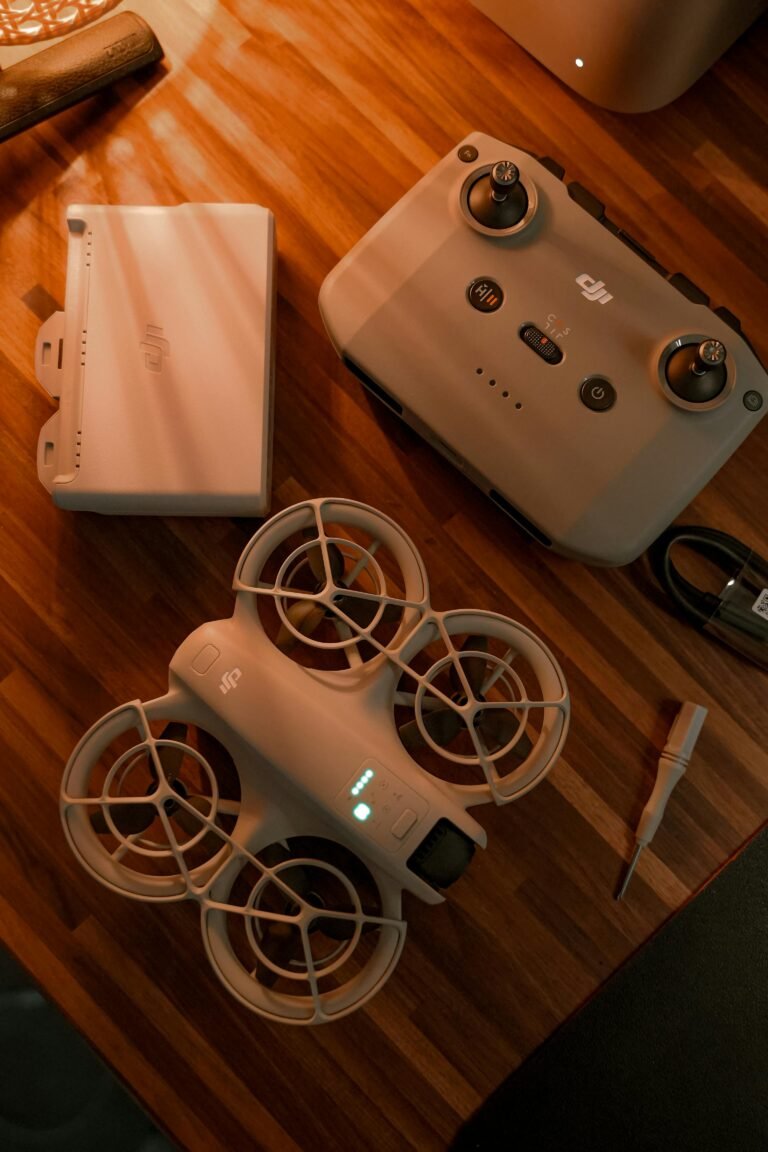
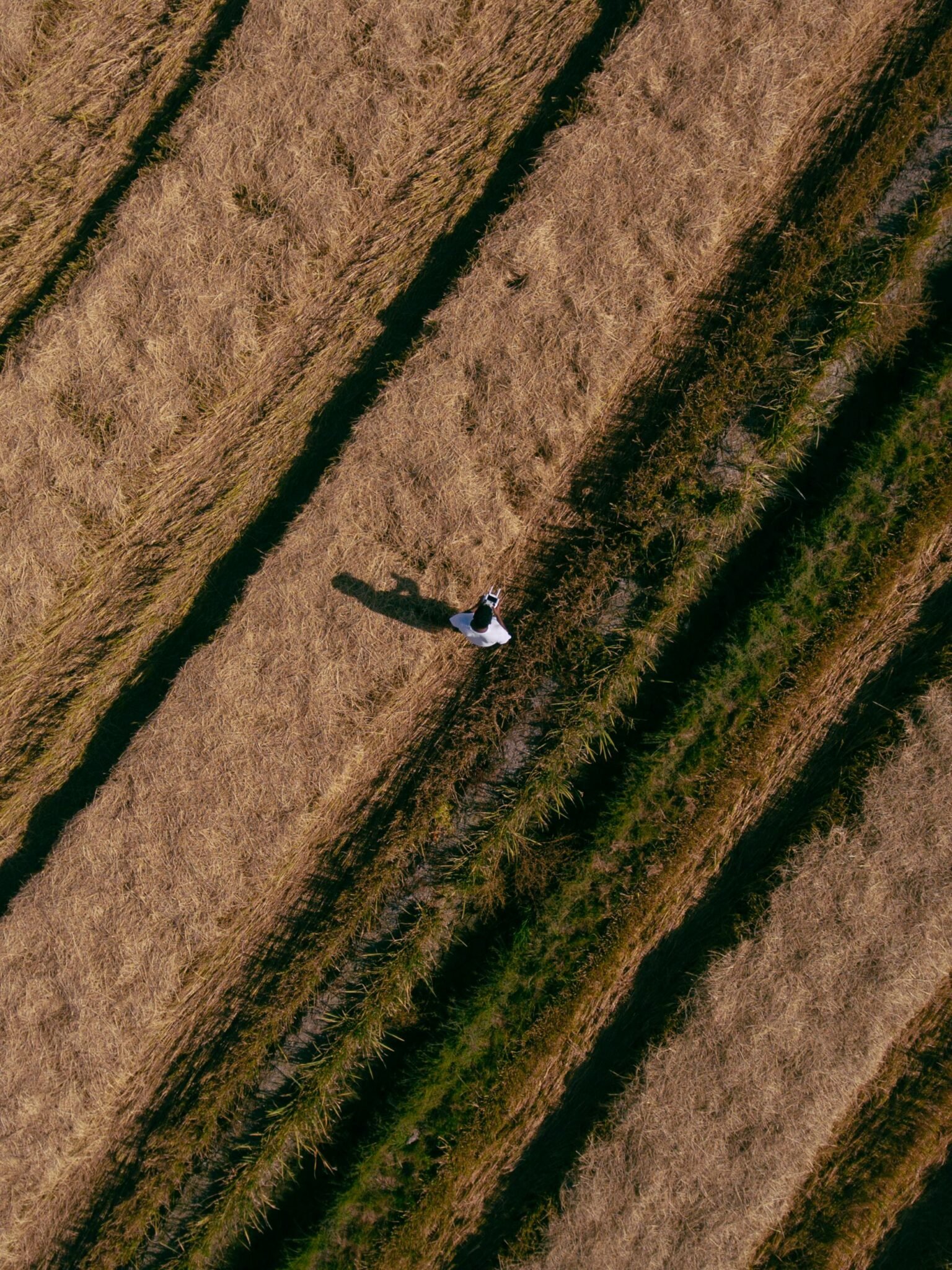
At the heart of the plan are mobile phenotyping platforms that travel to fields, plots and trials. APPN will deploy field research nodes in Adelaide, Gatton, Narrabri, Northam, Perth and Wagga Wagga, each equipped with a CALViS mobile phenotyping unit. The platforms rely on drones (unmanned aerial vehicles) and ground-based scanners to capture high‑resolution imagery and sensor data about water status, nutrient levels and disease signals long before symptoms appear to the naked eye. A TEMS system (Trial Environment Monitoring System) ties measurements to the trial environment for context and repeatability.
The GRDC investment also funds CALViS, a flagship mobile phenotyping platform that can quickly measure and record how plants grow in the field. According to GRDC Senior Manager – Enabling Technologies Tom Giles, the fleet will standardize sensor technologies, data collection protocols and analytics so researchers across regions can compare apples with apples. He notes that this alignment is essential for scalable breeding work and practical agronomy improvements that farmers can trust in the field.
“The goal is to speed up decision making in crop improvement,” Giles said. “By automating trait measurements at plant, plot and paddock scales, we remove much of the guesswork that slows breeding cycles.” The National Tribune reports that, with NCRIS and APPN, Australia is building a nationwide ecosystem for high‑throughput phenotyping that keeps its researchers at the frontier of digital agriculture and phenotyping science.
In practice, the system pairs advanced imaging with machine learning and data analytics to translate raw sensor signals into meaningful traits. Hyperspectral and multispectral sensors capture a spectrum beyond visible light, revealing moisture stress or nutrient deficiencies that appear as subtle color changes. LiDAR adds 3D structural data to quantify canopy height and leaf angle, while 3D imaging supports repeatable measurements across trials. Together, these tools enable crop phenotyping drones to collect data at speeds and scales that manual scouting could never match.
APPN Director Trevor Garnett highlights the value of a national, standardized approach. “APPN has built a nationwide capability for high‑throughput phenotyping in the field, enabling researchers and industry to generate more accurate and comparable data, regardless of geographic location,” he says. The result is a robust, shareable data backbone that accelerates discovery and reduces the cost of trialing new varieties.
For farmers, the payoff is tangible: faster introduction of resilient varieties, more precise agronomic recommendations and better risk management in a changing climate. The National Tribune notes that the collaboration between GRDC, APPN and NCRIS is designed to keep Australian crop research ahead of global competitors in digital agriculture and phenotyping science.
Sub-title
Practical takeaways for growers, researchers and policymakers
In the near term, growers can expect trials to demonstrate how mobile phenotyping units improve yield forecasts, nutrient management and disease detection. In the longer term, the data standards and shared platforms could become the baseline for Australia’s breeding pipelines, enabling faster gene-to-crop translation. This matters beyond grains; phenotyping capabilities spill over to pulses, canola and other crops, expanding the technology’s value across the farm sector.
FAQs
- What is CALViS?
- CALViS is APPN’s mobile phenotyping platform designed to measure plant growth and health in the field.
- What does TEMS do?
- TEMS stands for Trial Environment Monitoring System and provides environmental context for trial data.
- Why now?
- The GRDC’s investment aligns research capacity with industry needs for faster crop improvement and climate resilience.
Conclusion
The nationwide move to mobile phenotyping and drone-enabled crop analysis marks a turning point for Australia’s grain sector. By coupling high-tech imaging with standardized data practices, the country is arming researchers with faster, more reliable insights—and giving growers a clearer path to higher yields and steadier profits in a volatile climate.