
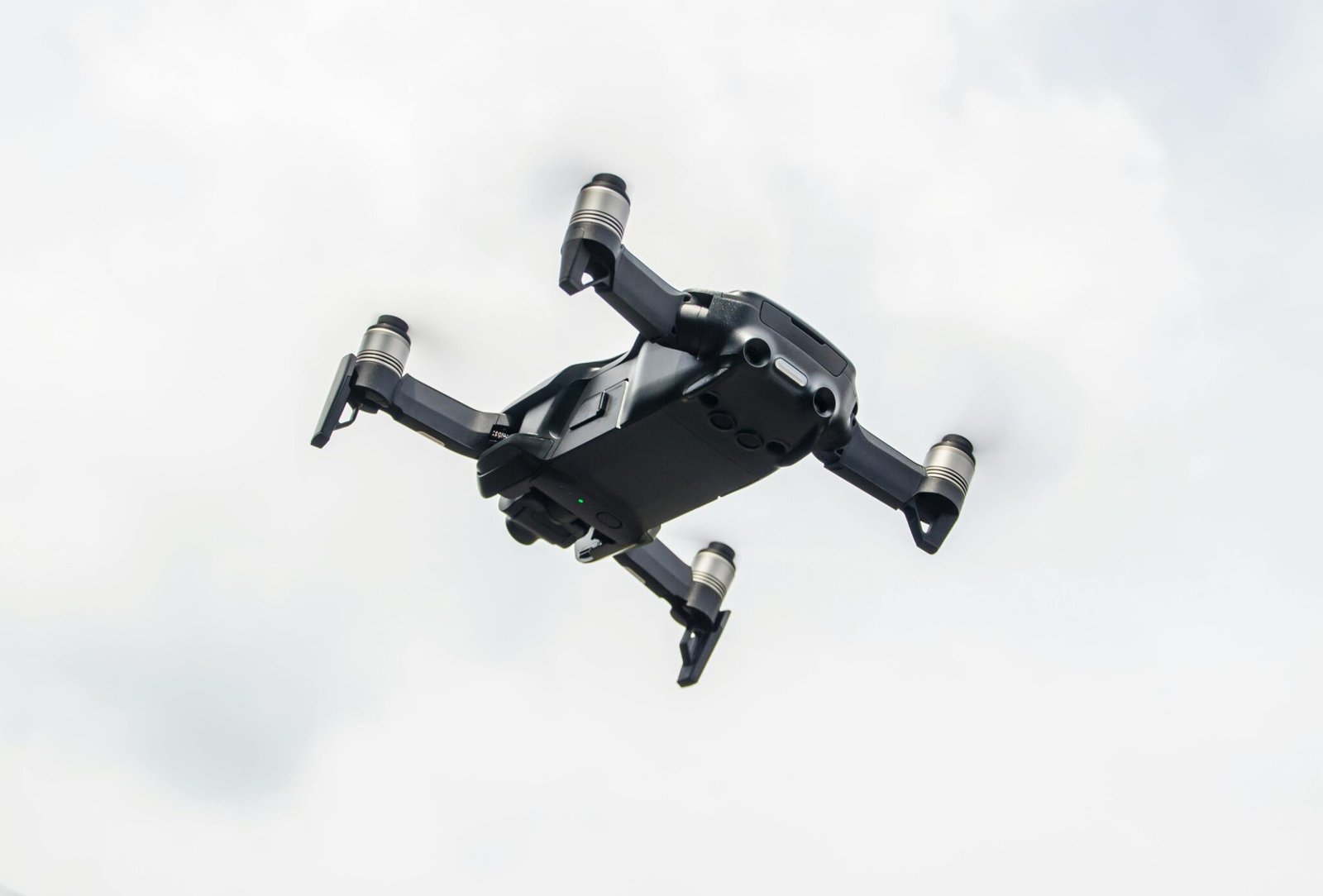




In a sunlit gym, tiny drones buzz through a circular cage as fans lean in, watching with the intensity of a traditional ball game. The sport is drone soccer: fast, tactical, and surprisingly accessible even to newcomers with the right coaching and gear. The action centers on five-player squads who pilot small drones through a 30cm hoop, scoring points in a three-minute round that echoes both arena sports and esports.
Recent Trends
- Drone sports gaining international attention
- Youth programs fuel STEM-inspired competitions
- Esports continues to intersect with robotics and drones
Originating in South Korea around 2016, drone soccer has gradually spread to other parts of Asia and beyond. In Malaysia, Cybersphere Malaysia has built a local ecosystem where players learn not just piloting skills but teamwork, strategy and on-the-fly problem solving. The game requires five on-field roles—striker, guide, libero, sweeper and keeper—each contributing to a fluid, team-based dynamic rather than lone performances. As spectators watch drones weave in and out of defenders, the appeal becomes clear: it’s a spectator sport that blends precision, speed and back-and-forth tension.
According to The Star, a Malaysian team recently represented the country at the Federation International DroneSoccer Association (FIDA) World Cup in Jeonju, South Korea. The squad earned a remarkable second runner-up in the Class 20 category, finishing behind only Japan and Korea among 24 countries. What made this run notable was the composition: four primary school students, one secondary school student, and two university students held their own against more seasoned adults. This kind of outcome challenges preconceptions about who can compete in high-skill drone sports and signals a wider invitation to budding pilots across age groups.
Beyond the thrill of competition, the sport has practical implications for local communities. Yong Chong Soon, founder of Cybersphere Malaysia, emphasizes that drone soccer can spark interest in STEM fields, hardware tinkering, and cooperative problem solving. The article underscores that the activity is open to almost everyone, with no strict age or gender barriers, and that players often build and tune their gear after each match. The Star notes that this accessibility is coupled with a clear pathway for youth to climb from hobbyist clubs to national-level events.
Costs help explain both the enthusiasm and the barriers. A Class 20 drone suitable for beginners can cost around RM850, while the larger Class 40 variants—used by more serious teams—range from RM2,500 to RM6,000. These figures reflect not only the hardware but the modular tuning, propeller choices and lightweight frame materials like carbon fiber. Yet the payoff is tangible: students and hobbyists gain hands-on experience in mechanical design, software control, and team dynamics, building skills that translate to broader tech projects. The equipment story in drone soccer is as important as the game itself.
Class differences matter too. Class 20 drones emphasize standardized platforms and software tuning to optimize maneuverability, while Class 40 pilots enjoy more freedom to modify hardware for speed and agility. In practice, teams pivot on the field; a striker’s drone might shed weight to gain speed for a sharper shot, while a defender’s craft could prioritize stability and resilience to block attempts. Mohamad Zamani Razali, Cybersphere Malaysia advisor, highlights that this hands-on maintenance—repairing, tweaking and adapting after each match—transforms students into practical engineers, not just players. The deeper lesson is that sport and science reinforce each other in this new arena.
The Malaysian push aims not just at medals but at a broader regional role. Yong envisions a yearly drone soccer festival in Johor starting next year, aligned with Visit Malaysia Year 2026 and Visit Johor Year. This is a chance to transform a niche hobby into a regional showcase that attracts schools, clubs and corporate sponsors. For readers weighing the sport’s potential, the signals are clear: drone soccer could become a recognizable part of Southeast Asia’s tech and sports ecosystem, provided support follows talent and community interest.
For readers curious about the wider context, the sport’s growth mirrors a pattern seen in other tech-enabled, user-driven sports. It blends open access, community mentorship, and competitive pressure in a way that traditional sports sometimes struggle to replicate. In Malaysia and beyond, drone soccer is a case study in how hobbies can evolve into legitimate, scalable ecosystems—with youth at the heart of the expansion. The takeaway is simple: this is not just about flying toys; it’s about building a pipeline of skilled, confident pilots who can navigate both hardware and teamwork in a fast-changing tech landscape.
What to watch next
Look for Cybersphere Malaysia to expand beginner programs, secure local sponsorships and host public demonstrations that bring drone soccer from clubs to stadiums. The sport’s growth will depend on sustained funding, friendly regulations around hobbyist drones, and continued success at international events like the FIDA World Cup. As the region tunes into this blend of sport and technology, ASEAN could emerge as a leading hub for drone sports innovation.
Sub-title
Key takeaways for participants and organizers: focus on teamwork, invest in accessible gear, and create engaging spectator moments to convert curiosity into ongoing participation.
Conclusion
Drone soccer is more than a novel pastime. It represents a practical bridge between STEM education, youth development and public entertainment. In Malaysia and across Asia, the sport is proving that with the right mix of coaching, community support and affordable hardware, a new generation of pilots can turn aerial agility into a real-world movement. The journey from makeshift cages to festival stages is just beginning, and the pace is accelerating.

















