


In Florida’s sunlit industrial park, a quiet factory floor signals a shift in the drone industry. A new motor plant from Unusual Machines sits beside existing lines, designed to speed up drone production in the United States. The move is part of a broader push to build resilient, homegrown supply chains and reduce dependence on overseas suppliers. This is a moment that could tilt the balance of power in US drone manufacturing.
Recent Trends
- Growing domestic drone manufacturing in the US
- FPV motor and component supply chains expand
- Florida becomes a hub for unmanned systems investment
US drone manufacturing accelerates with Florida expansion
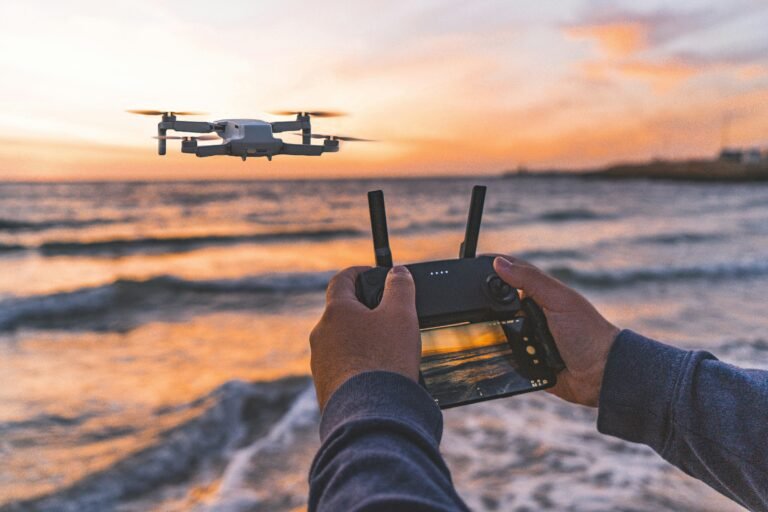
Unusual Machines, known for Fat Shark ultra-low latency FPV goggles and Hypetrain Motors, announced plans to scale production in the United States through a Florida plant focusing on industrial motors and related drone components. The facility will complement its Rotor Riot direct‑to‑consumer platform and the broader FPV ecosystem. The goal is to reduce lead times for customers and shield the US supply chain from global disruptions, a move that resonates with the wider push toward domestic onshoring and US drone manufacturing growth.
According to Marketscreener, the company aims to expand US drone component production as demand grows for rugged, reliable FPV gear and commercial drones. The Florida facility is expected to bolster a broader portfolio that reaches hobbyists and enterprise users alike, improving access to industrial motors and other essential parts used across FPV drones and aerial platforms. This focus reinforces the domestic drone production pipeline and strengthens drone component supply chains.
The shift mirrors a larger industry trend toward US onshoring and supply-chain resilience. For buyers, it could translate into shorter lead times, more customization options, and a clearer path to compliant, domestically sourced parts. In Florida manufacturing circles, this is viewed as a direct nod to a state already known for aerospace prowess and a growing unmanned systems cluster, a sign that US drone manufacturing is moving closer to home.
With Fat Shark goggles and Rotor Riot logistics, Unusual Machines is positioned to capture demand from both hobbyist pilots and professional operators. The Florida plant is designed to support not only drone production but also the broader ecosystem that includes FPV drones, drone components, and accessory lines—creating a more integrated domestic supply chain. This approach helps reduce currency risk, improve quality control, and shorten cycles from design to flight-ready hardware, all of which are critical for US drone manufacturing momentum.
What this means for the drone market
For the market, the Florida expansion signals intensified competition among motor makers and component suppliers as domestic production becomes more feasible. Companies like Unusual Machines blend a vertically integrated model that ties consumer‑grade FPV gear with industrial motors and professional‑grade video systems, aiming to serve both FPV drones and enterprise customers such as surveyors, filmmakers, and search‑and‑rescue teams. The result could be more predictable pricing, faster repairs, and better warranty coverage—the kinds of improvements that build confidence in US drone manufacturing as a market baseline.
Regulatory and policy context
US policy increasingly emphasizes resilience and domestic capabilities for critical technologies. The FAA’s evolving rules around drone operations, remote identification, and airspace integration shape how quickly new drones can scale, yet the Florida plant aligns with these priorities by boosting domestic production of core components and reducing dependence on overseas suppliers. For defense planners and civil users alike, closer domestic production offers greater reliability during disruptions.
For readers evaluating suppliers or planning drone fleets, the move underscores a tangible option for Florida manufacturing and domestic drone production. The ecosystem around Fat Shark and Rotor Riot illustrates how a localized supply chain can remain high‑performing without sacrificing reach.
Conclusion
The Florida motor plant expansion by Unusual Machines marks a meaningful step in re‑shoring drone production. It demonstrates how a specialized ecosystem—encompassing FPV gear, industrial motors, and a robust e‑commerce channel—can converge to meet rising demand while strengthening supply resilience. As the US drone market matures, expect more manufacturers to pursue localized production and closer collaboration with operators and integrators.