
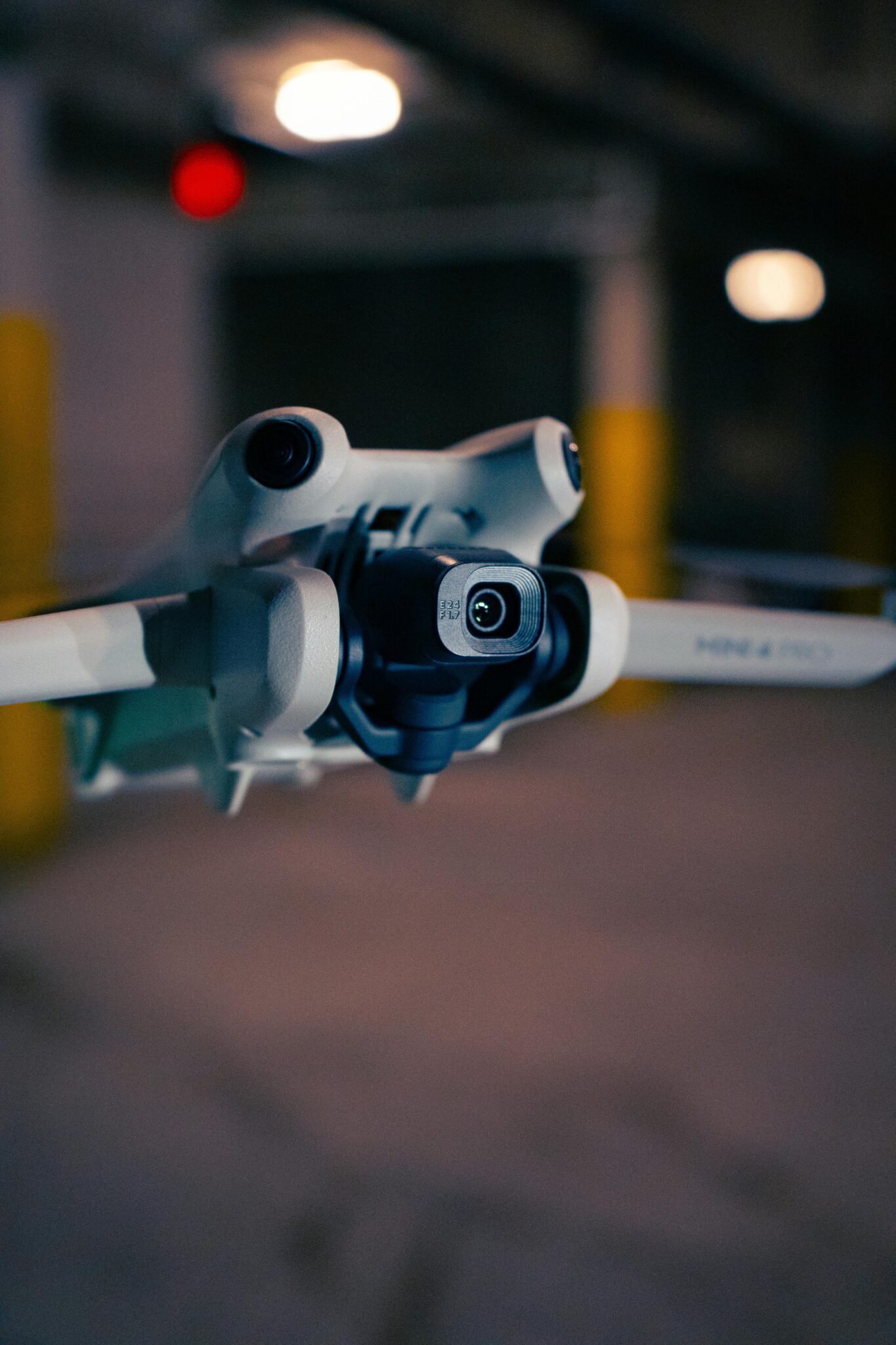




Still a silhouette against the late afternoon sky, a compact drone glides over a city street, lifting a small package toward a clinic. The moment feels routine, yet it signals a broader shift in autonomous drone delivery: AI-enabled navigation, safer detect-and-avoid systems, and smarter airspace management converging to unlock more predictable, scalable services. This week a notable development is the rapid refinement of how these drones plan, fly, and land in mixed urban environments without a human pilot aboard.
Recent Trends
- AI navigation improves route efficiency in BVLOS tests
- Urban air corridors unlock last-mile drone services
- Payload optimization extends flight times and payloads
Autonomous drone delivery
What’s driving this week’s shift
At the core is a convergence between artificial intelligence, advanced sensors, and regulatory evolution. AI navigation takes on the heavy lifting of route planning in real time. It weighs wind, weather, and energy use, while a layered safety filter keeps the drone within safe corridors. The result is smoother BVLOS (beyond visual line of sight) flights that don’t rely on a pilot watching every meter of airspace. For logistics planners, this means the potential to extend service areas beyond the local hub without sacrificing reliability.
Beyond the technology, the regulatory landscape is inching forward. In the United States and Europe, authorities are expanding BVLOS allowances through performance-based standards and clearer detect-and-avoid requirements. This is a practical nudge for companies that rely on predictable delivery windows. A recent wave of pilot programs shows regulators testing transparent data-sharing protocols, remote identification, and standardized payload interfaces to reduce rollout friction. This week’s momentum is less about a single breakthrough and more about a coordinated push to make autonomous drone delivery repeatable across cities.
Technology levers reshaping the field
Payload optimization is getting smarter. Drones now support modular payload systems that swap quickly between medical supplies, consumer goods, or spare parts. The objective is to maximize utility per flight while preserving safety margins. Battery chemistry and lightweight materials continue to push flight times higher, enabling longer routes within urban grids and more flexible scheduling for retailers. The combination of energy density and efficient propulsion creates a practical path to last-mile coverage that doesn’t depend on a single, costly air corridor network.
AI navigation, sensor fusion, and robust perception systems help drones interpret a crowded skyline as a single, dynamic environment. Think of it like a pilotless vehicle that can read a city the way a driver reads traffic: not just where it is, but where it should be next. This capability reduces the need for strict, line-of-sight control and enables automated decision-making in real time. For operators, the payoff is fewer delays, more precise delivery times, and better resilience to wind gusts and urban heat that can affect performance.
Regulators and safety as accelerants
This week, safety is not a hurdle but a driver. Regulators are pushing for standardized geofencing, remote monitoring, and open data-sharing between operators and authorities. The goal is not to grind progress to a halt but to de-risk growth so businesses can scale with confidence. A practical outcome is that carriers can demonstrate consistent performance metrics—on-time arrivals, safe landings, and minimal noise or disturbance—across multiple districts. For readers, this means a more predictable regulatory path for new service models, such as micro-hubs that act as urban staging grounds for rapid deliveries.
Business implications for logistics and retail
Retailers and healthcare providers are experimenting with vertical integration alongside drone manufacturers and service providers. Zipline continues to illuminate medical supply chains in regions with limited road access, while Wing and UPS Flight Forward are testing routes that rely on BVLOS to widen their delivery footprints. These pilots illustrate a broader trend: the future of urban logistics leans on a hybrid strategy that combines ground fleets, air micro-positons, and digital twins of warehouse networks. The practical implication is a shift in warehousing—smaller, highly localized hubs equipped to load, unload, and re-route shipments as air traffic evolves. For readers, the takeaway is simple: to stay competitive, businesses will need to rethink inventory placement, packaging, and last-mile agility anchored by drone capabilities.
This week an interesting development is the rise of industry consortia focused on standardizing payload interfaces and data sharing. When devices speak the same language, drones from different manufacturers can operate in the same airspace with minimal friction. The practical outcome is faster deployment across multiple cities and easier maintenance, because teams won’t need bespoke integrations for every partner. For managers and operators, the message is clear: invest in interoperable hardware and agreed-upon data schemas to unlock cross-brand collaboration and scalable growth.
What it means for pilots, operators, and policymakers
For pilots, the shift toward autonomous flight means more time focusing on mission design and safety assurance rather than manual control. For operators, it means a broader service footprint and greater demand for micro-fulfillment strategies that can leverage aerial routes. For policymakers, the trend highlights the need for clear, scalable rules that protect safety without stifling innovation. The aim is a future where autonomous drone delivery becomes a routine option for urgent medical supplies, perishable goods, and time-sensitive parts in manufacturing. This is not a distant dream but a practical trajectory that industry players are actively pursuing this week.
Conclusion
Autonomous drone delivery is moving from isolated demonstrations to integrated urban logistics. The week’s notable shifts center on AI-driven navigation, safer BVLOS operations, and smarter payload strategies that together expand capacity and reliability. Regulators are catching up with performance standards, creating a predictable path for companies to scale. Businesses that align with interoperable hardware, modular payloads, and robust data-sharing will reap early-mover advantages as air corridors mature and last-mile drone networks proliferate. Looking ahead, the most compelling takeaway is this: the next phase of drone-enabled commerce hinges on safe, scalable, and collaborative systems that knit together hardware, software, and policy into a single, dependable delivery engine.

















