
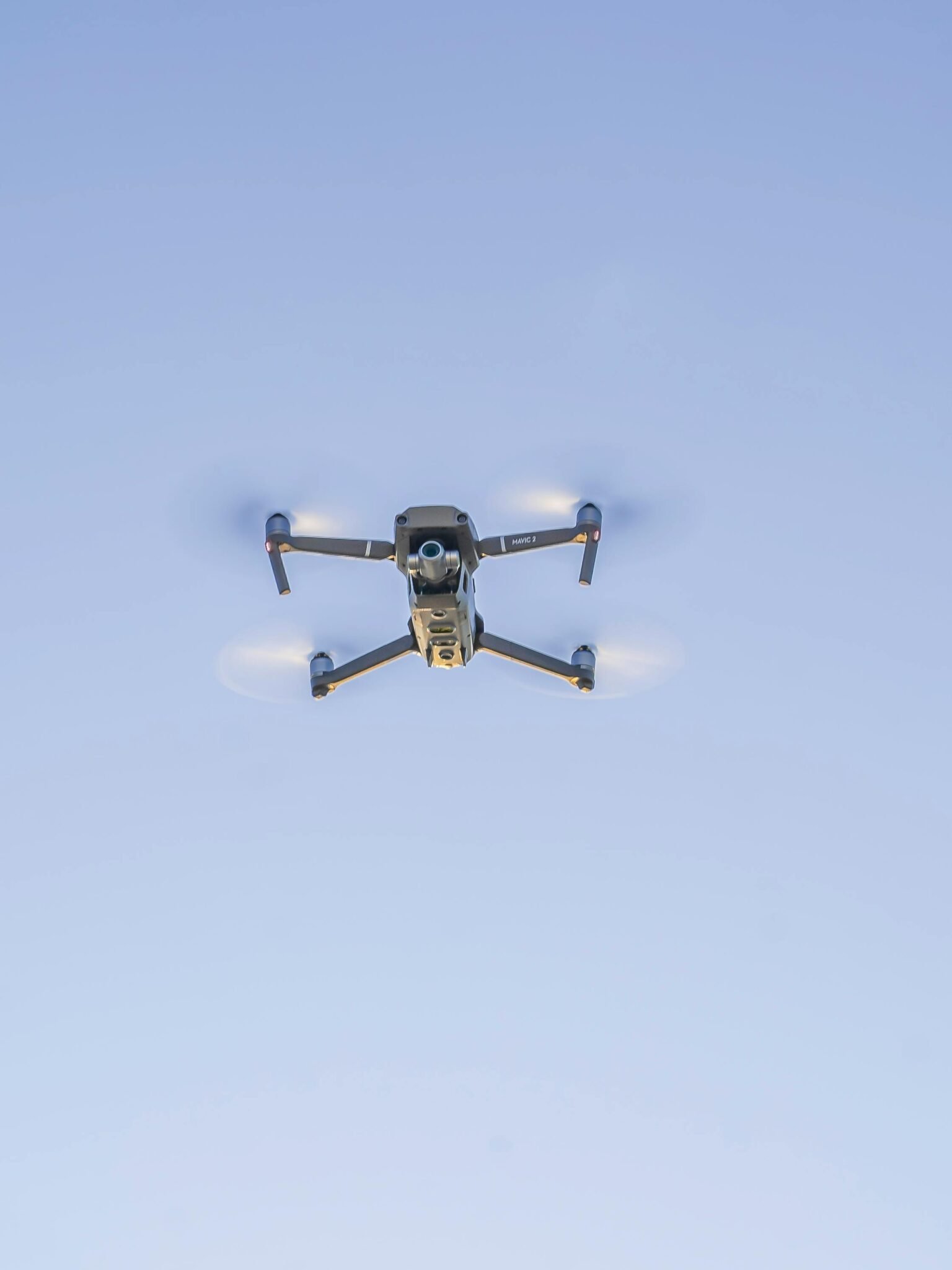




A DIY project built from open files and 3D-printed parts is rewriting the speed playbook for small aerial craft.
Recent Trends
- Open hardware accelerates high-speed drone R&D
- 3D printing speeds airframe iteration
- Safety, regulation shape fast drone testing
DIY Open-Source Drone Reaches 360 MPH
The centerpiece is a modular airframe designed for extreme aerodynamics, crafted with widely available 3D-printed components and off-the-shelf brushless motors. The team tuned the powertrain with a custom propeller set and a lightweight composite shell to minimize weight without sacrificing stiffness. In practice, this means a package you could assemble in a home workshop, then iterate quickly as designs are tested and refined.
The claims of reaching 360 mph were tested in controlled runs, with telemetry and instrumentation used to verify speed data. The result is presented as a milestone that previously required much more expensive, purpose-built prototypes. The project demonstrates how open-source tools and community collaboration can compress development timelines in the drone space, turning ambitious ideas into near-term demonstrations.
Analysts note that the approach mirrors broader shifts in hardware development: share CAD files, publish test data, and invite replication. According to TechSpot, the tests relied on careful instrumentation and publicly accessible flight logs to validate performance, using a mix of commercially available components and customized firmware to push the limits while preserving stability. This transparent, collaborative model is part of a larger trend toward open hardware enabling faster innovation cycles in aviation tech.
For readers outside the lab, the takeaway is simple: speed records are no longer the exclusive domain of a few expensive teams. The recipe—accessible 3D-printed parts, standard motors, and shared software—lowers the barriers to experimentation. Open-source workflows let hobbyists and startups compete by refining control systems, optimizing aerodynamics, and refining data-driven tuning.
What this means for open hardware and drone culture
This achievement underscores a broader movement: when CAD models, firmware, and test results are openly shared, a global community can accelerate progress far beyond what isolated teams can achieve. Open hardware models reduce repetitive R&D, enabling faster iteration cycles and more rapid validation. In this case, the speed milestone wasn’t just about raw velocity; it was about proving that a well-documented, community-driven process can produce extraordinary results with relatively affordable gear.
Implications for regulation and safety
High-speed drones create new safety questions. Regulators are watching how speed affects risk to people, property, and airspace. This record spotlights the need for clearly defined test zones, robust safety protocols, and thoughtful autonomy guidelines. In the United States, the FAA continues to adapt rules around experimental drones and airspace use, while European regulators consider parallel frameworks to accommodate rapid innovation without compromising safety.
Practical takeaways for builders
- Use open CAD tools and publish test results to accelerate learning and replication
- Balance speed with stability by carefully tuning the propulsion and control system
- Prioritize safety: test in geofenced areas with proper telemetry and fail-safes
FAQs
- What makes this drone special?
- It combines a modular 3D-printed airframe with a tuned propulsion system and widely available components, enabling extreme speeds without a factory production run.
- Can hobbyists replicate it?
- The concept is replicable in principle, but achieving the same speed requires advanced piloting, careful testing, and strict safety controls.
Conclusion
The 360 mph mark signals more than a single record. It embodies a shift toward open, collaborative hardware development where shared designs and transparent testing accelerate progress across the drone industry. For manufacturers, students, and hobbyists alike, the message is clear: openness can coexist with high performance, provided safety and rigorous validation keep pace with innovation.

















