
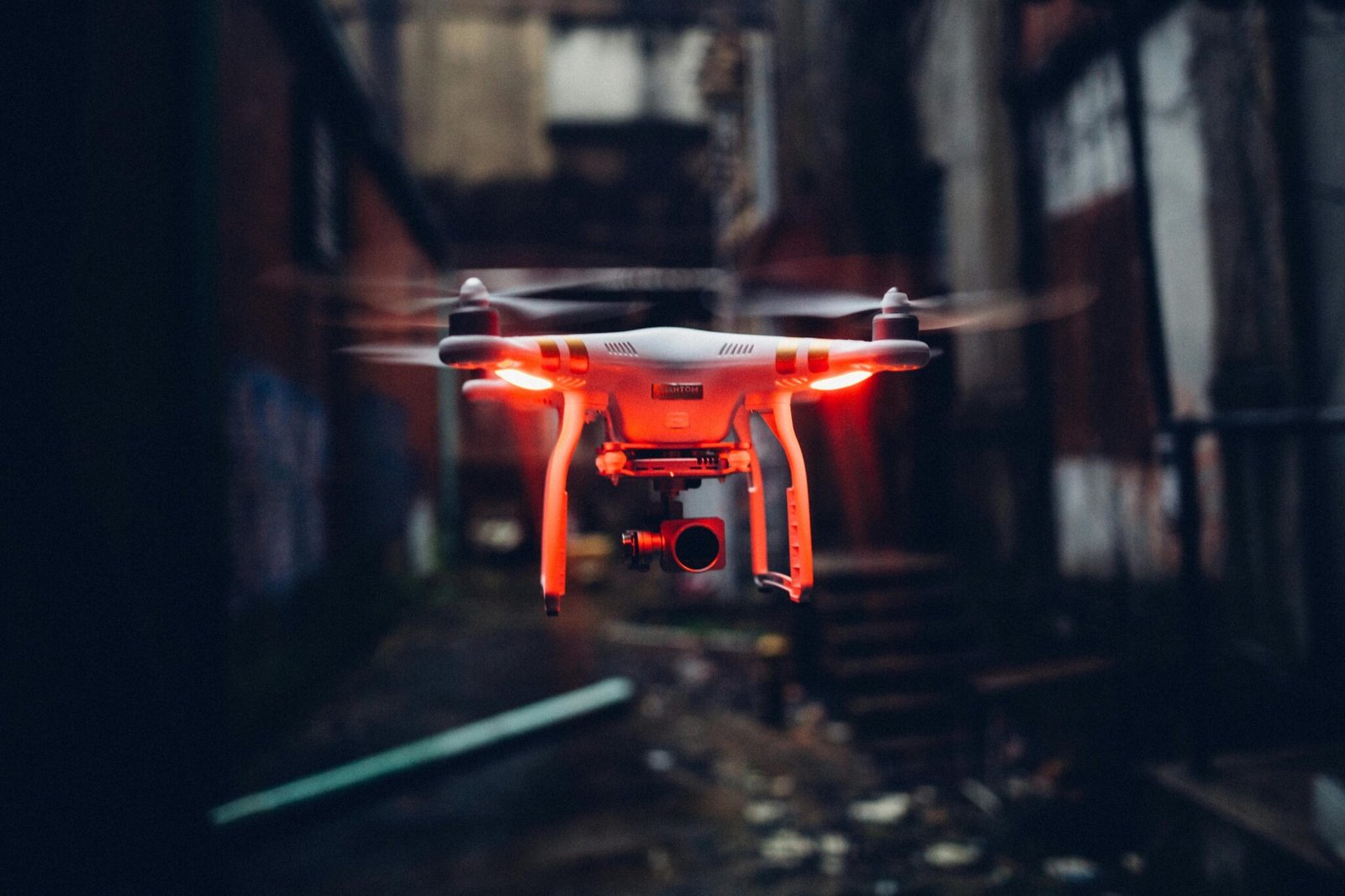




Powering a new era of drone missions means redefining the battery every gram counts. In Taiwan, Joules Miles is betting on high-energy lithium cells to unlock longer flights and smarter sensing for satellite-connected drones.

Drone developers crave power density and reliability, and the push toward satellite links expands what a drone can do in civil, industrial, and defense contexts. Satellite-drone power enables real-time telemetry, precise geolocation, and robust communications even beyond line-of-sight.
Battery design priorities
Joules Miles is refining cells with higher energy density, improved thermal management, and compatibility with lightweight platforms used in mapping, inspection, and emergency response. The focus is on delivering longer endurance without sacrificing safety or payload performance.
Behind the hardware, the Taiwan lithium battery supply chain is expanding. Local suppliers are aligning with drone integrators to meet rising demand for long-range, satellite-ready systems, a trendDigitimes highlighted as part of a broader regional push to secure critical energy for air vehicles.
According to Digitimes, the Leo lithium battery supply chain in Taiwan is growing as factories scale and partnerships form across the ecosystem. This is a key signal for the global market that battery-driven capabilities will increasingly define drone power budgets.
For defense planners, the takeaway is clear: satellite-enabled drones can operate in contested zones with better situational awareness. For commercial operators, stronger power and sensing unlock new use cases from large-area mapping to rapid delivery in challenging environments.
Recent Trends
- Satellite-drone integration accelerates
- Lithium battery supply chains strengthen in Taiwan
- Advanced sensing and AI enable smarter missions
As the industry shifts, expect tighter collaboration between battery makers, drone OEMs, and regulators to establish safety standards and interoperability for satellite-linked platforms. The trend mirrors a broader push to combine power, payload, and connectivity into cohesive flight systems.
Implications for the market
The convergence of power, sensing, and satellite connectivity is poised to reshape OEM partnerships, regulatory expectations, and service models across civil, defense, and industrial drone use cases. Standards bodies may accelerate harmonization for safety and interoperability, while governments weigh incentives to localize battery manufacturing.
Practically speaking, operators should plan for charging logistics, maintenance in remote environments, and compatibility with satellite links when selecting platforms. The trend also opens opportunities for joint ventures between battery makers like Joules Miles and drone manufacturers seeking turnkey, satellite-ready systems.
For readers, the takeaway is straightforward: satellite drone power will define both what drones can do and where they can operate reliably. The next wave of pilots and deployments will test endurance, sensing, and resilience in real-world missions.
Recent field tests and pilots are likely to surface in the coming quarter as more firms align with this vision.

















