
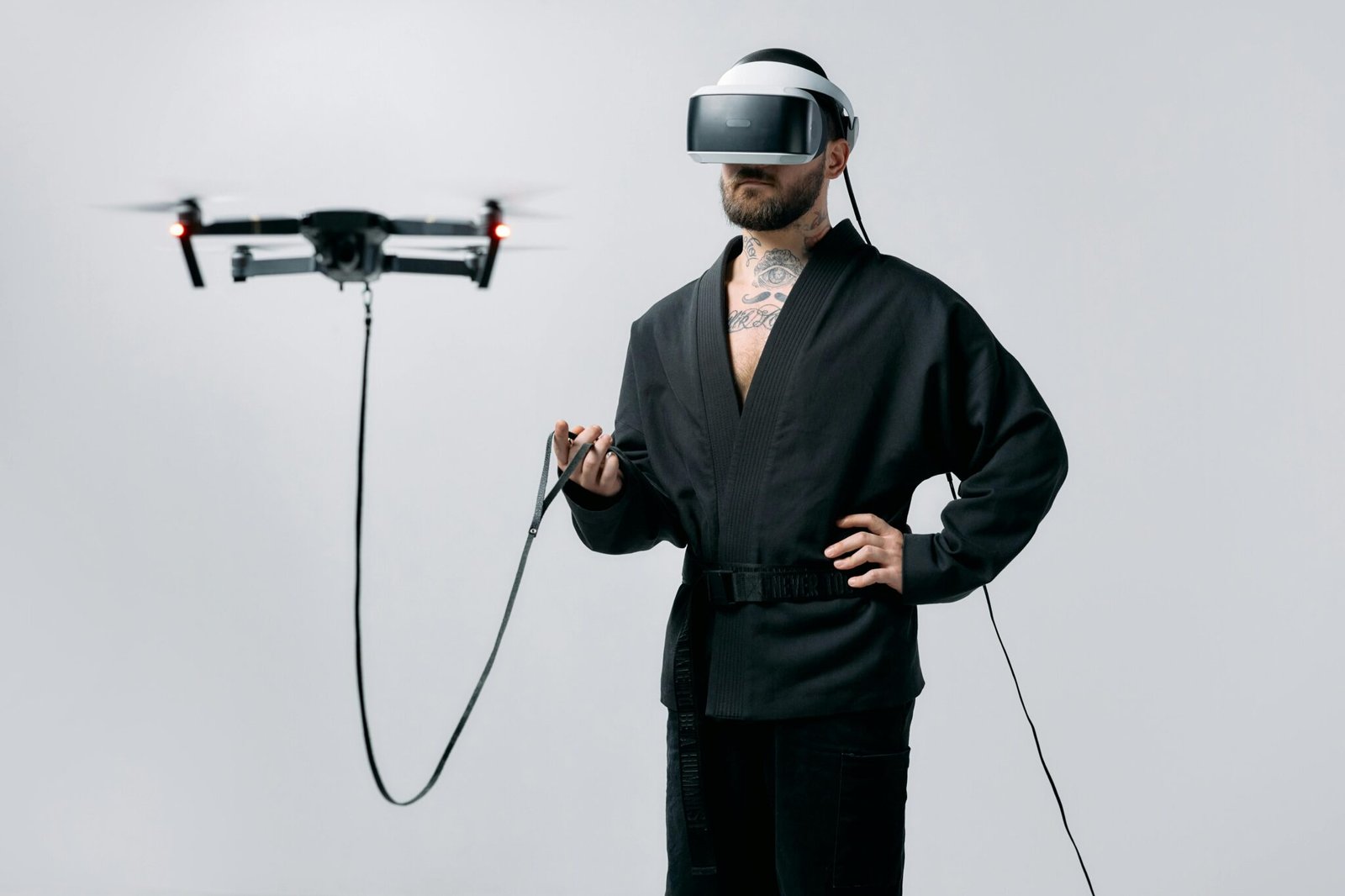




A new wave of AI powered navigation is turning ordinary drone flights into autonomous operations with fewer human inputs. Across industrial inspection, mapping, and delivery tests, the latest sensor fusion and onboard processing enable safer routes, better obstacle avoidance, and more predictable flight times. This week an interesting development is the rapid uptake of AI drone navigation features by fleets eyeing BVLOS opportunities and tighter regulatory scrutiny.
Recent Trends
- AI-driven obstacle avoidance dominates new platforms
- BVLOS testing expands under regulatory pilots
- Enterprise software shifts to subscription models
AI drone navigation reshapes drone operations
AI drone navigation sits at the center of how drones move from novelty tools to reliable autonomous operators. The core idea is to fuse data from cameras, LiDAR, radar, and GPS with on-board compute to plan safe routes in real time. For newcomers, think of it like a self-driving car system adapted for the air. In practice, fleets that adopt AI drone navigation can tackle complex inspections—think wind farms, oil and gas sites, power lines, and big infrastructure corridors—without coordinating every throttle push from a human pilot. The effect is clear: less manual input, higher mission success rates, and the ability to reclaim time for data analysis and decision-making. This is especially valuable for large-scale survey projects where speed and consistency translate into lower operational risk and a faster return on investment.
Operators are seeing a practical upside in not just safer flights but also expanded use cases. When AI drone navigation handles path planning and obstacle avoidance, field teams can deploy drones for longer windows and in more challenging environments. For example, a utility company can run autonomous corridor inspections at night, reducing worker exposure while increasing data density. In markets like energy, transportation, and construction, the ability to execute BVLOS missions with confidence is reshaping project timelines and budgets. In short, AI drone navigation acts as a force multiplier, turning skilled pilots into capable task leads and letting automation carry the routine work.
Why AI drone navigation matters
Beyond convenience, AI drone navigation enhances safety and compliance. Real-time sensor fusion helps drones interpret weather changes, identify HazMat risks, and respect no-fly zones with minimal human intervention. For fleet operators, that translates to better risk management, cleaner data, and more scalable training programs for new operators. The technology also lowers the barrier to entry for smaller teams who need consistent flight quality without a large pool of experienced pilots. And for defense planners, the implications are notable: autonomous navigation reduces exposure risk while increasing the reliability of critical data gathering in contested or hard-to-reach environments. The keyword here remains AI drone navigation, which is now proving to be a practical standard rather than a novel add-on.
Regulatory and safety implications
Policy remains a key driver of adoption. As AI drone navigation improves, regulators are recalibrating risk assessment, flight authorization, and operator training to accommodate autonomous features. Some jurisdictions are piloting streamlined certification tracks for autonomous flight crews, while others stress robust fallback controls and remote supervision. The outcome could be faster approvals for commercial BVLOS operations with appropriate safety nets, plus clearer requirements for data handling and incident reporting. For operators, this means aligning flight planning with evolving rule sets, updating risk registers, and prioritizing software validation as much as hardware capability. With AI drone navigation, the regulatory narrative shifts from guarding the skies to overseeing dependable, repeatable performance. This is the moment where policy and technology reinforce each other to unlock broader use cases.
What this means for your operations
For practitioners, the takeaway is practical and immediate. Start by auditing your software stack to ensure you have a robust AI navigation module that can interoperate with existing sensors and flight control systems. Run controlled tests in geofenced environments before expanding to BVLOS routes. Invest in data management workflows that capture the AI navigation decisions, enabling continuous improvement and auditability. And when choosing platforms, look for interoperability with open ecosystems; the best AI drone navigation solutions work with a wide range of sensors and third-party algorithms, not just a single vendor. DJI’s enterprise platform and Auterion’s open ecosystem, for example, illustrate how mature ecosystems enable safer, more flexible AI drone navigation deployments. For readers still learning the ropes, the essential message is simple: empower your drones with AI, but validate every decision in the real world with clear safety and data protocols. This is a trend that will define how fleets scale in the next 12–24 months.
In practice, operators should run phased pilots that incrementally increase complexity: from fixed routes to dynamic obstacle avoidance tests, and finally to BVLOS corridors under supervision. By gradually expanding the mission envelope, teams can measure reliability, refine risk controls, and demonstrate compliance with regulators. This approach not only proves capability but also builds the organizational muscle needed to sustain growth. For readers curious about tangible steps, begin with a two-step plan: upgrade the onboard AI navigation module and implement a data-driven post-flight review process that tracks decisions, outcomes, and opportunities for improvement.
Conclusion
Across the industry this week, AI drone navigation is moving from a promising capability to a dependable backbone for autonomous flight. The key takeaways are clear: AI-driven navigation improves safety and consistency, expands the envelope for BVLOS operations, and shifts the economics of large-scale drone programs. Regulators are adapting in tandem, aiming to unlock more flights with guardrails that protect people and property. For fleets and operators, the path forward is to pair robust AI navigation with disciplined validation, integration with open ecosystems, and proactive regulatory engagement. The week ahead promises more pilots of autonomy as AI drone navigation becomes a standard feature in modern drones, driving down risk while lifting performance across industrial, commercial, and critical missions.

















