
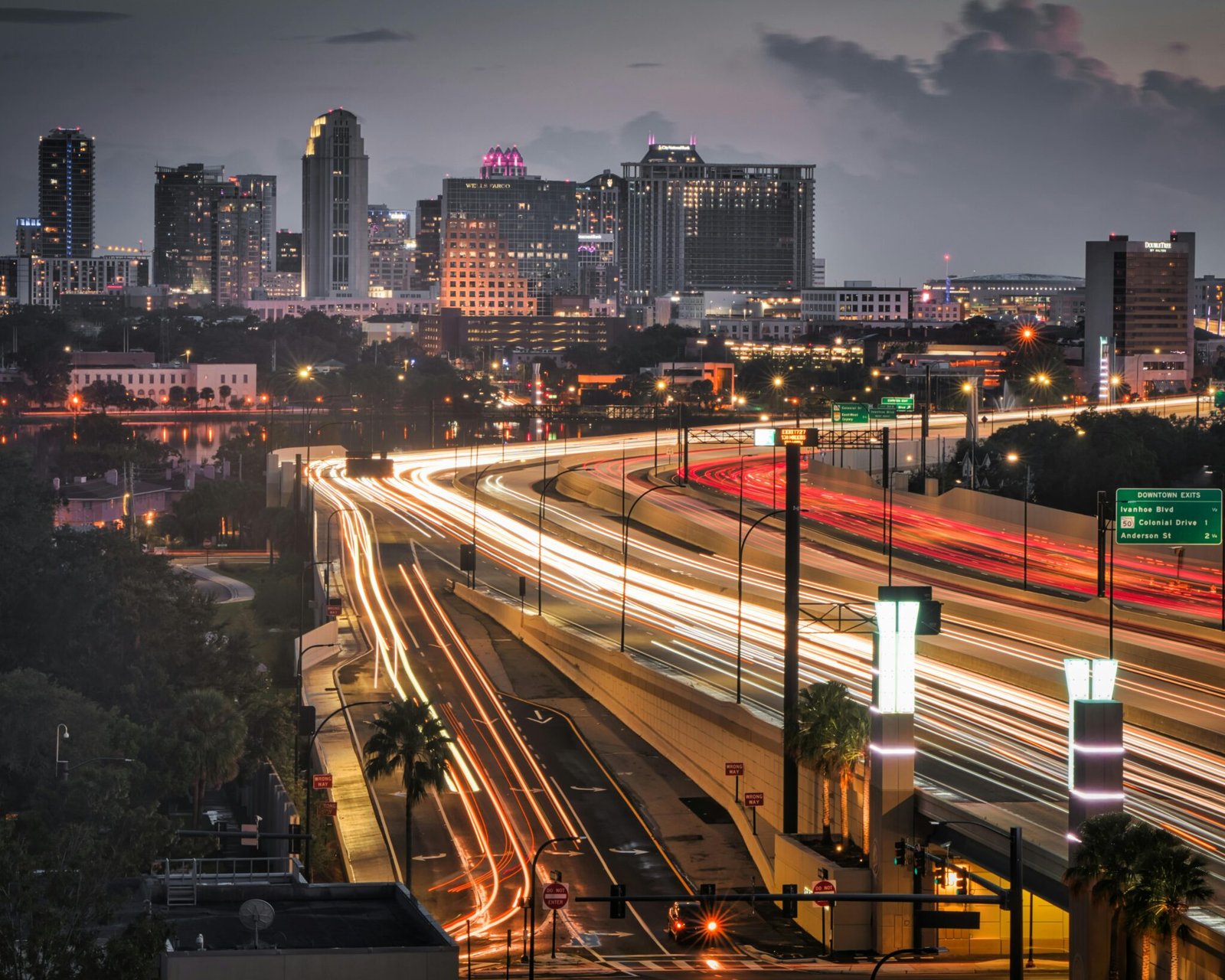




In Miami-Dade, the future of street policing unfolds in a glossy SUV rolling through the night with sensors humming and cameras blinking. The Police Unmanned Ground Vehicle Patrol Partner, or PUG, is being tested as America’s first autonomous patrol car. The project aims to pair self driving capability with AI cameras that feed a centralized data stream to human officers on patrol.
Recent Trends
- Public safety tech pilots expand with autonomous patrols
- Thermal imaging drones gain adoption in policing
- Policy debates shape adoption timelines and funding
The effort is led by the Policing Lab, a nonprofit innovation center founded by former police official Sean Malinowski. The first unit, donated to Miami-Dade by the Policing Lab, signals a test bed for how autonomous policing could function in real streets, not just on a whiteboard. The plan envisions a future where a patrol vehicle can deploy drones on demand, analyze live feeds, and reference local databases to inform decisions on the ground.
Officials describe the PUG as a platform for learning how autonomous police vehicles can integrate into routine workflows. The vehicle is designed to operate on predetermined routes during the trial and will not be cleared to enter highways. Importantly, a human officer rides in the front seat during tests, illustrating a cautious approach to automation rather than a wholesale handoff of authority.
According to Futurism, the autonomous police vehicle can also launch flying drones equipped with thermal cameras for extended situational awareness when ground sensors or human observers need an aerial perspective. It will be plugged into local police databases, license plate readers, and public safety software for a broader, connected view of incidents. This setup raises practical questions about data access, interoperability, and the potential creep of surveillance tools into everyday city life.
For readers weighing the merits of civil technology pilots, the image is compelling yet complex. A single donated unit reduces initial risk, but the cost of expanding the fleet to 5, 10, or more vehicles could strain municipal budgets. The Miami Herald, citing city documents, reported a price range of $150,000 to $200,000 per additional squad car. That math matters for how quickly urban centers can scale automation in public safety roles.
Yet the story goes beyond dollars. If autonomous police vehicles prove reliable, they could alter patrol patterns, response times, and the relationship between law enforcement and residents. The central question is not just whether the tech works, but whether it improves outcomes without eroding trust.
As a broad trend, this Florida test sits at the intersection of drone-enabled surveillance, edge computing, and AI driven decision making. For defense planners and city managers alike, the implication is clear: pilots like this are not just about technology; they signal how governance, budgets, and citizen rights will shape the next wave of public safety tools. For cities considering their own trials, the message is unmistakable: adopt with care, measure outcomes, and insist on transparency.
What the PUG system does
The PUG concept combines a self driving patrol vehicle with an integrated drone capability. When needed, the system can dispatch a drone to extend its line of sight, especially in hard-to-see areas such as rooftops, shrubbery, or stairwells. The vehicle taps into local crime databases and camera networks to enrich its situational awareness, aiming to shorten response times and supplement human officers on scene.
Costs, routes and accountability
The initial unit is a donation, reducing startup costs for the pilot. Officials caution that scaling up will entail capital outlays and ongoing maintenance. The vehicle’s use is restricted to predetermined routes during the trial, and highway access remains off limits to minimize risk. Accountability plans emphasize human supervision and clear lines of oversight, with the front seat reserved for an officer.
Policy, privacy and future implications
The Florida project touches on policy questions that extend nationwide. How will data from AI cameras and drone feeds be stored, shared, and governed? What privacy protections will communities demand, and how will budgets reflect long term maintenance and upgrades? Advocates argue automation can enhance safety, while critics warn of overreach and civil liberty concerns.
As the drone and policing tech industries watch, this case could influence procurement standards, clearance processes, and the pace of adoption in other jurisdictions. If successful, autonomous police vehicles may become a new category in public safety fleets, pushing vendors to balance performance with ethics and accountability.
Conclusion
Florida’s autonomous patrol car trial is a provocative glimpse at how drones and AI might shape future policing. The experiment raises practical questions about cost, safety, and privacy, but it also maps a path for broader adoption of policing technology. The coming years will tell whether autonomous police vehicles become a routine tool or a carefully managed experiment that informs safer, smarter cities.

















