




Remote Launch Drones: London Police Trial
On a rooftop in central London, a weatherproof box waits as a drone stirs to life, ready to respond to the next emergency. The city is piloting a new approach that could shrink response times by launching drones remotely from police control rooms. The Drone as First Responder programme aims to put real-time aerial intelligence in officers’ hands within minutes, not minutes plus the time it takes to mobilize helicopters. This shift signals a broader move toward faster, data-driven decision making in public safety.
Recent Trends
- Autonomous drone operations expand in public safety
- Remote launch models gaining traction in policing
- Cost and environmental benefits of drone fleets vs helicopters
The concept hinges on rapid aerial access. Once activated, a drone whirs into the sky and streams live footage to the command room and to officers on the ground. In Islington, the pilot programme anticipates a two-minute arrival after a 999 call, enabling searches for missing people, tracking suspects, and capturing early evidence while responders move in. The drones are stored in weatherproof boxes atop police buildings, where they sit charged and ready for remote launch, then fly autonomously to a scene before a remote pilot takes over if needed.
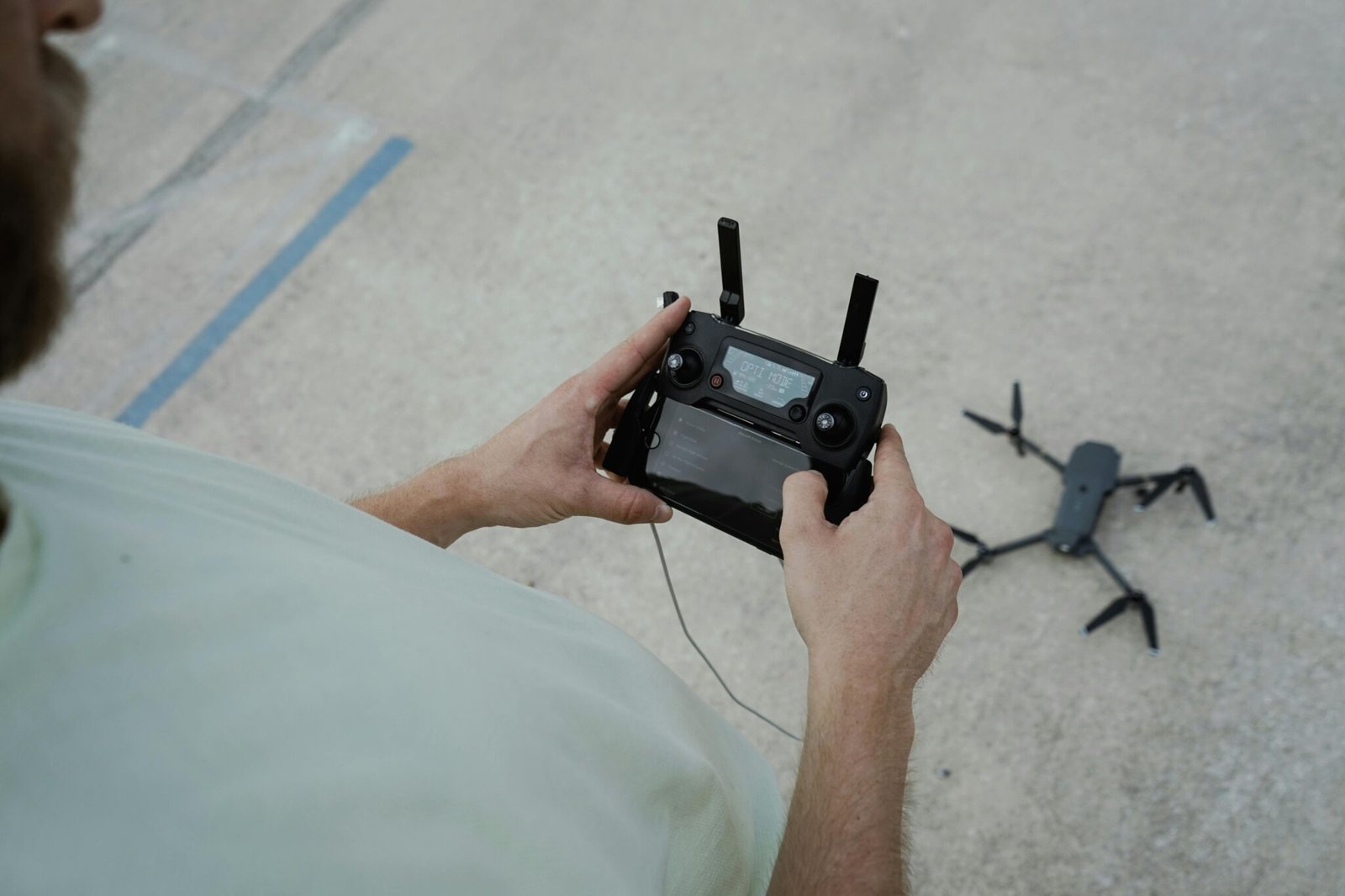
These tools are designed to be faster, quieter, and cheaper than helicopters while delivering the same core effects. In demonstrations, a police officer pilots a drone to show how aerial data can sharpen decision making on the ground and help officers allocate resources more precisely. The Met notes that drones can provide critical situational awareness in chaotic scenes where witnesses may be unreliable or scattered across a large area, potentially reducing the number of officers required for searches or deployments.
Under the National Police Chiefs’ Council (NPCC) drones programme, the London trial will expand beyond Islington to cover the West End and Hyde Park before year-end. The project, now called Drone as First Responder (DFR), has been piloted across several forces with varying environments, from busy urban cores to rural settings. Assistant Commissioner Laurence Taylor, national lead for drones, says the technology enables a more precise and efficient policing footprint and represents a vital new tool for tackling crime in the capital. He adds that aerial support historically helped agencies make informed decisions about deployments and suspect identification, and the new approach accelerates that capability while reducing reliance on traditional aerial assets.
According to Shropshire Star, the Met’s DFR project will be used for a range of incidents—from locating missing people to tracking suspects and recording evidence early in the response. The system emphasizes autonomy, with drones capable of flying to a scene on their own; a remote pilot can assume control mid-mission if required. The drones return to their roof-box base after missions, where weatherproof hatches close and the fleet awaits its next call. The result is a more flexible, agile response that can be deployed rapidly without the need for a large fleet or a ground-based chase by officers on foot or in vehicles.
Superintendent Taryn Evans, who leads the NPCC Drones Programme and oversees the Met’s drone efforts, frames the development as a step change for London policing. She describes Drone as First Responder as a timely convergence of two years of testing and learnings across forces, promising to enhance both officer safety and community protection. The Met notes that the London pilot builds on a broader push toward integrating autonomous flight with human oversight, balancing speed with accountability and transparency in data handling.
For readers, the takeaway is clear: aerial data can reshape how responders decide where to deploy people and assets, especially when scenes are chaotic or witnesses are scattered. The London trial signals a broader shift toward remote-enabled policing tools that blend machine speed with human judgment, potentially redefining how cities address emergency incidents.
What this means for London policing
In practice, the drones sit ready on rooftops and launch remotely when a call comes in. A remote pilot can guide the craft, which then autonomously returns to base after its mission. The model promises faster, more precise information gathering, helping forces target resources, deconflict deployments, and improve safety for officers and the public. If Islington’s experience translates to the West End and Hyde Park, this approach could become a defining feature of urban policing in London and beyond.
Industry implications and safety concerns
Industry observers see a wave of public safety drone programs linked to the NPCC strategy. The success of Drone as First Responder will depend on robust autonomy, secure data links, and clear privacy safeguards that respect civil liberties while boosting operational effectiveness. Regulators will scrutinize deployment standards to maintain accountability as forces scale remote launch and autonomous flight capabilities across different jurisdictions.
FAQs
- What are remote launch drones? Drones deployed from fixed locations using a remote operator or autonomous flight to reach a scene quickly.
- Where is the London trial taking place? Initial work is in Islington, with plans to expand to the West End and Hyde Park.
- Do drones replace helicopters? The programme aims to complement helicopters by offering faster, cheaper aerial support; helicopters remain for high-risk operations.
Conclusion
London’s remote launch drones trial could redefine emergency response by delivering rapid, accountable aerial intelligence. If scaled, the approach may reshape policing workflows, budgets, and community safety in major cities beyond London.

















