
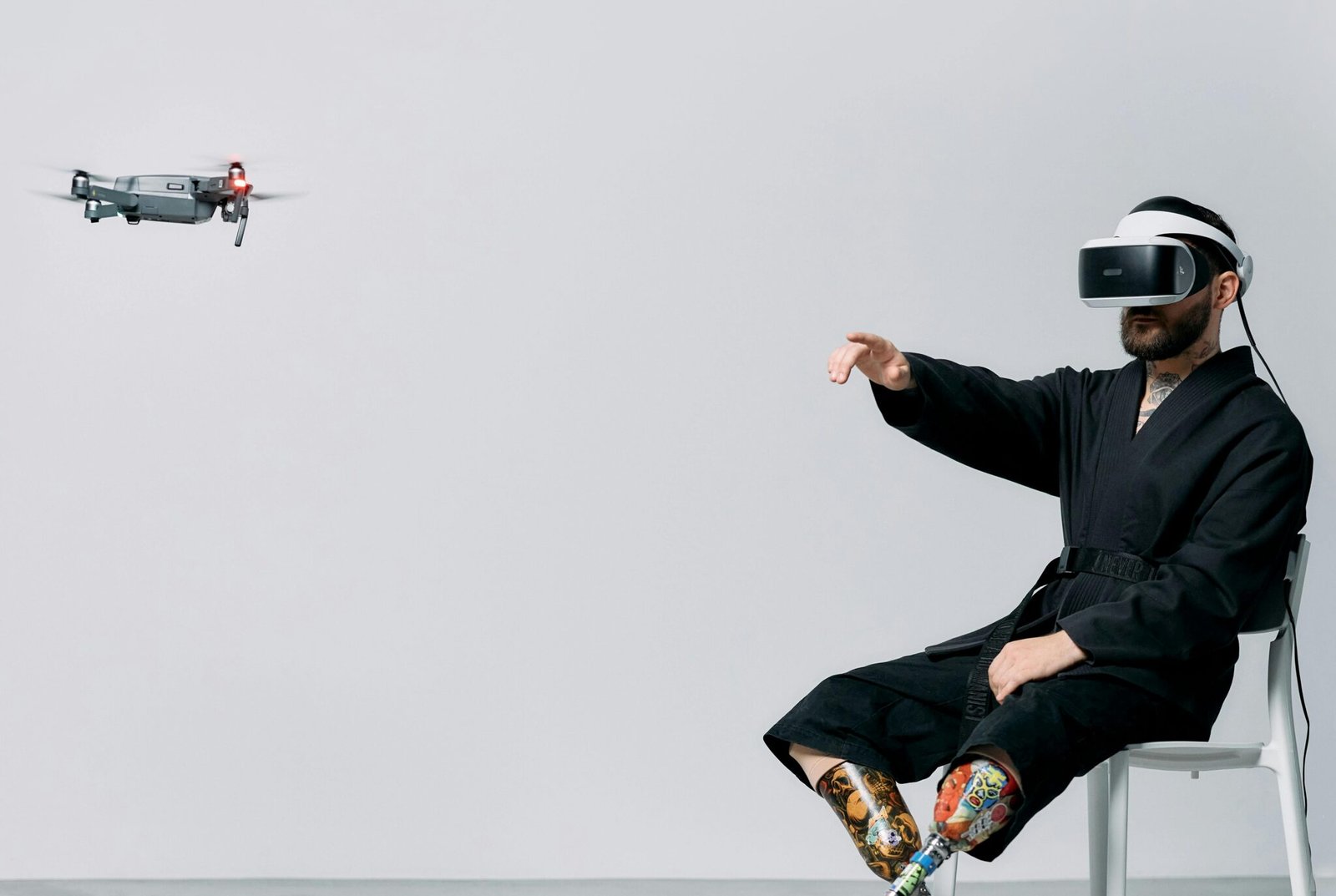




In drone operations, commanding a group of aircraft can feel like conducting an orchestra. The sense of coordinated action is exactly what Draganfly and Palladyne AI are pursuing with a software-led leap in drone swarms. This collaboration signals a shift from hardware-centric gains to software-driven capability that can scale across fleets.
Recent Trends
- AI-enabled drones boost mission agility in defense and public safety.
- Modular software unlocks faster integration across fleets.
- Regulatory focus on NDAA-compliant drones accelerates defense adoption.
Software-powered Swarms Reach New Altitude
The partners plan to embed Palladyne’s Pilot AI into Draganfly’s unmanned aircraft, a move designed to advance autonomous drone swarms and swarm coordination across multiple airframes. The goal is to let a fleet share sensor data, coordinate maneuvers, and respond to changing conditions without sacrificing human oversight. This is a tangible step toward turning individual drones into a cohesive, intelligent unit that behaves as a single system.
At the core, Palladyne Pilot AI is described as platform-agnostic software that runs on edge processors, enabling multiple Draganfly craft to share sensor data and execute coordinated maneuvers under human oversight. This approach shifts value from hardware endurance alone to software-driven autonomy that can scale with fleet size and mission complexity. The emphasis on edge processing means decisions can happen on the aircraft themselves, reducing latency and dependency on cloud connections in contested or remote environments, which is critical for defense and public safety missions.
According to News Linker, the collaboration targets defense, public safety, and industrial uses by allowing fleets to track targets, fuse sensor streams, and adapt to changing environments without constant manual control. In practice, pilots can set high-level objectives and let the swarm handle fine-grained execution, with human operators retaining ultimate authority when needed. For defense planners, the idea is to extend reach and resilience without multiplying the number of operators on the ground.
For Draganfly, the benefit is a deeper, more modular autonomy layer that plugs into its existing platform family. Draganfly CEO Cameron Chell said, “Palladyne AI is enabling drone platforms to incorporate autonomy features that were even recently limited to large and costly systems.” By embedding Palladyne Pilot, the company aims to bolster its modular framework and deliver mission-critical autonomy that reduces operator workload while expanding swarm capabilities across complex use cases. The result could be fleets that perform reconnaissance, inspection, or search-and-rescue tasks more efficiently, with fewer hands on the stick during routine operations.
Beyond the product pitch, the deal carries regulatory and market implications. Deployment outside the United States remains subject to approvals, and Draganfly has positioned Drone Nerds as an NDAA-compliant reseller and Global Ordnance to accelerate defense adoption in allied countries. These steps highlight a broader push toward compliant, export-ready solutions that can be deployed in international defense and civilian markets alike. In practical terms, buyers will weigh how quickly a software-defined swarm can be integrated with existing workflows and regulatory regimes, rather than how many miles a single drone can cover.
The shift toward software-defined autonomy mirrors a broader trend in the UAV sector: vendors are leaning on modular, hierarchical software to unlock new use cases without re-architecting hardware for every scenario. For buyers, the takeaway is clear: a fleet’s value increasingly depends on how well its software coordinates airframes, not just how far or fast a single drone can fly. Companies pursuing inspections, logistics, or emergency response will want to assess how well a platform can scale from a handful of drones to dozens or hundreds under a single operator.
FAQ
- What is Palladyne Pilot AI?
- A software suite that enables autonomous, coordinated flight across multiple drones using edge processing and sensor fusion.
- Is the rollout NDAA compliant?
- Yes, Draganfly notes NDAA-compliant drones will be part of the distribution through partners such as Drone Nerds.
Conclusion
The collaboration signals a maturation of drone autonomy from isolated pilots to cohesive fleets. For defense planners and industrial operators, the message is simple: software-defined swarming is moving from experimental programs to practical, deployable capability.

















