
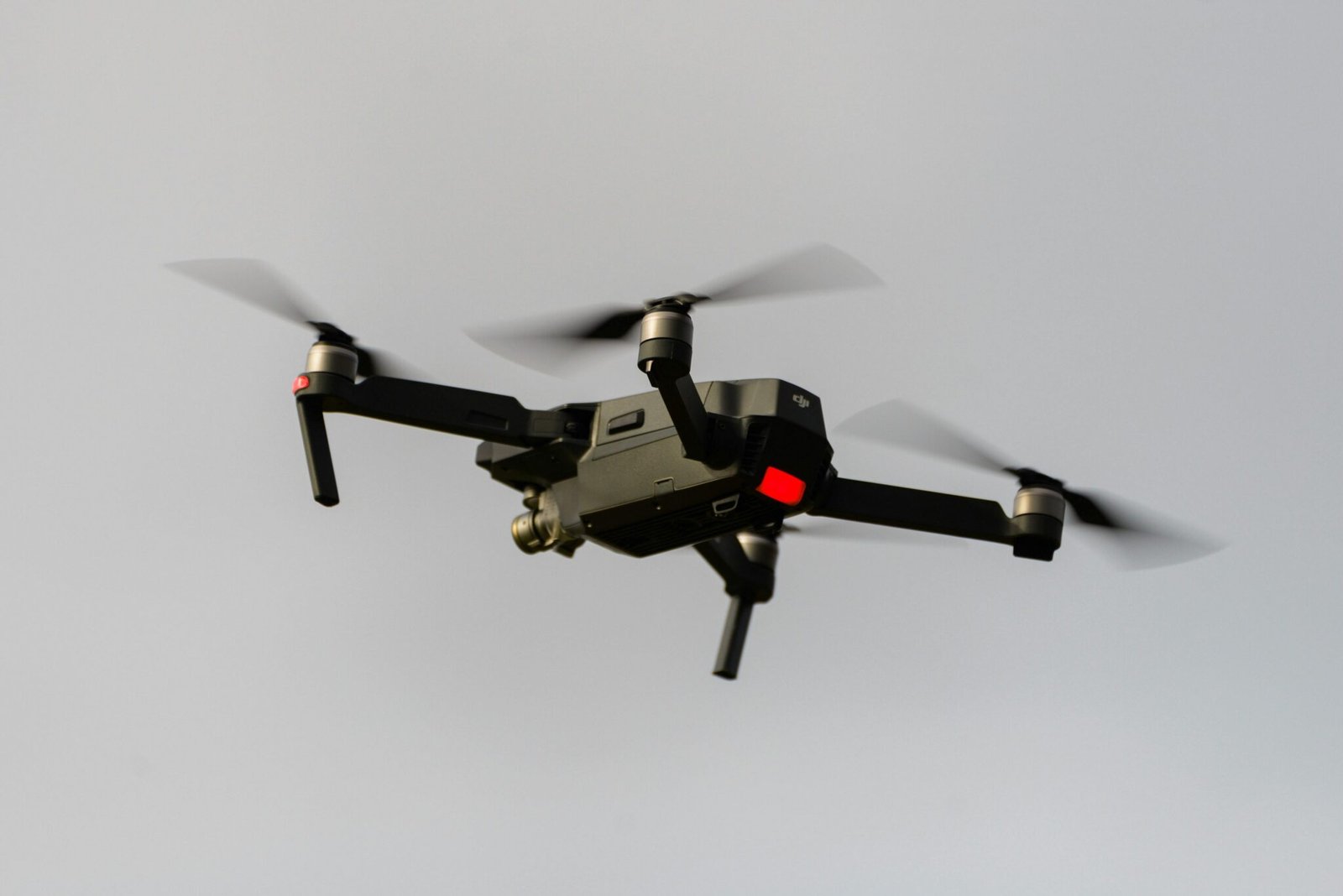




From refinery towers to offshore platforms, a quiet revolution is taking place in how we survey and maintain critical assets. The week brings a clearer signal that autonomous drone inspections are moving from pilots and test sites into regular workflows. This week an interesting development is the rising confidence that autonomous drone inspections can perform routine surveys with minimal on-site human oversight while delivering higher accuracy and faster turnaround times. In practice, operators are combining new autonomy software with robust sensor suites to create end-to-end inspection loops that were once the exclusive domain of manned teams.
Recent Trends
- BVLOS flight demonstrations expand for infrastructure surveys
- AI-driven anomaly detection enhances inspection accuracy
- Industrial pilots scale drone programs across oil, utilities, and facilities
What is changing is not just the tools but the mindset around who can oversee asset surveys and how fast findings can be translated into maintenance decisions. The core advantage of autonomous drone inspections lies in repeatability and data integrity. With a trained flight plan, onboard sensing, and edge computing, drones regularly capture high-resolution imagery, LiDAR or thermal data, and then run automated analysis to spot anomalies ranging from corrosion fatigue to insulation gaps. Experts say this is not a gimmick; it is a practical shift toward operational excellence that scales across industries.
In practice, several real-world deployments are illustrating the trend. For instance, in the energy sector, operators are now using autonomous drone inspections to monitor elevated structures, pipelines, and flare stacks. A common setup involves a Percepto-like autonomous platform paired with rugged UAVs that navigate complex facility layouts, avoid restricted zones, and report anomalies via secure dashboards. The consequence is faster defect detection, fewer workers exposed to risky environments, and a paper trail of standardized inspection records. This aligns with broader industry moves toward digital twins—virtual replicas of physical assets that enable proactive maintenance and predictive analytics.
BVLOS Operations Accelerate Inspections
Beyond the yard, the ability to fly Beyond Visual Line of Sight (BVLOS) without a pilot on site is accelerating asset inspections at scale. Regulators in several regions are loosening restrictions around BVLOS corridors for industrial use cases, with safety case pilots and collaborative agreements between operators and air traffic management. For asset-heavy industries like power, water utilities, and petrochemicals, BVLOS reduces travel time to remote or hazardous sites and unlocks more frequent inspection cadences. The result is a dependable data stream that feeds maintenance planning and risk assessment in near real time. This shift matters: it reshapes project timelines, lowers lifecycle costs, and helps companies meet increasingly stringent uptime requirements.
AI Navigation, Sensor Fusion, and Safety
Autonomous drone inspections depend on AI navigation and sensor fusion to handle unpredictable environments. The latest systems blend visual data with thermal imaging, LiDAR, and multispectral sensors to deliver a holistic view of asset health. AI models trained on thousands of flight hours can flag subtle corrosion patterns or insulation faults that would escape a human observer. For readers new to the field, think of sensor fusion as blending multiple camera lenses into one smart instrument that understands not just what is seen but why it matters. The practical benefit is fewer false positives and quicker, more confident decision making for maintenance crews.
Another noteworthy trend is the white-hot competition to improve autonomy algorithms while maintaining a strong safety case. Operators are partnering with drone manufacturers and software platforms to test autonomous missions in controlled environments before scaling to live facilities. The emphasis on closed-loop feedback—data collected on each flight informs the next mission—helps teams tune flight paths, optimize data capture, and continuously improve the quality of inspection insights. For defense planners and civil operators alike, the takeaway is clear: continuous improvement in autonomy translates into more reliable inspection programs with lower risk profiles.
Industry Case Studies and Market Momentum
Across sectors, case studies are increasingly tangible. An energy company leveraged autonomous drone inspections to monitor thousands of assets across a regional grid, achieving faster issue discovery and more consistent documentation than traditional manned surveys. In utilities, utilities operators report fewer site visits with more repeatable metrics, enabling them to shift budget toward data analytics and cybersecurity protections for drone fleets. These examples illustrate a broader market momentum: autonomous drone inspections are transitioning from niche pilots and demonstrations into core operational routines that support reliability-centered maintenance, asset life extension, and safer work practices.
For equipment manufacturers and service providers, the week highlights a simple truth: the value chain for autonomous drone inspections is maturing. Hardware is durable enough for harsh environments; software stacks are becoming interoperable and certified; and regulatory frameworks are gradually harmonizing around common safety standards. This combination lowers barriers to entry for new players while offering existing users clearer upgrade paths. In short, the next wave of automation is less about flashy capabilities and more about durable, scalable performance in real-world settings.
From a policy perspective, regulators are understandably cautious but increasingly constructive. Clear guidelines on data privacy, airspace access, and operator training are emerging, and those rules are shaping how companies structure risk assessments and incident reporting. In addition, the ongoing push to standardize data formats and exchange protocols helps ensure that inspection data can be integrated with enterprise asset management (EAM) systems and digital twins. This is crucial for long-term value creation; it turns daily inspection reports into actionable intelligence that informs capital planning and safety programs.
Conclusion
Autonomous drone inspections are moving from experimental pilots to everyday workflows, delivering tangible gains in speed, accuracy, and safety. The combination of BVLOS capabilities, AI-driven analysis, and sensor fusion is redefining how industries track asset health and schedule maintenance. This week’s developments show a clear path toward more automated, data-driven inspections that reduce risk and extend asset life. For infrastructure teams and technology leaders, the message is unmistakable: invest in robust autonomy, integrate with enterprise data, and prepare for a future where drones are a standard, trusted pillar of asset management.

















