


On a windy morning in North Dakota, a new line of defense begins to take shape on the tarmac at Grand Forks Air Base. The plan to install a counter-UAS system from AeroVironment signals a broader push to harden critical infrastructure against unmanned threats. The project fits into a wider DoD effort to deter and defeat drones that operate in civilian airspace or near sensitive facilities. For defense planners, the takeaway is simple: threats from above are being met with layered, automated defenses.
Recent Trends
- Rising demand for base defense against low cost drones
- Growing investment in counter-UAS tech and services
- Regulatory scrutiny shaping deployment decisions
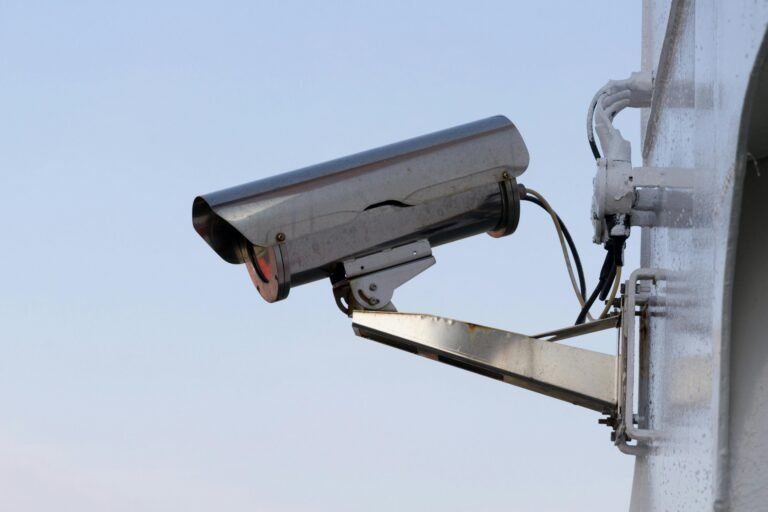
Counter-UAS systems are designed to detect, track and, when authorized, mitigate or defeat unwanted drones. In practice, that means a mix of sensors such as radar and electro‑optical cameras, plus control software that can trigger countermeasures. Countermeasures range from alerts and safe rerouting to non-lethal means like radio frequency interference or GPS spoofing, depending on policy and risk tolerance. The goal is to delay an intruding drone long enough for intervention, without harming people or critical equipment. This kind of capability turns a single rogue drone into a controllable security incident rather than a catastrophic failure.
This deployment marks progress for the counter-UAS system concept, illustrating how bases now pursue layered security that can be scaled as threats evolve. For base operators, the objective is not a single gadget but an integrated solution that can operate in tandem with perimeter fencing, patrols, and other security measures. According to Investing.com, the project underscores a broader wave of base-level drone defenses being fielded across the United States, reflecting a persistent risk environment and a push to modernize infrastructure with commercial off‑the‑shelf technologies where appropriate.
Industry observers note that AeroVironment joins a growing field of specialized vendors racing to deliver practical, field-ready counter-UAS system solutions. The defense market has seen a mix of hardware and software companies that combine sensors, command‑and‑control tools, and a choice of mitigations. Fortem and Dedrone, among others, have previously demonstrated similar capabilities at other sites, signaling a shifting landscape where speed, reliability and ease of deployment matter as much as the underlying tech. The Grand Forks project helps normalize the idea that drone defenses can be deployed quickly to protect high‑value facilities without imposing heavy, bespoke builds on every site. For readers outside the defense sector, this trend signifies how the industry is maturing from pilots and proofs of concept to deployable, tuneable systems that can be adapted to different bases and missions.
Policy and regulatory considerations shape how these systems are used. Regulators want to ensure that counter-UAS operations do not disrupt civilian airspace or create unintended risks. The DoD has been advancing a layered defense approach, testing and refining how sensors, data fusion, and controlled countermeasures work in concert. The Grand Forks deployment demonstrates how the military is moving from isolated demonstrations to practical, recurring deployments at multiple locations. This shift matters for the market because it creates a predictable demand curve for integrated, reliable counter-UAS solutions that can withstand harsh environments and busy airfields. For operators of civilian drones, the message is clear: where allowed, drone detection and deterrence tools are becoming more common, but keep in mind the evolving rules and operating boundaries that govern their use.
Reader-facing takeaway: as campuses, airports and bases consider risk resilience, the practical question becomes how quickly a base can integrate a robust defense layer that scales with threat levels. The Grand Forks effort shows the industry’s ability to deliver that capability in real time, a milestone for makers and buyers alike.
What deployment signals for the base and the industry
The Grand Forks project signals a trend toward rapid fielding of counter-UAS systems at strategic facilities. Bases are balancing security needs with cost and operational continuity, preferring modular systems that can be upgraded as technology evolves. For the industry, it means more opportunities to demonstrate real-world interoperability with existing security architectures and to streamline integration with command channels and response protocols.
Technology options and what counter-UAS entails
At a high level, a counter-UAS system pairs detection and identification with a defined response. Detection relies on a blend of sensors, while identification helps distinguish friendly from hostile devices. The countermeasures component varies by policy and risk appetite; it can include alerts, redirected flight plans, or non-lethal mitigations. The practical takeaway is that success hinges on reliable sensing, fast data fusion, and predictable, controlled responses that minimize collateral effects while preserving safety and civil aviation integrity.
Policy, regulation, and future outlook
Regulatory frameworks are catching up to the rapid pace of UAS defense technology. In the United States and allied nations, policymakers are emphasizing governance, risk management, and clear lines of authority for defensive measures. The Grand Forks deployment aligns with a broader trajectory toward standardized, repeatable counter-UAS deployments that can be adapted across bases and civilian facilities. Looking ahead, expect more bases to pilot modular defense packages that combine commercial sensors with purpose-built defense software under strict oversight.
FAQs
- What is a counter-UAS system?
- A counter-UAS system is a suite of sensors, software and, when appropriate, non‑lethal mitigations designed to detect, track and respond to drones that pose a security risk.
- Why Grand Forks Air Base?
- Grand Forks is a strategic facility in the region, and the deployment reflects a broader push to harden bases against unmanned threats as part of national defense objectives.
- What does this mean for drone operators?
- Drone operators should stay compliant with airspace rules and local regulations. Security deployments may impose temporary operational restrictions in or near protected areas and emphasize safe, authorized flight paths.
Conclusion
The AeroVironment move at Grand Forks offers a concrete glimpse into how defense and industry are converging on practical counter-drone protections. The deployment not only raises the baseline of security at a key base but also signals a maturing market where scalable, field-ready counter-UAS solutions become a regular part of the infrastructure landscape. For policymakers and operators, the lesson is clear: drone defense is becoming a standard facet of modern security planning, not a niche capability reserved for high-profile tests.