
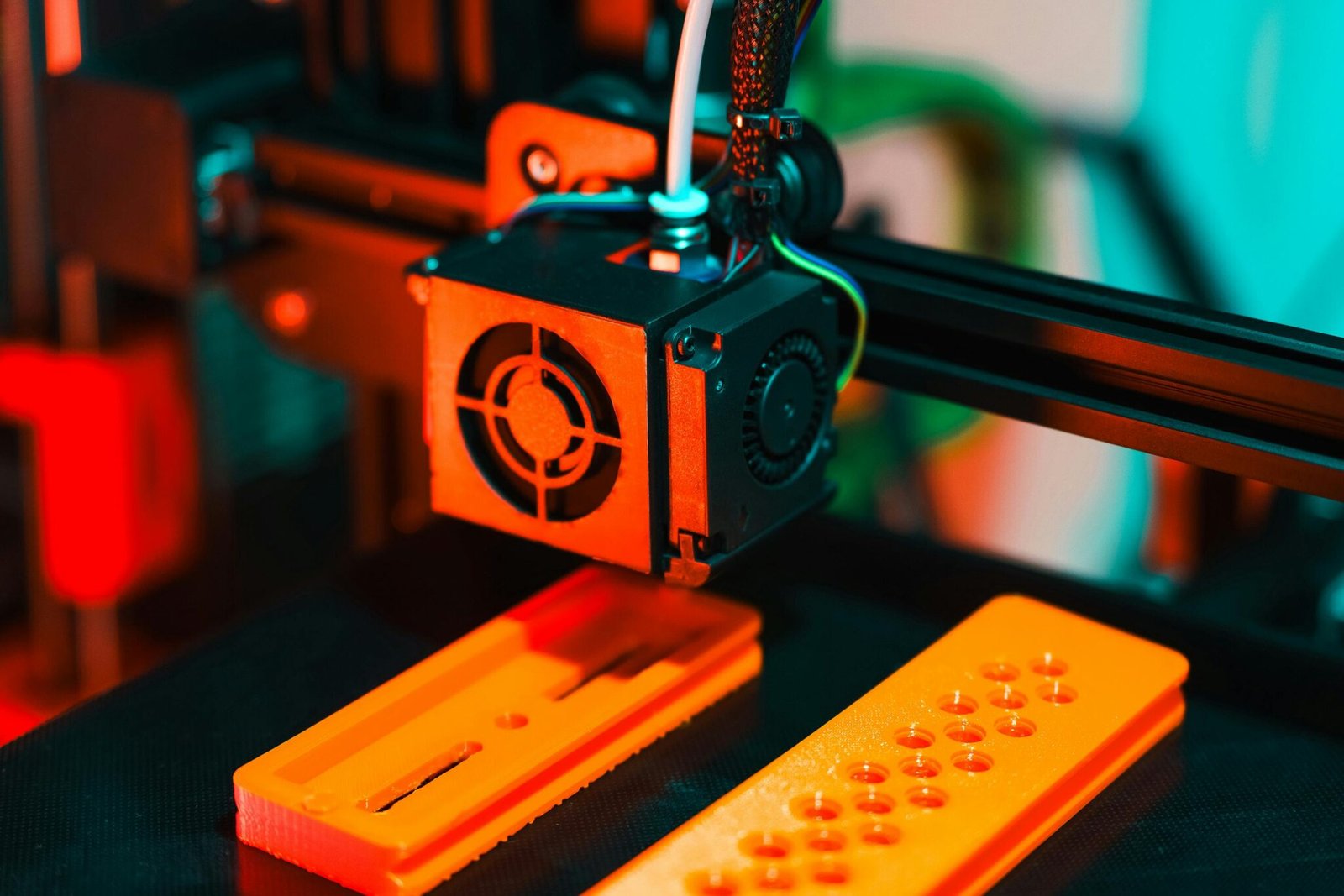




From the hum of high-speed 3D printers in a sunlit Army lab to the clatter of metal jigs, the push to mass-produce drones is no longer a side project. The objective is blunt: convert prototypes into field-ready air vehicles at scale, with 3D printing serving as a central pillar. The vision is simple in concept—faster design, quicker fixes, and a smaller footprint on the factory floor—but the implications ripple through procurement, training, and how the military thinks about future combat logistics.
Recent Trends
- Additive manufacturing expands in military supply chains
- Drones move from prototyping to field-ready mass production
- Defense procurement eyes scalable, on-site manufacturing
At its core, the effort leverages additive manufacturing to shorten development cycles for aerial systems. Engineers test new airframes, payload bays, and autopilot housings in days rather than months, then push proven designs into production. In practice, this means printing replacements and upgrades on demand at bases or depots, reducing downtime and dependency on distant supply lines. Industry partners and military labs are pairing printers with streamlined workflows to certify parts quickly, a necessary step when every minute of downtime can affect mission readiness.
According to Reuters coverage of Army drone manufacturing and 3D printing at scale, the service is pursuing a broader strategy that blends on-site fabrication with centralized standards. The aim is not just to blast out a single design, but to build an adaptable library of parts that can be mixed and matched across different drone platforms. That flexibility could prove vital in contested terrain where supply routes are vulnerable or when field teams need a quick upgrade after a sensor failure or weather event.
Why it matters
The shift toward mass-produced, 3D printed drones affects three big arenas. First, the defense manufacturing ecosystem gets a new cadence: design, print, test, certify, deploy, repeat. Second, cost dynamics shift. While 3D printing can lower unit costs for low-volume or highly customized parts, it also requires new quality assurance regimes, traceability, and part libraries that can be accessed on demand. Third, the policy lens tightens. Standards for military-grade printing, supply chain resilience, and battlefield sustainment need clearer rules so units can operate with confidence in the air and in the depot.
Real-world context
In practice, the Army Futures Command and its rapid prototyping channels are exploring how 3D printed components fit into a broader procurement strategy. While the details of specific contracts remain under wraps, the direction is unmistakable: embrace distributed manufacturing to shorten lead times and reduce the risk of supply shocks. For defense planners, the takeaway is simple: your toolkit must include scalable, on-demand production capabilities that can support a growing family of unmanned systems without paralyzing the supply chain.
For civilian readers, the move also signals a broader trend—industrial ecosystems that blend digital design, local manufacturing, and agile testing. This is not just about drones. It foreshadows how other critical platforms—communications gear, sensors, and autonomous vehicles—could be built closer to the point of need, with better resilience against disruptions.
Readers should watch how standardization evolves. If the Army can certify a modular set of 3D printed components across multiple drone platforms, the gap between prototype and production shrinks dramatically. The practical effect for soldiers could be more uptime, faster repairs, and easier maintenance in remote theaters. And for defense contractors, the message is clear: invest in open, interoperable printing workflows and a robust certification pipeline, not just one-off prints.
In short, the message to the field is unmistakable: scalable 3D printed drones are not a novelty item but a strategic capability. As the Army tightens the loop between design and deployment, the line between factory floor and battlefield blurs, introducing a new tempo to military logistics. For readers outside the military, this is a harbinger of how manufacturing in the digital age will increasingly hinge on rapid prototyping, distributed production, and robust standards. As one analyst puts it, what starts as a print file can become a mission-ready asset in days, not months.
For defense planners, the takeaway is concrete: plan for an industrial base that can deliver reliable, certified parts on demand. The rest of the force will follow, leveraging faster upgrades, improved maintenance cycles, and a more resilient supply chain that can adapt to uncertainty on the battlefield. That shift could redefine how future wars are fought and won, with mass-produced drones playing a central role in reconnaissance, communications, and precision engagement.

















