
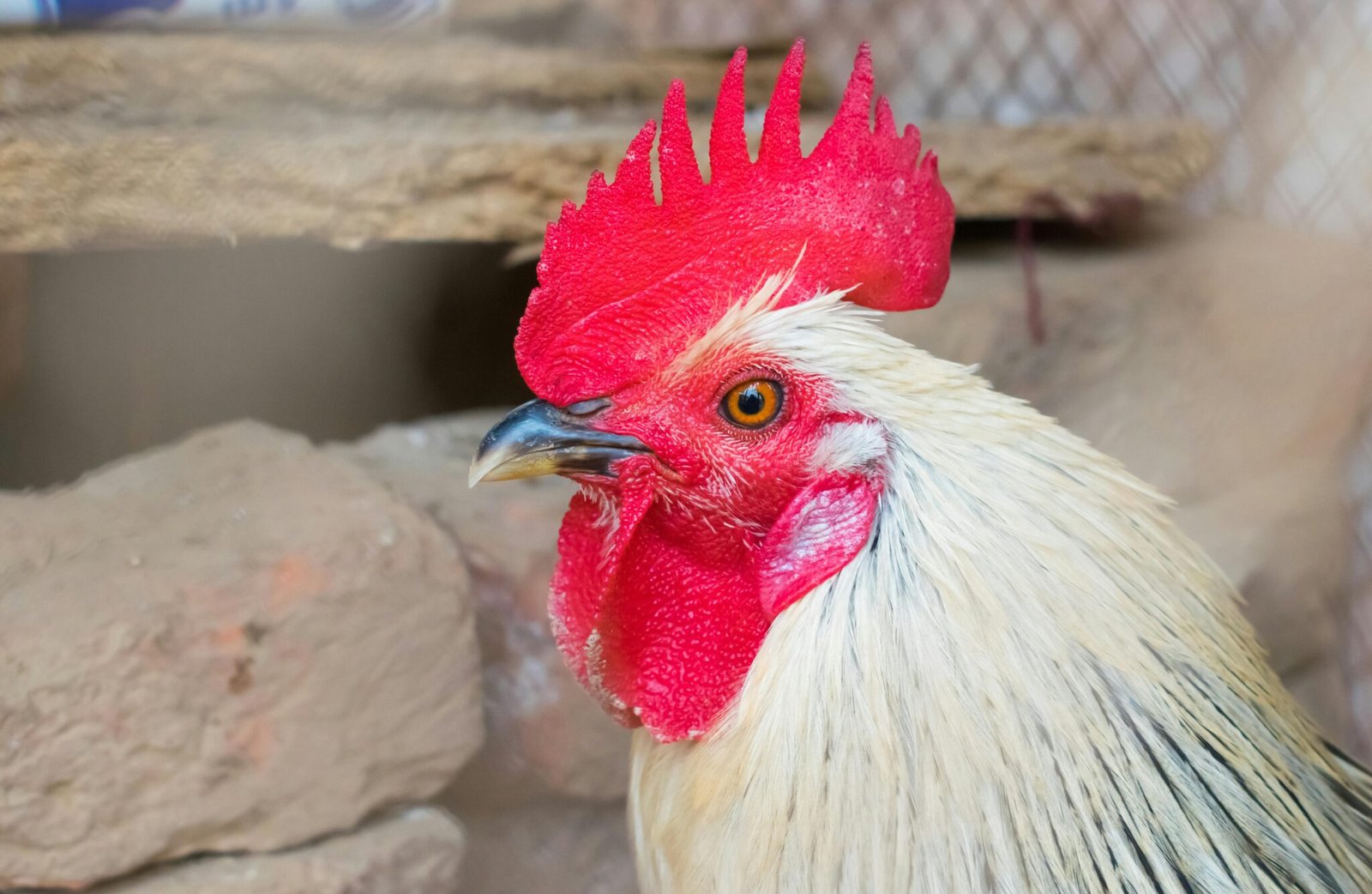




On quiet mornings on Japanese poultry farms, a new guardian keeps watch from the sky: a laser-equipped drone that nudges wild birds away rather than harming them. The aim is simple but ambitious: stop birds that can carry avian influenza from reaching the coops, protecting flocks with a non-chemical, silent safeguard.
Recent Trends
- Drone-based biosecurity expands in farming
- AI and sensors advance farm protection
- Subsidies accelerate adoption in agriculture
The effort is led by Nippon Telegraph and Telephone (NTT) in collaboration with NTT e-Drone Technology, NTT East, and the Chiba Prefectural Government. Their BB102 drone patrols farm perimeters around the clock, but it does something different: it uses red and green laser beams to deter birds without releasing chemicals or exerting force. The system is designed to create an aerial protective net that keeps wild birds at distance, and by extension reduces the risk of virus spread onto farms.
How the BB102 System Works
When a drone spots birds, it flashes laser beams in carefully timed patterns. The flashes are intermittent to prevent birds from habituating, a key to preventing adaptation that would blunt the defense over time. The approach offers a lightweight, low-noise option that can operate in varied weather and does not disrupt ongoing farm work. Farmers gain a tool that complements existing measures rather than replacing them entirely, forming a layered defense against disease vectors.
Officials describe the laser sequences as a humane method to deter birds while avoiding the environmental downsides of chemical repellents. Unlike gas cannons or nets, the BB102 system is silent, automated, and scalable across multiple sheds and fields. The goal is not to eliminate birds but to keep them at a safe aerial distance, reducing opportunities for the flu to jump from wildlife to poultry.
Mashable Me notes that the program is part of a broader push toward precision agriculture and AI-powered farm management, with subsidies from the government designed to accelerate adoption. Earlier this year, a major avian influenza outbreak in Chiba Prefecture led to the culling of more than 3 million birds, illustrating the stakes and why a proactive approach matters. According to Mashable Me, the new drone system seeks to change that calculus by stopping outbreaks at the source rather than only responding to them.
Key Benefits and Practical Impacts
For farm operators, the technology promises several advantages: it is non-toxic, operates continuously, and can cover large farm footprints without the logistical overhead of installing nets or firing cannons. The use of visual laser cues minimizes stress on birds while still delivering a measurable deterrent. The autonomous nature of the BB102 system means farms can maintain protective coverage day and night, even as staffing levels fluctuate.
From a broader industry perspective, the laser drone approach aligns with a growing trend toward high-tech biosecurity in agriculture. It complements other data-rich tools such as camera networks and sensor arrays, feeding into AI-driven decision systems that optimize when and where to apply protections. For readers wondering about safety and ethics, the lasers are designed to influence behavior rather than cause harm, a nuance that can ease regulatory concerns in many markets.
Why This Matters for Farmers, Regulators, and Insurers
Biotech and drone ecosystems are converging to reshape how poultry farms manage disease risk. If scalable, the BB102 concept could extend beyond Japan to other regions facing similar wildlife-transmitted flu threats. Regulators may look for standardized testing, clear safety protocols, and transparent performance data before widescale approval. Insurers could begin to view laser-based deterrence as a risk-reduction measure that lowers the probability of large outbreaks and atypical culling events.
For readers, the takeaway is clear: proactive, data-informed tools are becoming the backbone of modern farm biosecurity. The approach is not a silver bullet, but it adds a practical, lower-impact option that can work in tandem with vaccination programs, farm hygiene practices, and wildlife management efforts. For defense planners and policymakers, the message is unmistakable: automation and targeted deterrence are shaping the next decade of agricultural resilience.
Policy and Market Implications
Japan’s subsidized rollout signals a policy pivot toward tech-enabled farming. If pilots prove durable, expect stronger investment in drone platforms, edge AI processing, and cross-agency collaboration between agriculture ministries and tech firms. The model could inspire similar programs in other countries where wild birds contribute to disease risk, potentially stimulating a new segment in agtech hardware and services.
Adoption Challenges and Global Outlook
Nevertheless, challenges remain. Bird behavior varies by species and season, so programs will need adaptation. Integration with existing biosecurity measures, farm layouts, and privacy considerations will shape uptake. Yet with ongoing improvements in battery life, sensor fusion, and automated flight planning, laser drone deterrents are poised to become a standard tool in the farmer’s security toolkit.
For the larger audience, the takeaway is this: technology is reducing the cost of proactive protection. The combination of autonomous patrols, human oversight, and subsidies creates a compelling case for broader deployment across multiple crop and livestock operations.
Conclusion
The move by Japan to test laser-equipped drones as a biosecurity measure marks a notable shift in how farms manage disease risk. By deterring infectious wildlife rather than simply reacting to outbreaks, growers can lower culling risk, reduce chemical use, and gain a more resilient operation. While not a universal replacement for all controls, the BB102 model demonstrates how drones can become a practical component of poultry farm defense, reinforcing the industry’s trajectory toward smarter, safer, and more sustainable farming.

















