
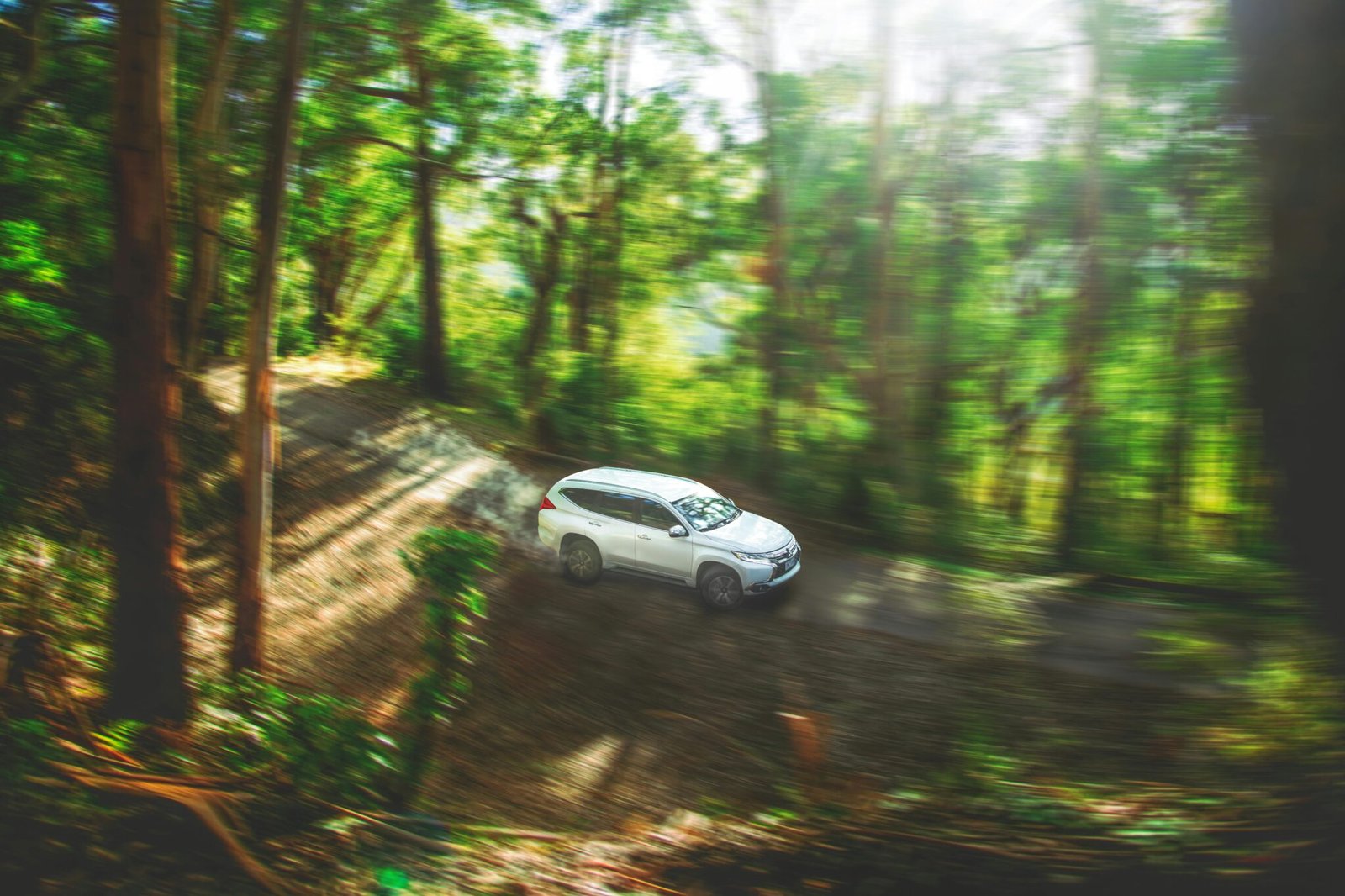




A drone hovering above a rugged trail could become a new co-pilot for drivers navigating rough terrain. Toyota is exploring this concept not as a gimmick but as a practical safety aid that helps a driver see hazards around and beneath the vehicle. The idea is to translate external scenes into actionable information inside the cabin, rather than relying on cameras alone.
Recent Trends
- Drones becoming safety tools in mobility
- Regulators discuss BVLOS rules for drones
- Off-road drone testing grows with rugged vehicle platforms
Toyota’s filing with the U.S. Federal Aviation Administration outlines a system designed to boost situational awareness when the terrain or weather makes a driver exit risky. The drone would typically stay close to the vehicle and provide live video feeds to orient the driver, with occasional flights above treelines to map terrain as needed. In this concept, companion drones would serve as an in-vehicle sensor suite, turning external views into actionable data rather than mere footage for social media. The aim is to support safer navigation, especially in difficult off-road environments where traditional cameras and radar have limits and where the driver still controls the vehicle.
Companion Drones in Cars
Historically, automakers have toyed with deploying drones inside concept cars to enhance safety and situational awareness. The Lexus LF-30 Electrified and the Polestar O2 showcased deployable drones integrated into the vehicle as part of a design study, while Hyundai’s Ioniq 9 demonstrated a concept where a drone could reseed forests after wildfires. These show the appeal of companion drones as more than flashy footage: they could offer real utility in navigation, hazard detection, or environmental monitoring. Yet turning this from concept into consumer reality raises practical questions about licensing, liability, and who controls the drone’s behavior when it sits in a car’s safety envelope.
Safety first: how it could help drivers
The core value is situational awareness. In rough terrain, a companion drone can reveal hazards hidden by rocks, vegetation, or weather shadows. A driver can orient themselves before taking a risky turn, or route around a hazard that would otherwise require guesswork. For fleets or guided tours, a shared video feed could improve coordination and reduce the risk of misreads in remote areas. The concept sits at the crossroads of automotive sensors and drone surveillance, potentially complementing lane-keeping, collision avoidance, and terrain mapping features. In consumer terms, it hints at smarter vehicles with context-aware safety tools rather than gimmicks.
Regulatory path and liability questions
Several open questions will shape whether this idea becomes common. Licensing is the obvious one. Would the operator need a drone license, or would Toyota bear responsibility for drone flights? Another area is liability: if a drone misreads a terrain feature or clips a tree, who pays for damage or injuries—the driver, the automaker, or the drone operator? Finally, BVLOS rules—flying beyond the operator’s line of sight—are central to long-range uses, but Toyota’s concept centers on proximity to the car, which could ease compliance but does not eliminate risk. Regulators will want to see robust safety cases, fail-safes, and clear data-handling rules before any such system earns a green light.
According to Reuters, Toyota’s filing frames the drone as a safety aid rather than a gadget. A Toyota spokesperson told Reuters there are no immediate product plans to announce. These statements underscore how far the concept is from commercialization, even as automakers and drone-makers push for clearer rules that would enable such features without forcing a legal wrangle every time a car hits a trail.
Industry implications: a shift toward safety-centric drones
If Toyota advances this idea, it could catalyze a wave of similar uses. Automakers might partner with drone manufacturers to embed flight tech, sensors, and data pipelines into vehicles. Beyond consumer autos, professional fleets, adventure tours, and even search-and-rescue missions could see drones that stay closely tethered to the vehicle for real-time hazard mapping. For readers who follow drone policy, the move highlights a trend toward balancing automated safety aids with clear regulatory responsibilities. For enthusiasts, it signals a future where drone data enhances practical driving—not just cinematic footage.
From a practical standpoint, expect more questions to shape deployment timelines: licensing standards for operators, liability coverage when drones operate near traffic, and the alignment of automated flight behavior with existing road rules. If the FAA clarifies BVLOS exemptions and data-use rules, the pace of trials could quicken. In the near term, the industry will test concepts, measure reliability, and refine user interfaces so the drone feed enhances rather than distracts from driving.
For readers and practitioners, the takeaway is straightforward: drone-enabled safety tools are moving closer to the road, but they will require careful regulation, robust safety measures, and clear accountability frameworks before they become common on the trail or in the city.
Conclusion
The Toyota trail-drones concept shows how the line between air and ground sensors is blurring. If regulators clear the path, companion drones could evolve from novelty features to practical safety aids in everyday mobility. The broader trend is clear: drones are moving from the background to the foreground of vehicle safety, with real-world tests shaping policy, technology, and consumer expectations.

















