
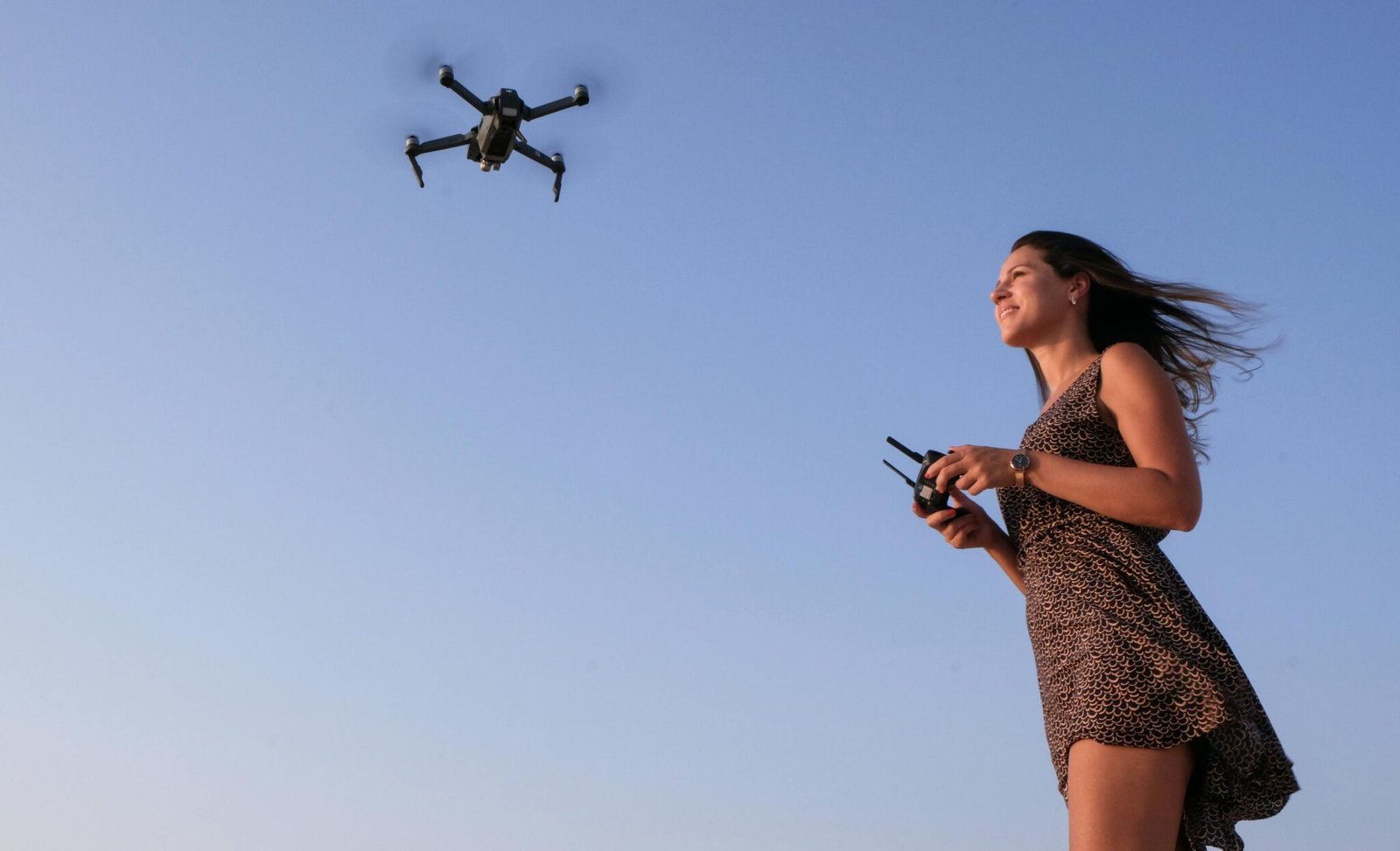




Thailand’s skies are entering a new era as the Royal Thai Air Force outlines a modernization push that blends talent with cutting-edge technology. At the Navaminda Kasatriyadhiraj Royal Thai Air Force Academy, the service chief unveiled a 2026 strategy that puts people first and platforms on a faster path to capability. The plan centers on training female pilots and expanding drone capabilities, signaling a clear shift in how the air force builds its combat and support teams. The move comes as regional security dynamics intensify and the Thai military seeks both professionalism and agility.
Recent Trends
- Gender-inclusive military training expands in Asia
- Drones become central to defense planning
- Regional air forces modernize fleets and training pipelines
RTAF female pilots in focus as drones rise
ACM Sakesan Kantha framed the 2026 strategy around professionalism, transparency, and innovation, with a bold step: opening combat pilot roles to qualified women. The Thaiger notes the push to train RTAF female pilots in the near future, a milestone that mirrors a broader push across regional militaries toward gender equality in service roles.
On drones, the RTAF is sharpening its unmanned aerial systems with updated mission deployment guidelines. Drones will play a bigger part in reconnaissance, logistics, and medical evacuation planning, and they will be used in tandem with RTAF female pilots on integrated missions. The service warns against over-reliance on automation, stressing that human judgment remains essential for complex decisions and ethics that machines cannot replicate in practice.
Border flare-ups with Cambodia have spurred a strategic rethink of the force’s white paper. Sakesan ordered an immediate reassessment to incorporate lessons learned and recalibrate defense priorities, while emphasizing transparency and accountability across the service.
Separately, the RTAF confirmed a major procurement: the Airbus A330 Multi Role Tanker Transport Plus, based on the A330neo platform. The MRTT+ will enable aerial refueling, strategic transport, and medical evacuation, extending Thailand’s reach and flexibility in regional operations.
Why it matters: For defense planners, the message is clear. A more inclusive pipeline of talent paired with smarter drones reshapes how the RTAF operates, trains, and partners with manufacturers such as Airbus. Across Southeast Asia, air forces are pushing modernization to keep pace with regional tensions and evolving threats. This alignment of people and platforms matters for suppliers, training institutions, and policy makers alike, signaling a shift in how air power is built and exercised.
Executive milestones and training pipelines
This shift creates new career paths for women in Thailand’s military aviation and requires new training pipelines that blend pilot skills with drone operations. The RTAF will need to expand flight schools, increase mentorship programs, and align with international best practices in safety and ethics.
Drone strategy and ethics
Drones offer speed, reach, and cost efficiency. Alongside capability gains, the service emphasizes responsible use, clear rules of engagement, and robust pilot oversight to prevent overdependence on automation.
Procurement and alliances
Acquisitions like the MRTT+ reflect a wider push to modernize fleets through international partnerships. For manufacturers and suppliers, the news signals steady demand for interoperable air logistic platforms in the region.
Conclusion
The Thai air force’s direction signals a broader trend: modern air power balances people and machines, while expanding talent pools and drone capabilities. If the RTAF can sustain rigorous training and ethical standards, its 2026 strategy could serve as a template for peers facing similar security challenges in Southeast Asia.

















