


Airport Drone Safety
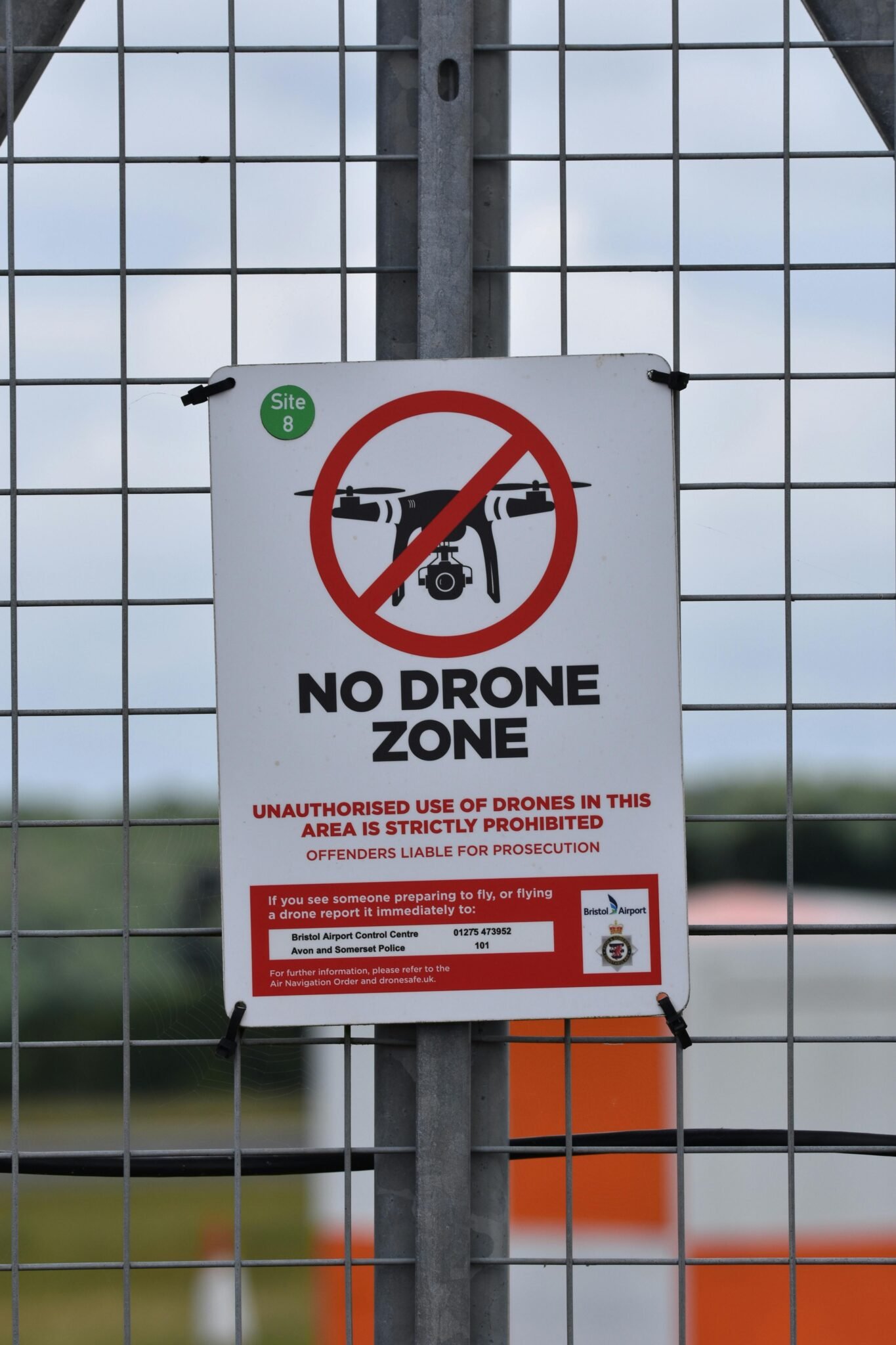
A drone intrusion at Gatwick Airport in December 2018 showed how quickly airside operations can be disrupted and how passenger confidence can take a hit. Flights were grounded for about 36 hours, and the ripple effects touched airlines, ground crews, and local economies. That high-profile disruption remains a touchstone for how airports design safety regimes today.
Recent Trends
- Increased deployment of drone detection networks at major airports
- Harmonization of drone safety standards across the US and EU
- Airports building joint operating centers for C-UAS and air traffic coordination
That watershed event helped shift focus from ad hoc responses to layered, proactive strategies. The aim is not merely to stop a rogue device but to keep airfields safe and operational while protecting people and property. Airport drone safety now blends detection, disruption, and robust procedures to minimize disruption while preserving safety and privacy.
Airports pursue a mix of detection networks, trained staff, and clear operating procedures. The challenge is not only to identify a drone in real time but to determine whether it is a nuisance or a credible risk, and to act accordingly without endangering bystanders. The ecosystem now includes vendors offering radar, electro-optical cameras, RF sensors, and data fusion platforms that map a drone s flight path across airspace. For defense planners, the message is clear: a single system seldom suffices; the best approach integrates sensors, analytics, and trained responders.
According to Marketscreener, airports and suppliers are racing to deploy integrated detection and response suites that can scale across multiple runways, terminals, and perimeter fences. This is not a one-off purchase; it requires ongoing maintenance, cybersecurity safeguards, and compliance with local laws on interference with aviation signals. The stakes are high: misidentification can trigger unnecessary disruption, while under detection can leave runways vulnerable. The industry is balancing safety with manageable costs and passenger throughput.
Core technologies and approaches
Understanding what works begins with clear definitions. Counter-UAS (C-UAS) refers to systems and procedures that deter or neutralize unauthorized drones while preserving safety. Detection is the first pillar, followed by decision making and, when needed, safe mitigation. Airports typically deploy a layered toolkit to cover different threat profiles and weather conditions.
Detection and early warning
- Radar and RF (radio frequency) sensors to locate drones beyond visual range
- Electro-optical/infrared cameras with automated tracking
- Data fusion platforms that correlate drone trajectories with airport ATC data
Effective detection reduces reaction time, which is crucial for preserving aerodrome operations and minimizing delays. For one, it helps air traffic control prioritize manned flights and keep taxiways clear while authorities assess risk. This is where the term airport drone safety becomes tangible for operators and passengers alike.
Mitigation options and rules of engagement
- Communication and coordination with air traffic control to deconflict airspace
- Safe disruption tools that prevent a drone from entering sensitive zones while minimizing collateral impact
- Return-to-home or remote-handover capabilities when lawful and appropriate
Mitigation is not a one-size-fits-all solution. Tools must be deployed with strict custodianship and clear rules to avoid creating new hazards or violating laws. A practical approach blends technology with trained operators who understand aviation safety norms and privacy considerations.
Operational readiness and SOPs
- Regular drills that involve security, operations, and maintenance teams
- Clear incident response playbooks that reduce decision latency
- Cybersecurity safeguards to protect sensor networks and data feeds
Airports also invest in staff training and public communication plans, so a disruption does not become a crisis of confidence. The goal is operational resilience: keep the airport moving while addressing the threat with transparency and speed.
Regulatory landscape and standards
National and regional rules shape how airports acquire and use detection and mitigation technologies. In the United States, the Federal Aviation Administration (FAA) has emphasized remote identification and, increasingly, risk-based enforcement that weighs safety against privacy and civil liberty concerns. The European Union follows a similar arc with the U-space framework and ongoing standards harmonization across member states. The United Kingdom’s Civil Aviation Authority, Canada’s aviation regulator, and other authorities are updating open and conditional use policies for C-UAS tools, access controls, and surveillance practices. For airports, alignment with these rules is as important as the tech itself.
Gatwick case study: lessons learned
The Gatwick disruption remains a cautionary tale about the cost of a drone incursion. It underscored the need for robust perimeter defense, cross-agency coordination, and rapid decision making to safeguard both runway operations and passenger trust. Since then, many airports have pursued joint programs with manufacturers and integrators to test detection in real-world airfield environments, improve incident logging, and refine SOPs under regulatory oversight.
For operators, the takeaway is simple: invest in a holistic airport drone safety program that combines proven sensors with disciplined procedures. The aim is not to eliminate every risk, but to reduce it to a level compatible with high-volume air travel while preserving privacy and civil liberties. This is how modern airports translate risk into safe, reliable service for travelers and communities alike.
Conclusion
Airport drone safety is more than a gadget race. It is a systems problem that blends technology, people, and policy. By combining layered detection, careful mitigation, and clear operating procedures within a supportive regulatory framework, airports can curb incursions without compromising throughput or safety. The Gatwick episode showed what happens when one uncontrolled factor spirals into a crisis; today s airports are building the defenses that prevent that scenario from repeating. For the aviation ecosystem, the path forward is practical, collaborative, and focused on protecting people, planes, and the shared goal of reliable air travel.