
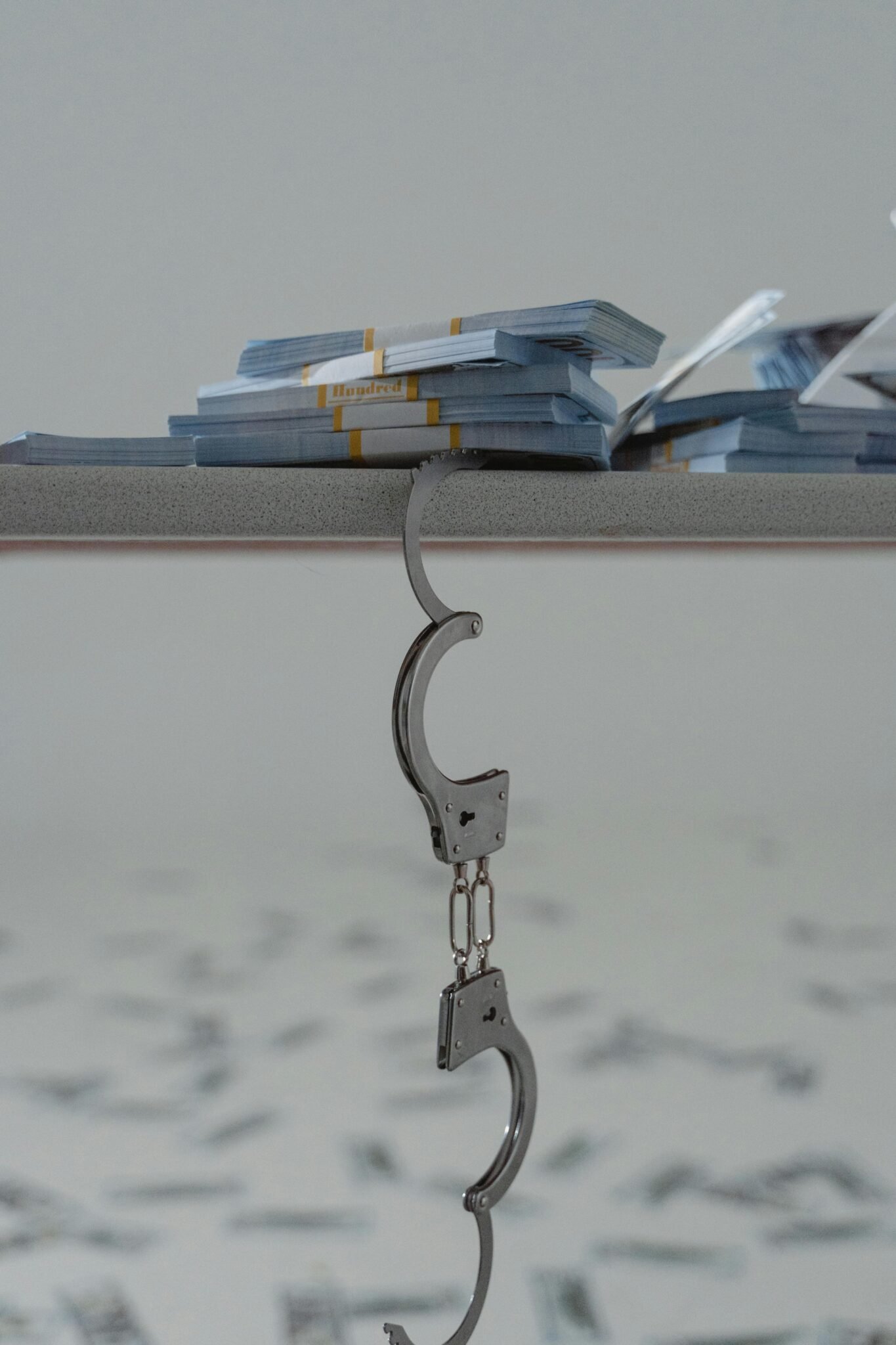




A drone can slip a drop into a closed prison under the cover of darkness, bypassing guard towers and standard alarms. In England and Wales, incursions have intensified, turning a routine security task into a daily crisis for facilities and staff.
Recent Trends
- Rising drone-led contraband reshapes prison security strategies
- Public funding rises for anti-drone tech
- Airspace controls around critical facilities tighten
Prison drone security strain
Channel 4 News reports that Ministry of Justice data show incidents rising from 138 in 2021 to 1,712 in the year to March 2025, a leap of more than 1,000 percent. In 2024, authorities rolled out 400-metre Drone Restricted Fly Zones around all closed prisons and young offender institutions in England and Wales to deter drops. The government has pledged about £40 million to harden security, including £10 million dedicated to anti-drone measures such as exterior netting and reinforced windows.
Andy Laidlaw, who left his role as deputy governor at HMP Garth in Lancashire, says the smuggling problem has become easier because drones make it hard to anticipate threats. “Drugs and other illicit items in prisons, it’s never been easier to get them in,” he says, and the reality of a fast-moving drone drop stresses a system already strapped for staff and resources. Some facilities report drone drops daily, complicating attempts to safeguard rehabilitation goals.
Chris Buckland, a recovering drug user and volunteer with Forward Trust, paints a stark picture of how gangs inside prisons exploit the drone window. Inside prison walls, they offer a menu of contraband, from phones to drugs, and even money transfers via a makeshift “Deliveroo” network. The pressure on vulnerable inmates fuels a dangerous cycle of violence and coercion.
Inside stories from the front lines
Brenda, mother of a prisoner who asked to be anonymous, recalls the night her son described a drone drop that carried 3D-printed blades and other items. She says the consequences can be brutal, including attacks that leave lasting scars. The threat extends to families outside the prison, with prisoners and gangs pressuring relatives to cooperate.
A Ministry of Justice spokesperson said the government inherited a prison system in crisis. “Drones pose a serious risk to prison security. That is why we are investing £40 million in new security measures to clamp down on the contraband that fuels violence behind bars – including £10 million on anti-drone measures such as exterior netting and reinforced windows,” they stated.
What this means for policy and practice
The trend line is clear: without robust anti-drone tech, better training, and smarter airspace controls, prisons will remain vulnerable. For defense planners and policymakers, the message is straightforward: invest now, modernize detection and response, and coordinate with private sector providers to close entry points for illicit items. For operators in the sector, the case for accessible, scalable anti-drone tools grows stronger by the day.
Conclusion
Prison drone security is not just a niche issue for jails. It intersects rehabilitation, public safety, and national security. The Channel 4 News investigation underscores a need for sustained investment and clear policy direction. As technology and criminal tactics evolve, the safest path forward is a proactive blend of enforcement, engineering, and evidence-based reform.

















